

A citizen can ask a state: “Can you cure me?” A state can be imagined as the last physician, because its policies, if harmful, can produce mass illness. Once the citizen is cured, the next question is “Can I be happy in the healthy body I inhabit?”
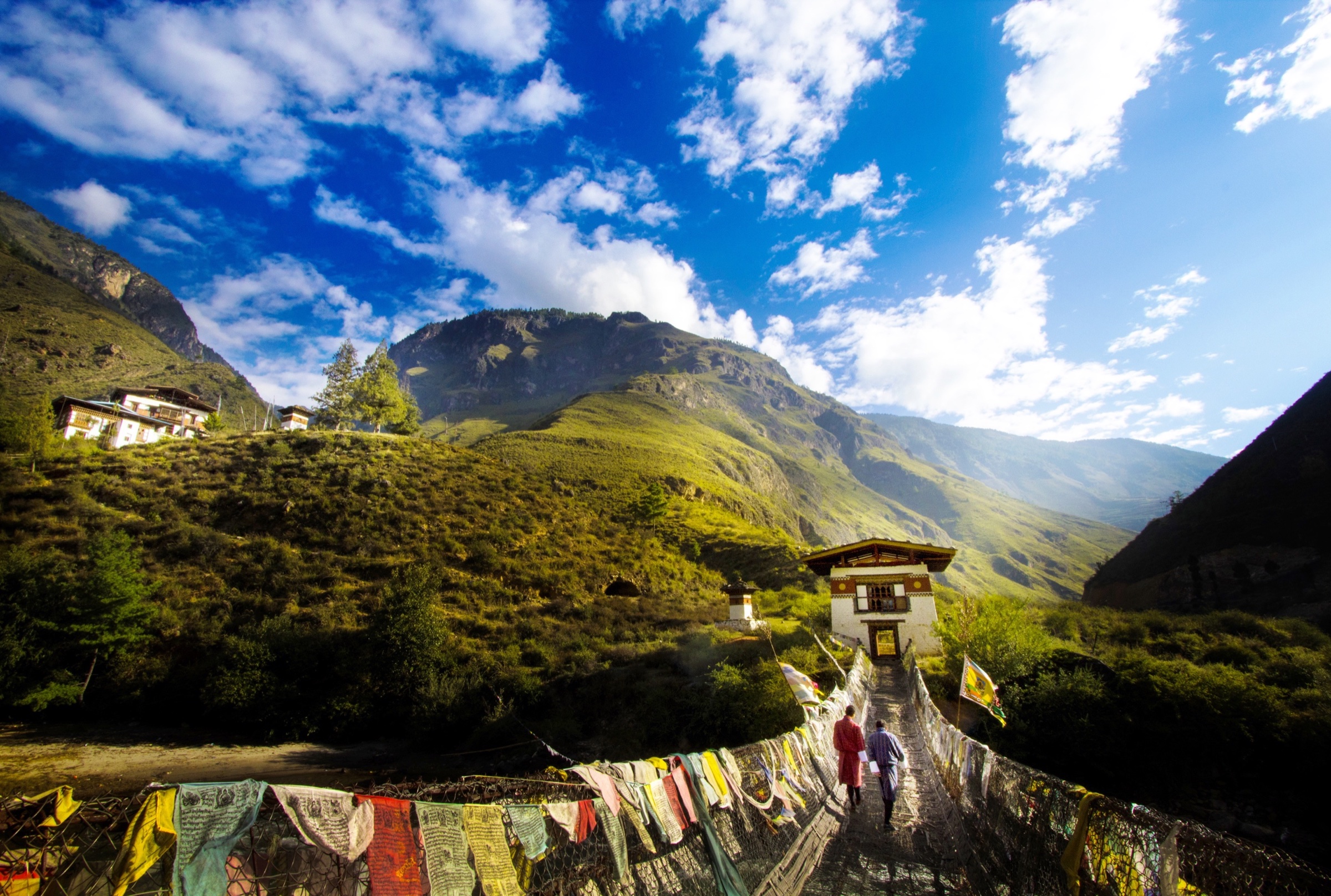
In Bhutan, the state’s effort has answered the first question successfully. In one generation, maternal mortality has fallen from 777 to 53 per 100,000 births, infant mortality from 103 to 15 per 1,000, and under-five mortality from 162 to 20. Life expectancy at birth is about 72 years. The total fertility rate has fallen from 5.6 in the mid-1990s to 2.0 in 2023, at the edge of replacement, and annual population growth is now about 1%. Health care is free and reaches the last valley. Free universal coverage remains fundamental to gross national happiness. Even a highly cultivated personal agency for good health will not succeed without free universal coverage.
But the disease frontier is moving towards the chronic diseases associated with a longer life and modernity: hypertension, cardiovascular disease, diabetes and cancer. The pattern of non-communicable diseases may also land in Bhutan. The main modifiable drivers are behavioural – what we eat, drink, smoke, how much we move and how we hold ourselves inside. Behaviour is not what medicine treats. Behaviour is what people do. That changes what a health policy must be.
It is a truism that no public hospital can pull the cigarette from your mouth. No free medicine can take the second helping from your plate. No health worker can take the walk for you. The years of life to be added will be won differently: meal by meal, glass by glass, hour by hour. On this new frontier, health is a choice and, being a choice, it is within reach.
Beyond individual choice
But here is the mistaken assumption. It is not personal behaviour alone that will overcome health risks. It is the larger ecosystem that produces the right choice among individuals. The task of a modern health policy is to strengthen the conditions under which people can, in fact, choose well, instead of making it a personal choice without those conditions.
States must also face a further challenge: how to enable a citizen to be happy in the healthy body she or he inhabits. They can take four directions.
The first is the interior life. A citizen’s emotions – calmness, contentment, compassion and generosity, and their opposites of anger, jealousy, fear and sadness – can be studied. Take, for example, the experience of feeling angry and frustrated a few times a day. At that frequency, anger is not a passing mood but a documented psychosocial risk factor for cardiovascular disease. It disturbs sleep, raises resting blood pressure and correlates with risky behaviours. A society that teaches its citizens to handle it with a certain mental repertoire, including calming meditation, has built the cheapest behavioural intervention any modern state possesses.
The second condition is community. Loneliness and low interpersonal trust are documented health risk factors. A person embedded in a social lattice of gifts, frequent contacts, social support and tension-dissolving conversations eats better, drinks less, moves more and rejuvenates psychologically. Where that lattice has been thinned by migration or by screens, no clinic can restitch it.
The third condition is the environment. About 71% of Bhutan is under forest, and that cover is not scenery but medicine: cleaner air, more walking country, moderated summer temperatures, jungle foods and the plants from which Indigenous medicine is prepared. The cost of destroying such an environment is paid later in cardiovascular disease, respiratory illness and heat-related mortality.
The fourth condition is knowledge that reaches and heals the body. Every citizen should be able to read the everyday signs of his or her own physiology. Health literacy is the shortest ladder to everyday healthiness. At a more advanced level, knowledge of mind-body relations is an art of happiness.
From healthy choices to healthy lives
These four conditions – inner life, community, environment, knowledge – do not replace universal coverage, financing or drug access. Those remain the foundation, and I do not underestimate their cost. But a political choice for health is a choice to fund not only clinics but also the greater human capacities and ecosystems that keep people out of them.
A state must now be able to answer not only “can you cure me” but “can you make a citizen happy in the body that has been cured”. A political choice for health is a choice to fund universal coverage and, on top of it, the conditions in which citizens can choose well, to be healthy and happy.