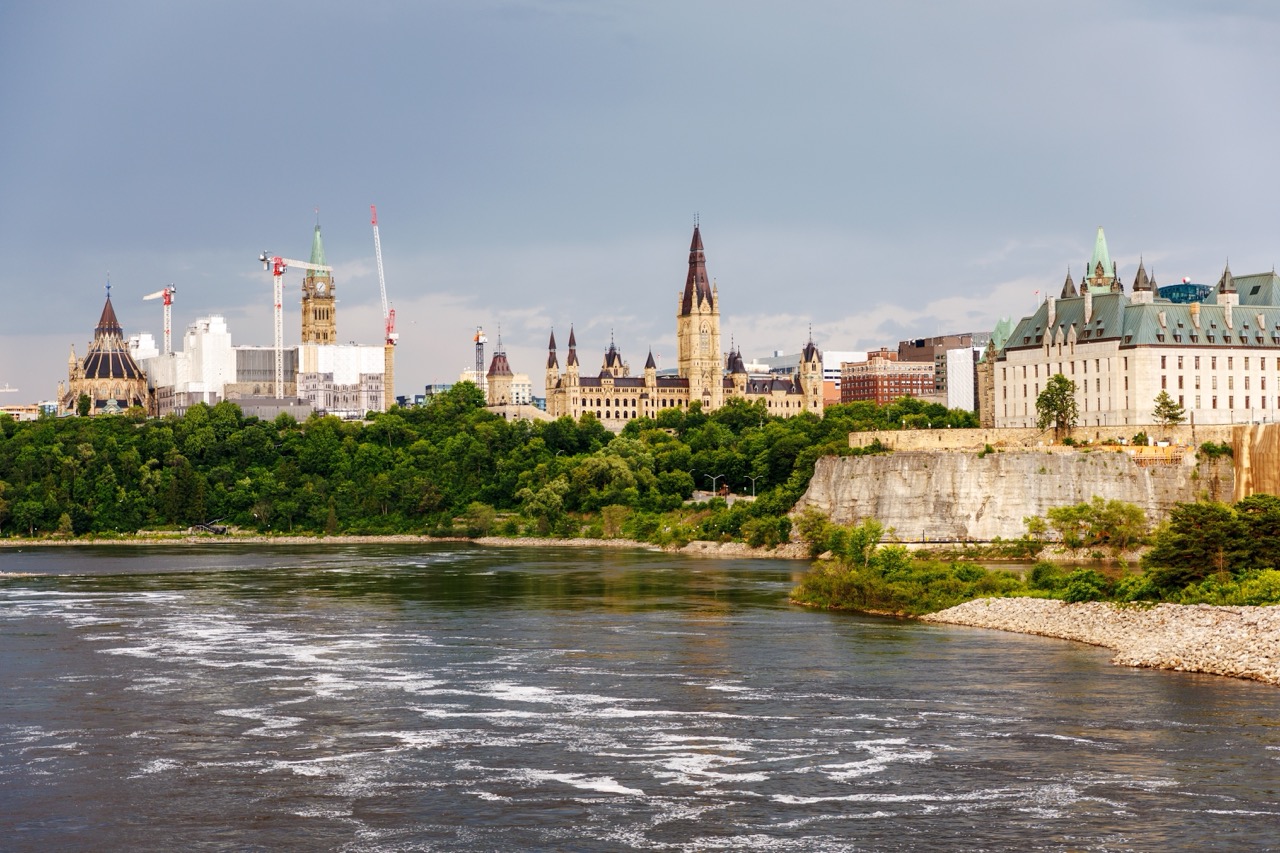


On a cold November day in Ottawa in 1986, a small conference made a large claim: that health is created “within the settings of everyday life; where people learn, work, play and love”. It sounds self-evident today. In 1986 it was a provocation. It moved health out of the exclusive domain of medicine and placed it squarely in politics, in economic choices, in urban planning, in education, in labour markets and in social policy. It declared that the prerequisites for health are peace, shelter, education, food, income, a stable ecosystem, sustainable resources, social justice and equity. And it insisted that people must be able to take control over the determinants of their own health.
Forty years on, the question is not whether we should celebrate the Ottawa Charter on Health Promotion, but whether it still holds. My answer, and the answer that runs through this publication, is that the charter is perhaps even more valid and necessary today than when it was written. What has changed is the world around it: the determinants have multiplied, the actors have become more powerful, and the political space for health has become more contested.
What the charter got right
The charter’s first great insight was that health is produced by societies, not only by health systems. Every major health challenge of our time confirms this. Non-communicable diseases, mental ill health among young people, the health effects of climate change, rising inequalities within and among countries – none of these can be addressed by treatment alone. They require what the charter called healthy public policy, which later became Health in All Policies.
Its second insight was that health is a matter of power. The Ottawa Charter spoke of enabling people to increase their control over their own health, and of the need to advocate, enable and mediate. It understood that health promotion must confront the interests that harm health, and that communities must be at the centre, not at the receiving end.
Its third insight was that health is a resource for everyday life, not the objective of living. This positive, social understanding of health anticipated today’s debates on well-being, on the well-being economy and on moving beyond gross domestic product as the measure of progress.
What the charter could not foresee
Yet the world of 2026 is not the world of 1986. Three shifts stand out.
First, the commercial determinants of health have grown in scale and sophistication. Global industries producing tobacco, alcohol and ultra-processed foods and using fossil fuels shape not only products but also policies, norms and the information environment. The charter named the need to confront harmful interests; today this has become a central task of governance.
Second, the digital transformation has created entirely new determinants of health. Platforms and algorithms now shape how people – especially children – spend their time, form relationships, perceive themselves and understand the world. The settings of everyday life have become hybrid. Health is created and lived online as much as offline, and the digital environment must be treated as a supportive environment to be governed for health.
Third, the planetary crisis has made visible what the Ottawa Charter already hinted at with its reference to a stable ecosystem: that human health depends on the health of the planet. Health promotion must now become planetary health promotion.
To this we must add a political context that is deeply challenging: fragmented multilateralism, retreating donors, polarised societies and an epistemic crisis in which trust in science and institutions is eroding. The very idea of a shared public good is under attack.
The Ottawa Charter as a vision for the future
In this situation, the charter offers not nostalgia but direction. Its logic points towards three shifts for the decades ahead.
We must move from health promotion as a programme to health promotion as a way of governing. Governing for health means aligning economic, social, environmental and digital policies with health and well-being, and holding governments and corporations accountable for their health impact.
We must move from interventions to transformations. The well-being economy, the care economy, social protection, healthy cities and just transitions are not side issues for health promotion. They are its core business. Health promotion must shape the economic and technological models of the future, not merely mitigate their harms.
We must move from dependency to sovereignty. As development assistance declines, countries and communities are rethinking how they finance and govern health. The charter’s emphasis on empowerment and community action offers a foundation for a new health sovereignty, rooted in people’s ability to shape the conditions of their own lives, and in democratic institutions that protect those conditions.
A political choice, again
Rudolf Virchow reminded us that politics is nothing but medicine on a large scale. The Ottawa Charter translated that insight into a strategy for the modern world. Its three verbs – advocate, enable, mediate – remain the best description of what health leadership requires. Advocacy must now confront powerful commercial and digital interests and defend the integrity of knowledge. Enabling must mean investing in the conditions for health, even when budgets are tight. Mediation must bridge sectors, generations and states at a time when cooperation is scarce.
The contributors to this volume, from heads of state and mayors to scientists, activists and community leaders, show that this is possible, and that it is already happening in many places. Forty years after Ottawa, health remains a political choice. The charter tells us which choice to make.