


Lithuania is a clear demonstration that comprehensive evidence-based public health policy can deliver meaningful results and public health gains. In line with the World Health Organization’s recommended ‘best buys’, in 2017 Lithuania implemented a comprehensive package of alcohol control measures. It included higher excise taxes, restrictions on availability and sales hours, a higher legal purchasing age, and limits on alcohol advertising.
Research has linked these measures to reduced alcohol consumption, hospitalisations and alcohol-attributable mortality, alongside improved life expectancy. Excise tax increases were among the most effective measures, and also helped to reduce health inequalities.
Political leadership and consistency matter
Lithuania’s experience shows that lasting public health improvements require a strong focus on policy consistency, which requires political courage in the face of influence from vested commercial interests.
The reforms that were implemented have saved lives and improved population health. Independent evaluations show that Lithuania’s alcohol control measures reduced alcohol consumption as well as related harm and mortality. The 2017 excise tax increase alone was associated with around 1,450 fewer deaths in the following year, while also strengthening public finances without increasing unrecorded alcohol consumption.
And the lesson has extended beyond alcohol policy. Lithuania’s experience shows that major public health challenges can be addressed through comprehensive, evidence-based policies and transparent dialogue with society. This applies equally to other significant challenges such as improving mental health, preventing chronic disease, and protecting children from harmful commercial and digital environments.
Health as a political priority
Among the most important political choices is to place health – including mental health – at the centre of public policy. Physical and mental health underpin economic resilience, sustainable development and social cohesion, and are shaped by decisions far beyond health care.
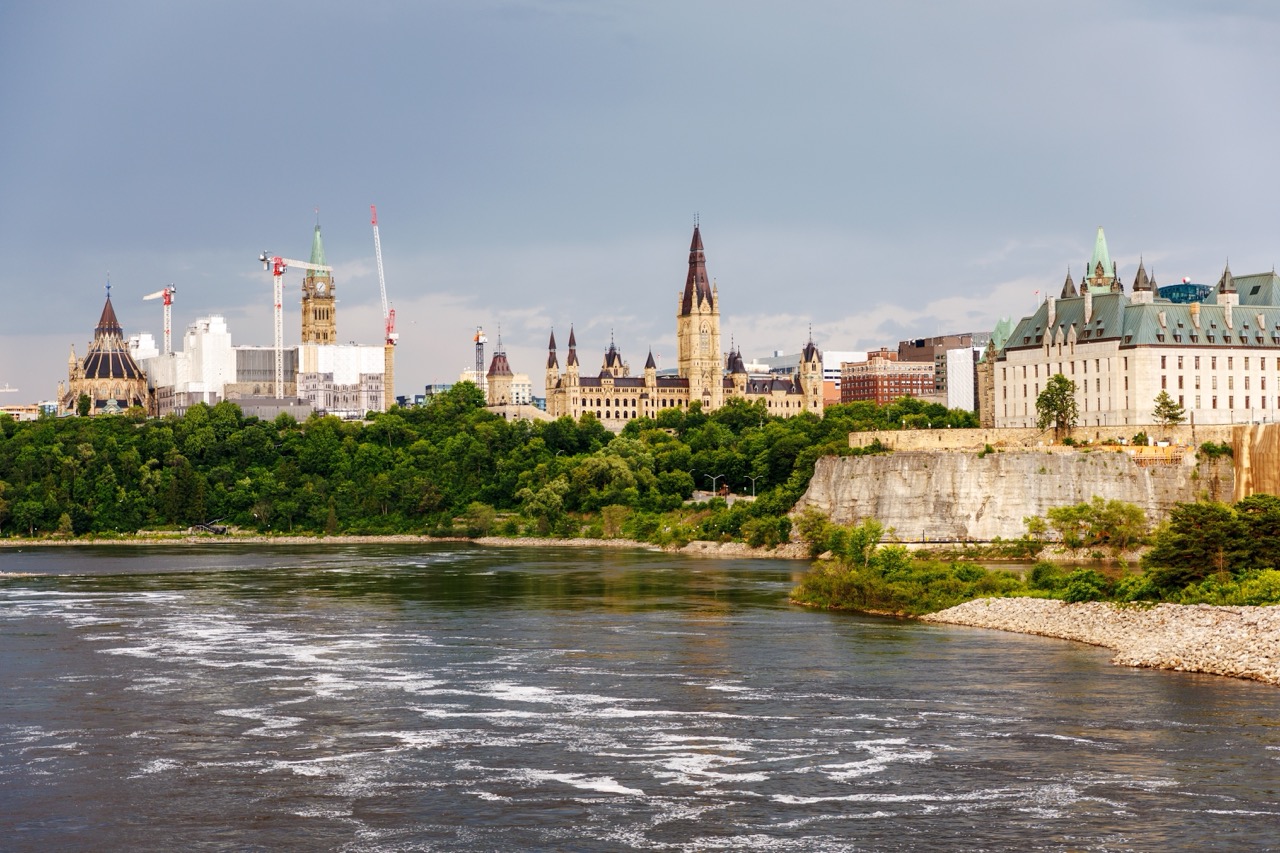
The message of the Ottawa Charter remains clear today: health is created where people live, learn, work and connect. The WHO’s Health in All Policies approach reinforces this principle – every ministry has a role in building healthier, more resilient and productive societies.
Health care is an investment in prosperity, resilience and security, not a cost.
The most sustainable health policy is to prevent disease before it occurs. Tomorrow’s health depends on today’s political choices. Investing in people’s early childhood, health literacy, vaccination, healthy environments and mental well-being and in reducing inequalities strengthens health throughout the life course and reduces future healthcare needs.
Prevention is not just health policy – it is an investment in human capital, economic resilience and healthier generations.
Health systems should create and sustain health through strong primary care, community-based services, early intervention and cross-sectoral cooperation, bringing care closer to where people live, learn and work.
Digital innovations should support prevention and access to care, while protecting children and young people from harmful online environments.
There is no health without mental health. It must be an equal pillar of public health. Improving it requires not only clinical services, but also addressing the social, economic and environmental factors that shape people’s lives.
Guided by the 21st Government Programme and WHO recommendations, Lithuania is strengthening community-based and human rights–based care, suicide prevention, accessible psychological support and cross-sectoral mental health promotion. Protecting mental health is a shared responsibility across government.
Health and national security are indivisible
The Covid-19 pandemic and Russia’s war of aggression against Ukraine have demonstrated that health security is inseparable from national security and societal resilience. Europe must therefore move from preparedness plans to operational capabilities.
This requires resilient healthcare infrastructure and a well-trained workforce, supported by regular exercises and strong capabilities for mass-casualty incidents, chemical, biological or nuclear events, medical evacuation, emergency supplies and continuity of essential services.
No country can withstand these challenges alone. Lithuania supports stronger coordination through the European Health Union, the Union Civil Protection Mechanism, rescEU and the Health Emergency Preparedness and Response Authority, ensuring that critical resources can be rapidly deployed when needed.
Europe should also take lessons from Ukraine, Israel and other countries facing prolonged security threats into preparedness policies and training.
A healthy future must also be a resilient future. Investing in health preparedness means investing in public health, security and European solidarity.
The most important political choice is to place health – including mental health – at the centre of public policy. Lithuania’s experience shows that strong leadership, prevention and evidence-based reforms can improve population health. Governments should address the wider determinants of health, build resilient and equitable health systems, and strengthen EU and global cooperation against cross-border threats. Today’s political choices determine tomorrow’s health.