

The insights articulated in the Ottawa Charter 40 years ago – that health is created where people live, learn, work and play, and that health promotion goes far beyond the health sector – are especially urgent today. Our world is hotter, more polluted and increasingly organised around cars, screens and sedentary work. If leaders want healthier, more productive populations and reduced healthcare costs, they must make physical activity a practical, safe and attractive part of daily life.
The prize is enormous. Regular activity helps prevent and manage heart disease, stroke, hypertension, diabetes and several cancers. It supports healthy weight, improves mental health and quality of life, and reduces depression and dementia. Yet one in three adults and four in five adolescents do not achieve sufficient activity. The World Health Organization estimates that as many as five million deaths could be avoided each year if people were more active. The benefits extend beyond health: active streets strengthen social connection, reduce emissions and noise, and give children greater independence, while improving productivity and local economic vitality.
Calling inactivity a ‘lifestyle choice’ obscures the political choices that shape it. People cannot walk when there are no sidewalks, cannot cycle safely beside speeding traffic, cannot play in neglected parks and cannot exercise outdoors during dangerous heat. Women and girls may face harassment in unsafe public spaces; older people and persons with disabilities encounter inaccessible infrastructure. Time poverty, insecure work and neighbourhood violence also constrain movement. Information campaigns cannot compensate for environments that make inactivity the default.
Climate change is intensifying these barriers. A 2026 Lancet Global Health study using data from 156 countries found that hotter conditions increase physical inactivity, with effects greatest in low- and middle-income countries and among women and older people. By 2050, climate-related inactivity could contribute to hundreds of thousands of additional premature deaths annually. Air pollution and extreme weather further discourage outdoor activity. Physical activity policy must therefore become climate policy – and climate adaptation must enable people to keep moving safely.
Designing movement into daily life
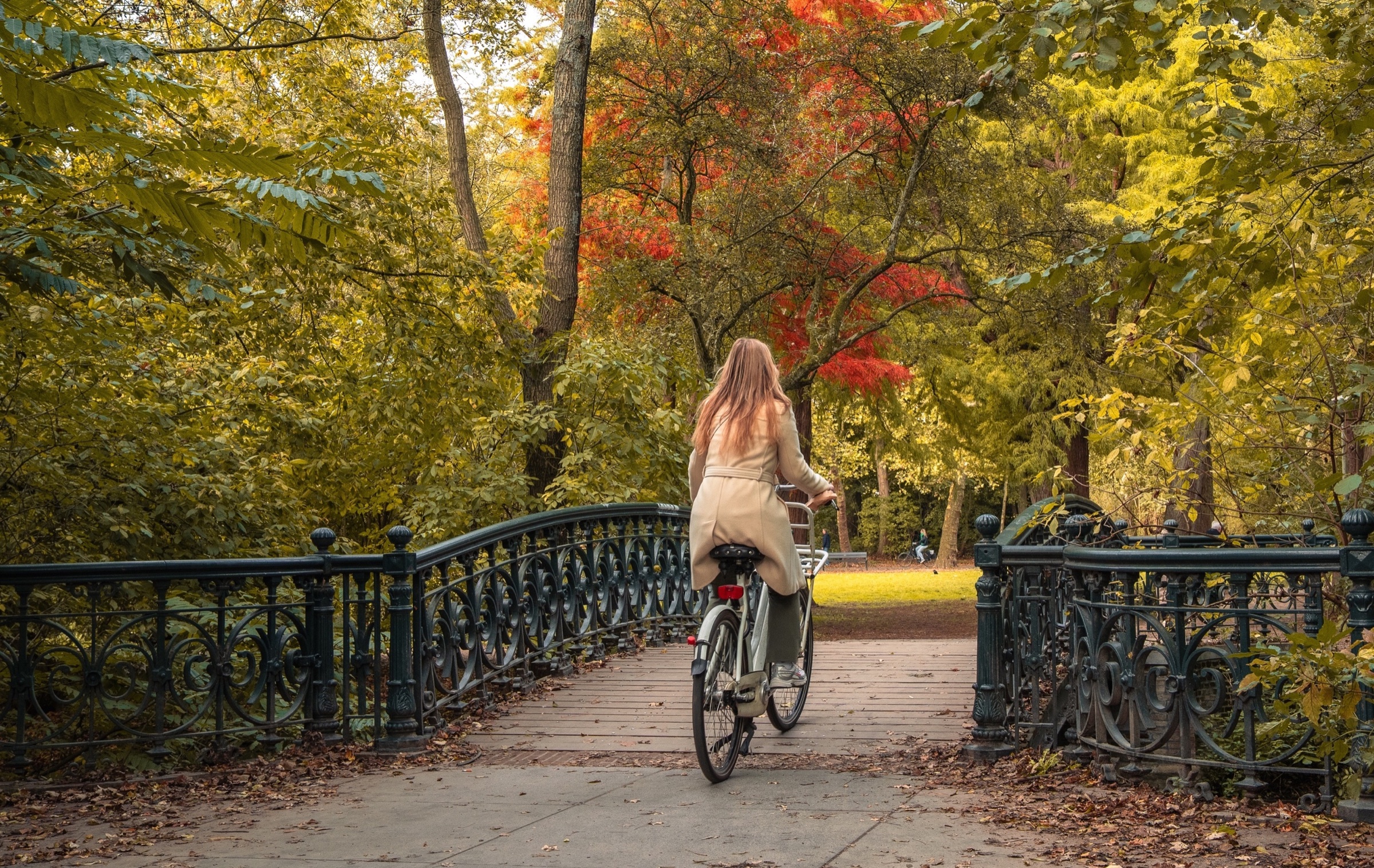
This requires a whole-of-government compact with shared targets, budgets and accountability. Health ministries should provide evidence, surveillance and clinical counselling, but do not own the solution. Transport ministries must prioritise connected, protected walking, cycling and wheeling networks, safer road speeds and reliable public transport. Urban planners and local governments should create mixed-use neighbourhoods where schools, shops, work and services are reachable without a car.
Environment and climate agencies should expand the tree canopy, shaded green corridors, parks, drinking water points and cool rest areas. These measures lower heat exposure, improve air quality and make active travel more appealing. Bogotá shows how sustained political commitment can reshape mobility through extensive cycle infrastructure, its celebrated Ciclovía – when roads are regularly opened to people – and plans integrating green corridors with sustainable transport.
Education ministries should guarantee quality daily physical education, active play, shaded school grounds and safe routes to school. Sport policy must extend beyond elite competition to affordable community programmes for all people. Labour ministries and employers should support active commuting, movement breaks, flexible schedules during extreme heat, and safe facilities for workers who walk or cycle. Finance ministries should recognise these measures as investments that reduce healthcare costs, congestion, pollution and lost productivity.
Whole-of-society engagement is equally essential. Communities must help design neighbourhood solutions, identifying where safety, heat or accessibility prevents activity. Schools, workplaces, health professionals, sport organisations, disability advocates, women’s groups and faith-based bodies can create inclusive opportunities and build demand for change. The private sector can contribute, but governments must manage conflicts of interest and ensure that commercial sponsorship does not substitute for public policy.
Reaching those most at risk
Equity must be the test. Investments should first reach low-income communities, informal settlements and groups with the least access to safe green space. Governments should publish disaggregated indicators on activity, road injuries, air quality, access and heat exposure, and should report annually on which ministries delivered their commitments.
Adaptation, however, has limits. Shade and cooling can protect activity in a warming climate, but the durable solution is a just transition away from fossil fuels. Clean energy, cleaner air, greener cities and active transport reinforce one another. The political choice is clear: design health into every street, school, workplace and budget, so that moving more becomes not an individual struggle, but an ordinary feature of a fair and healthy future.