

Why is urban air pollution a harm to children suffering from asthma, such as your daughter Ella?
We now understand that every time there was a spike in air pollution, Ella’s oxygen saturations dropped. Whenever air pollution spikes, we tend to get more asthma attacks, heart attacks and strokes. And during a heat wave when you mix ozone, air pollution and heat, it’s toxic.
Ella’s asthma started when she was six years and ten months old. Fine particulate matter (PM2.5) gets into the bloodstream, so by that age her lungs were so damaged it was probably too late. Children living in areas with lots of roads and transport tend to have breathing issues. In 2024, 120,000 children in London were admitted to hospital with breathing difficulties, and in Lewisham, where Ella lived, 8,218 children went to hospital with breathing difficulties. The UK has among the worst asthma rates in Europe: over a million children with asthma. It’s the main reason children miss school here.
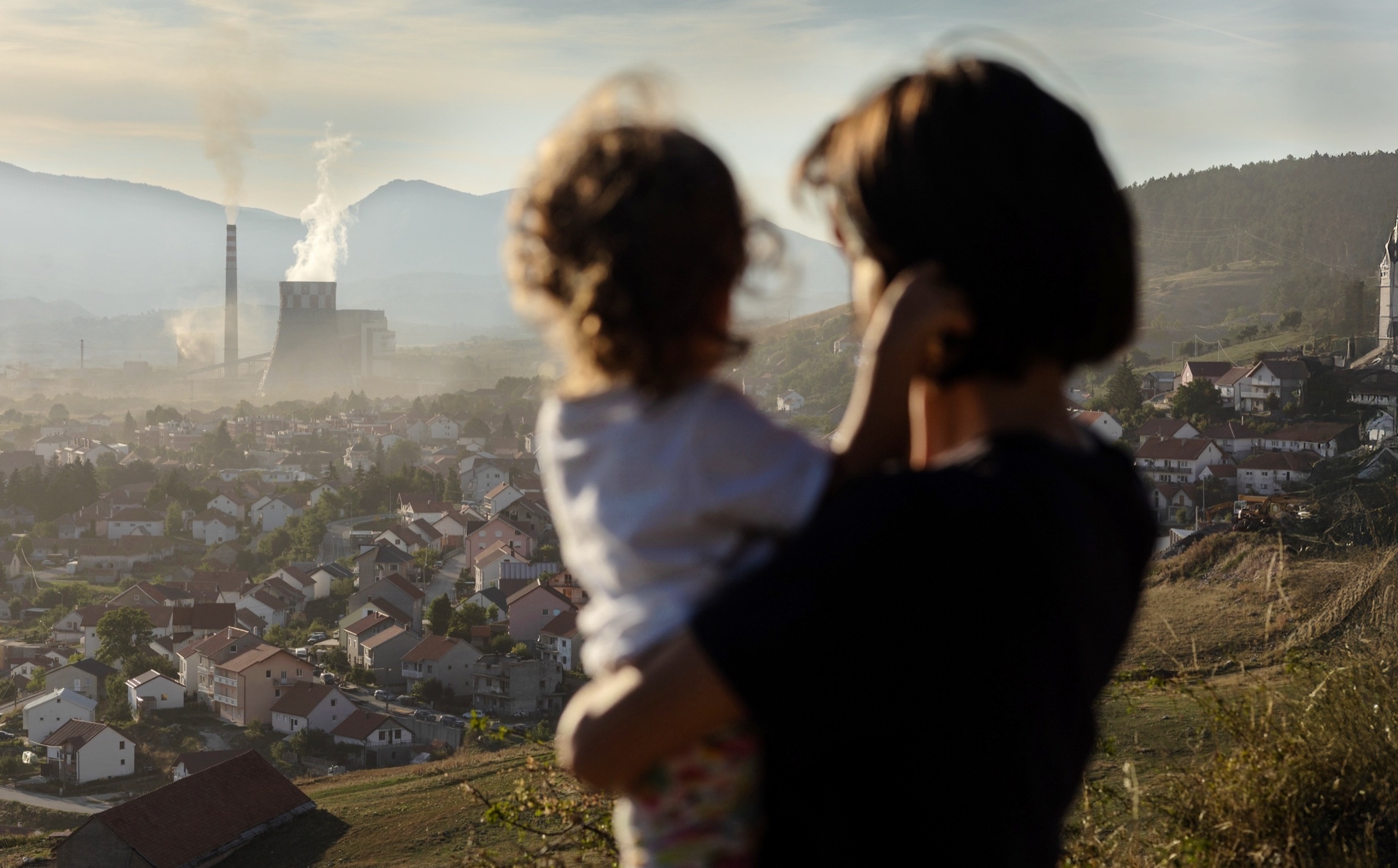
Transport is one of the biggest contributors to urban air pollution. The main source of the air pollution that killed Ella was the exhaust from vehicles on the South Circular Road, among the busiest roads in Europe.
We also have a lot of construction in cities, which generates dust and contributes to air pollution. Plus construction machinery runs on diesel. And in London, domestic wood burning is now the largest contributor of PM 2.5. These all contribute to the toxic air we breathe.
So young kids go to schools that are often on busy roads, breathe this air for six hours a day, and go home and can’t escape it. This is the same in urban areas all over the world.
Air pollution is linked to over 700 diseases – strokes, heart attacks, dementia, cancer, low sperm counts and more. The impact starts even before a child is born. PM 2.5 has been found in the placentas of pregnant women, and in the brains of people with dementia. Air pollution affects people throughout the whole life course.
What successes have you had in effecting policy change?
Ella remains the only person in the world with air pollution on her death certificate. Without her, London’s ultra-low emission zones – ULEZ – would not have been created. A recent study in The Lancet showed that children’s lung growth has improved since ULEZ was introduced.
We’re trying to get Ella’s Law – the Clean Air (Human Rights) Bill – through parliament. Breathing clean air is a human right, same as drinking clean water, and currently the UK’s ‘legal’ air quality limits are far higher than recommended by the World Health Organization. Ella’s Law would seek to align our air quality legal limits to the WHO guidelines.
Children who are poor seem to live with worse air pollution. What started off as a fight for my daughter has ended up influencing policies on inequality and health.
More people today know about air pollution and its devastating effects on human health than 13 years ago, predominantly because of Ella’s story and our campaigning.
So we’ve made some gains.
When I met King Charles during London Climate Week this year, he said he’s still trying to push the agenda. But change is incredibly slow. The air is better but it’s not where it needs to be to improve people’s health.
What political choices must be made to reduce air pollution and promote a healthier future for all?
Asthma is a lifelong condition. You can control it, but you cannot get rid of it. So we need to stop young people getting asthma in the first place.
We need governments to act. No government has told me I’ve got this wrong: they see the science and know it is real. But cleaning the air will cost a lot and is difficult. We need the political will to do what is right for people’s health.
Even going to work is a privilege. Without your health, you can’t work. The government is trying to reduce welfare costs, which have spiralled out of control. One concern is how many young people are ill and don’t work. We know there’s a link to air pollution and mental health. These are not abstract things.
I’m pushing for a public health campaign in the UK on the dangers of air pollution. If ordinary people said we would not put up with it, we might see more change. We need to get the message out so people understand it’s the air they breathe when they get up in the morning and go out their front door.
There’s a lot of misinformation. I’m not giving up, but it’s almost impossible when you’re just this tiny person. Bit by bit you have to continue to spread the message.
In London many more people cycle than ever before. If you told me five years ago it would get this far, I wouldn’t have believed you.
We don’t monitor air pollution well enough. We know that 99% of areas in the UK are in breach of the WHO guidelines. But ‘legally binding’ rules have nothing to do with health. There’s no safe level of air pollution.
One of the coroner’s recommendations after Ella’s death was for people in the medical profession to have more conversations with their patients. People trust their doctors so doctors should talk about the air pollution where their patients live and educate them about lessening their exposure to emissions.
And reducing emissions at source is where government comes in. Air pollution costs the UK economy at least £27 billion annually. With a healthier workforce you are bound to get economic growth – but not if people, especially young people, are ill.
My message is that air pollution is a public health crisis. It’s as simple as that.