

We are an independent commission, although we were convened by the World Health Organization’s Regional Office for Europe. We organized three consultations with experts and researchers to hear examples of climate action that benefited health across the pan-European region. We also heard from people with lived experiences, such as from Indigenous communities in the Arctic and people around Europe who have been experiencing droughts, wildfires or floods. And then we focused on policymakers. We talked with local communities and health leaders, and had a consultation with health ministers.
From all that, we wanted to be very concise, concrete and pragmatic. We introduced our recommendations in May in Geneva and called on different actors to react to the obvious threat to human health caused by the climate crisis.
Since then we have been organising a follow-up. Reactions have been quite positive.
Given the unprecedented summer in Europe this year, would you have changed anything?
No. We called on the WHO to formally declare climate change as a public health emergency of international concern. I think this summer shows it is not a radical idea. We are seeing lives lost, people losing homes and lost productivity. It’s threatening human health and also our societies and economies. We call on heads of state and government to bring climate change to the agenda of their national security councils or equivalent bodies. We are not exaggerating the threat.
Has anyone begun to act on the recommendations?
We got a very positive reaction to our recommendations to the broad group of health ministers in Geneva. We have also been in touch with WHO regional offices in Africa and the Western Pacific that want to do similar work in their own regions.
At the regional committee meeting of European health ministers in October, we will talk about the next steps in the process. I am also meeting with European mayors, because many recommendations involve local and community-based solutions.
We all agree that delivering reports is not enough. We want to continue to push the agenda everywhere.
What are the major climate changes harming the health of people in Iceland?
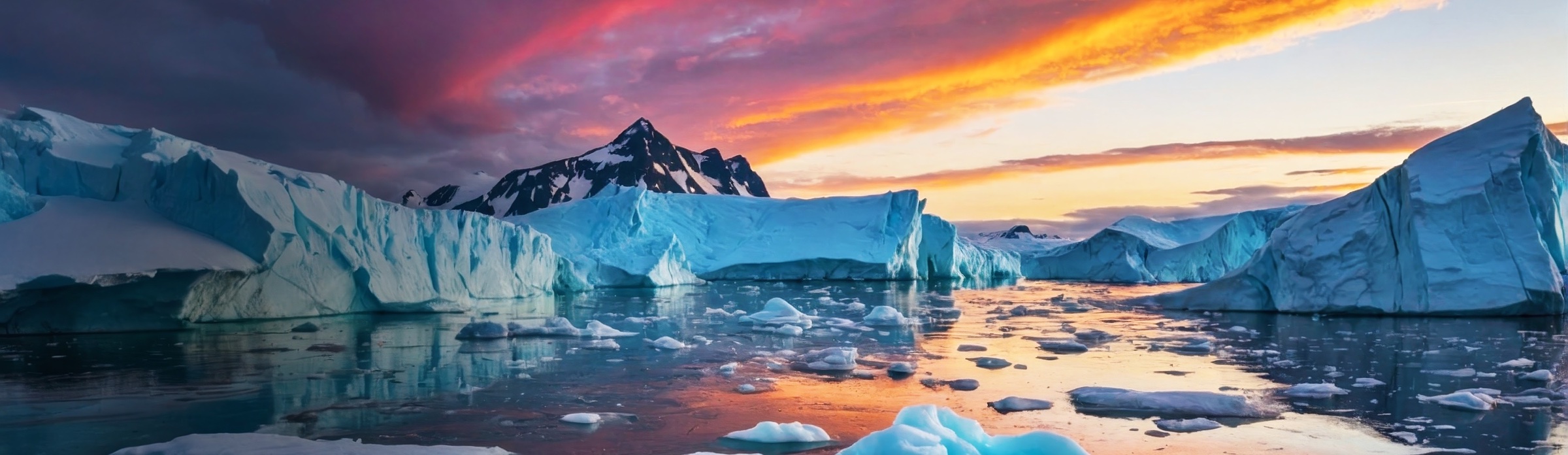
The pan-European region deals with different factors. We saw the wildfires this summer in France and Spain and many other places. In Iceland, in the Arctic, we’re close to the melting ice: rising sea levels and changes in the ecosystem are happening faster here than anywhere else in the world, for example threatening our fishing grounds. We will see more extreme weather, and different infectious diseases from insects and ticks that travel differently because of changing weather. Last summer we met the first mosquito ever in Iceland!
What tasks and challenges remain?
We have specific recommendations addressing the connection between climate and health systems. The increased health burden because of the climate crisis this past summer is a very good example. How do we educate our health professionals? Are we educating them enough on the effects of climate change? Are our systems resilient enough to deal with the effects of the climate crisis? And can we reduce the huge emissions produced by the health systems?
We have some great examples where leaders within the health systems are already doing this. The tools are there. We just need to start using them.
But the biggest challenge involves our recommendations to reform economic, financial and regulatory systems. This is very slow-moving. We need to scale up climate and health investment. In 2023, €444 billion was spent on fossil fuel subsidies across the Pan-European region – we can redirect those to invest in climate and health action. And we need to look at the regulatory framework. This is why we raise the flag and say this is a security issue.
What are the key political choices that must be made?
It’s always difficult to move finances from this to that, we all know that a lot of people will be annoyed! But we need courageous decisions to go beyond increasing gross domestic product, to reallocate subsidies, to act differently when it comes to energy, and to invest in beneficial climate and health action. Public expenditure is not increasing, except for security and defence. Yet if you want to think about security, you need to think about climate and health investment. That’s about keeping our people safe, retaining our social cohesion and protecting human rights. It’s a matter of health, and a matter of life and death.
Even though there are wars and conflicts and new technologies changing everything, the climate crisis is still there and we’re not taking enough action to deal with it. Thereby we are creating new threats.
In Iceland we implemented legislation that legally binds Iceland to become carbon neutral by 2040. That’s something we should all think about, not least when the International Court of Justice has given an advisory opinion that states of the world have binding legal obligations under international law to protect the climate system and curb greenhouse gas emissions.