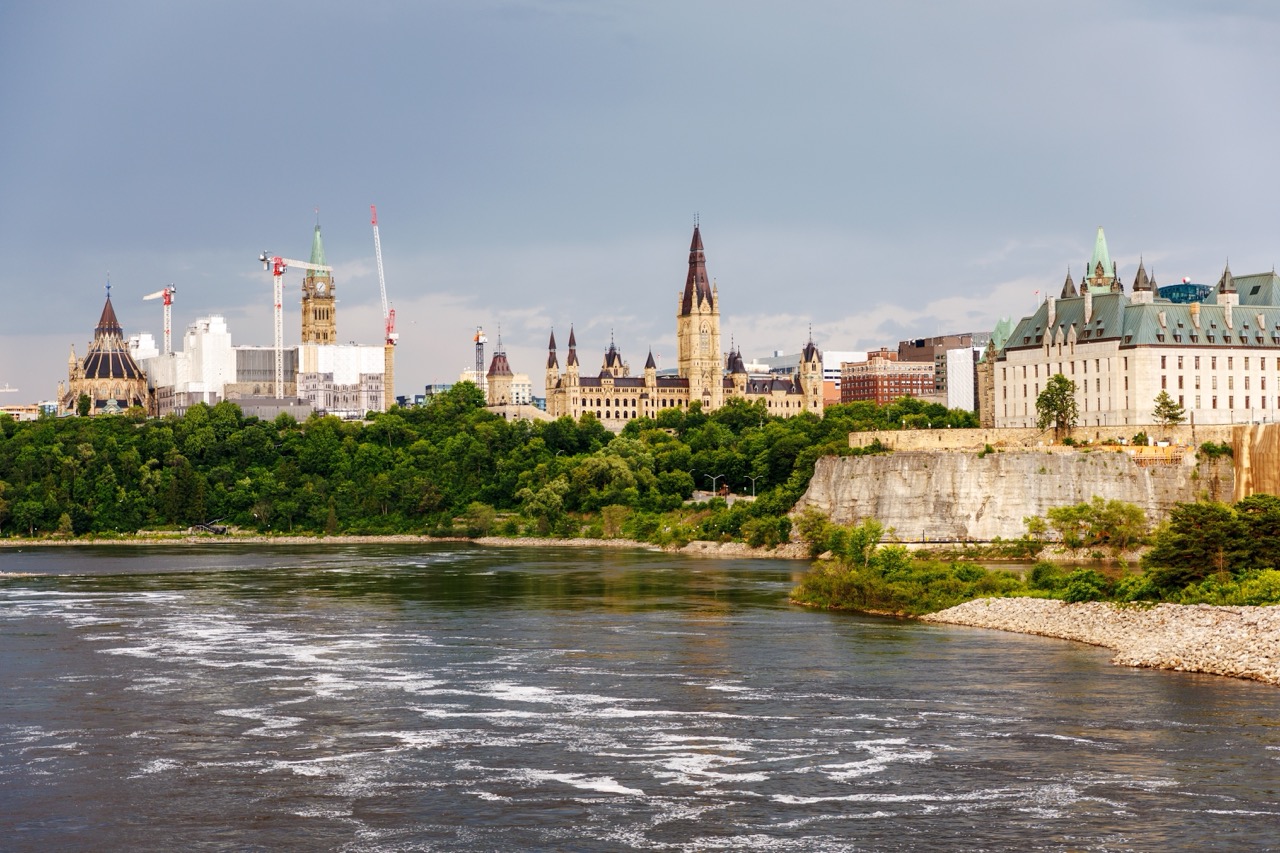



In 1986, the Ottawa Charter for Health Promotion identified shelter as a fundamental prerequisite for health and asked for concrete actions to reorient healthcare services towards preventing illness and promoting health. The charter’s declaration that “improvement in health requires a secure foundation” was transformative, especially as it recognised the socio-economic and environmental determinants of health.
Today, this insightful approach remains highly relevant and actions in this direction have become even more urgent. More than half the world’s population already lives in urban areas, a share approaching 70% by mid-century, and much of the housing and infrastructure needed to accommodate this growth has yet to be built. This creates a critical, narrowing opportunity to shape how billions of people will live for generations.Alongside this transition, we are living through an extraordinary global housing crisis: up to 3.4 billion people are affected by housing inadequacy. More than one billion people live in informal settlements and slums, often without adequate water, sanitation and other essential services, while millions more face homelessness, overcrowding, insecure tenure or housing costs that consume an unsustainable share of household income, exacerbating health challenges. Non-communicable diseases cause around three-quarters of deaths worldwide, and infectious diseases persist in many underserved communities. Inadequate housing drives both.Where housing and health convergeThe conditions in which we live fundamentally shape our health and well-being. This understanding has brought UN-Habitat and the World Health Organization together over many years. UN-Habitat contributed to the WHO Housing and Health Guidelines, which provide substantial evidence demonstrating the multiple pathways through which inadequate housing can harm health. Crowding increases exposure to infectious diseases. Poor indoor air quality and exposure to pollutants contribute to respiratory and other illnesses. Inadequate thermal conditions expose residents to the health risks associated with both excessive cold and heat. Unsafe or inaccessible homes increase risks of injury, isolation and dependence, particularly for older people and people with disabilities. These interconnected risks make improving housing conditions an important public health intervention, especially because people spend much of their lives at home – growing, caring, working and ageing.But the relationship goes much further. City and neighbourhood planning, housing insecurity, unaffordability and homelessness generate profound and persistent stress. The UN Secretary-General’s 2025 report on homelessness highlights this two-way relationship between inadequate housing and homelessness and physical and mental health: illness, disability and psychosocial distress can increase the risk of housing loss and make homelessness more difficult to escape. And location determines access to clean air, safe drinking water and sanitation, green and public spaces, employment, education, health care and social networks. Evidence consistently associates housing instability – even the anticipation of losing a home – with poorer mental health. In the densest informal settlements, heat and disease burdens can become chronic, with indoor temperatures remaining dangerously high day and night.Housing is where many health determinants converge. Moreover, housing is a place for health, safety, care, culture and belonging. A healthy home in an unhealthy neighbourhood is not enough.Bringing health into urban policyWe must move beyond treating housing, health, transport, climate and urban planning as separate policy domains. The 2025 World Summit for Social Development’s Doha Political Declaration recognises adequate, safe and affordable housing and physical and mental health as interconnected foundations of well-being. The 2026 midterm review of the New Urban Agenda further reinforced adequate housing, land and basic services as foundations for reducing inequality, strengthening resilience, and advancing inclusive and sustainable development – priorities at the heart of UN-Habitat’s Strategic Plan 2026–2029.Climate change exposes the connection. People living in poorly constructed homes or informal settlements, often with limited green cover, inadequate infrastructure or unreliable water and electricity, face disproportionate exposure to extreme heat and other climate risks. Yet housing can also be a first line of defence against climate vulnerability. Climate-responsive design, adequate ventilation and thermal performance, nature-based solutions and neighbourhood green space can simultaneously reduce health risks, strengthen resilience and lower environmental impacts.The health community must therefore become more active in housing and urban policy – from the design of national housing strategies and urban plans to building standards and public investment decisions. These should more systematically reflect evidence on air quality, thermal comfort, ventilation, accessibility and other determinants of health.Through the Global Report on Urban Health and the joint UN-Habitat–WHO initiative Healthy Cities and Thriving Communities, UN-Habitat advances an approach that recognises that health is shaped by health care and by how cities and neighbourhoods are planned, built and managed. This collaboration has also produced important normative guidance, including the 2020 UN-Habitat–WHO sourcebook, Integrating Health in Urban and Territorial Planning, which provides practical guidance for integrating health considerations into planning and development.The Ottawa Charter helped change our understanding of health by looking beyond healthcare systems towards the conditions that allow people to live healthy lives. The housing-health agenda has evolved in the same direction. Although the focus on sanitation, crowding, ventilation and disease remains essential, we now understand that housing also shapes mental health, social inclusion, healthy ageing, climate resilience and access to opportunity – and that the ability to afford a secure home is itself increasingly a determinant of health.This broader understanding demands action. If health is created where people live their lives, then our homes, streets and neighbourhoods are part of our health systems and infrastructure. The renewed commitment in the 2026 mid-term review of the New Urban Agenda is an opportunity to act on that understanding, by placing adequate housing at the centre of how we plan cities, invest public resources and advance health and well-being.Making adequate housing available to all is not only an urban policy choice or a social policy choice.It is a choice for health.