


Last year was one of the most difficult in recent memory for global health. Sudden and severe reductions in international health financing have created enormous challenges for countries and health institutions alike.
While the funding landscape has changed, the challenges have not. In every country, the burden of non-communicable diseases continues to rise, climate change is affecting health in increasingly visible ways, and many countries are struggling with the combined pressures of ageing populations, urbanisation and persistent inequalities.
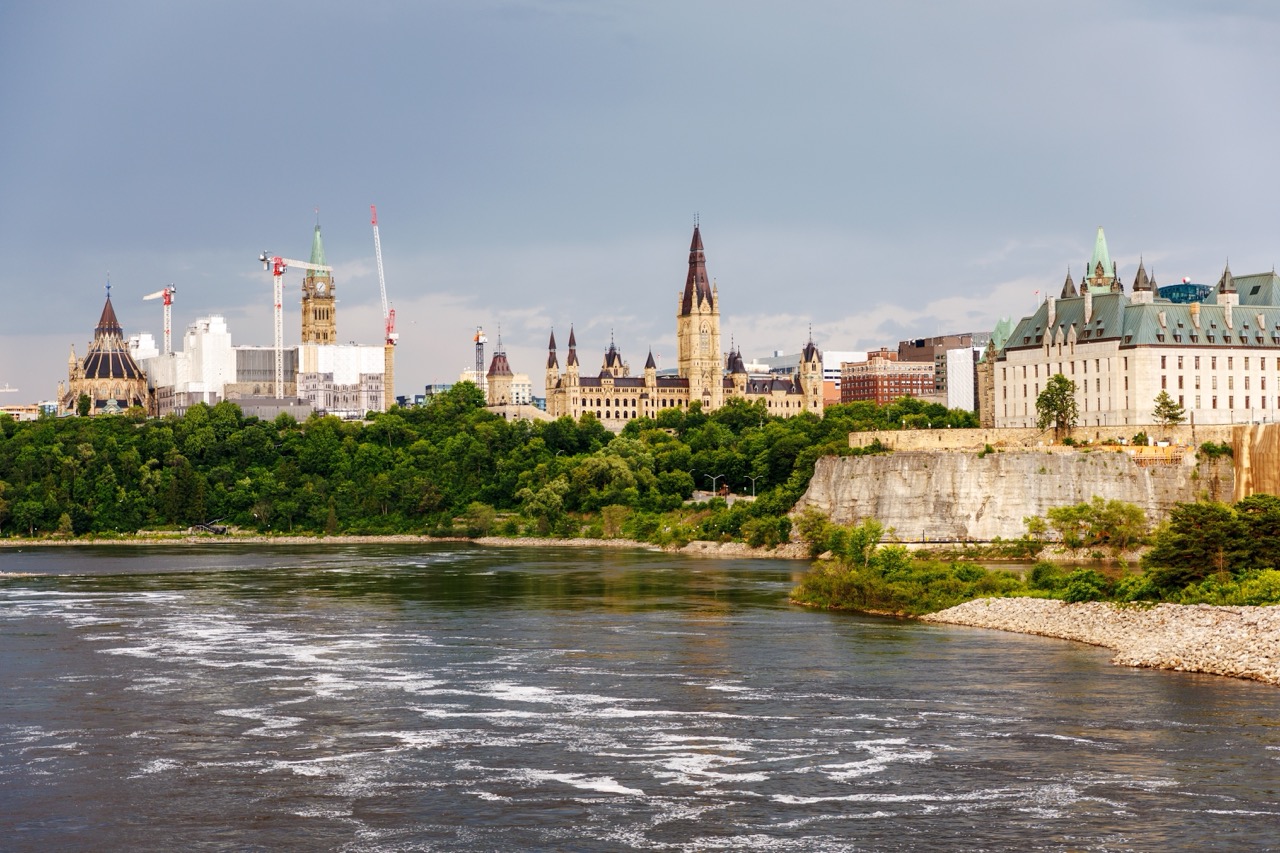
In this challenging environment, governments face difficult choices about where to invest limited resources. As we mark the 40th anniversary of the Ottawa Charter for Health Promotion, those choices should remind us of a lesson that is just as relevant today as it was in 1986: promoting health and preventing disease are among the best investments any country can make.
The Ottawa Charter recognised that health is shaped not only by the quality of health services, but by the conditions in which people are born, grow, live, work and age. It called for action far beyond the health sector, recognising that education, housing, employment, transport, food systems, the environment and social protection all influence health outcomes. It argued that the responsibility for health extends across all areas of government and society. Four decades later, that insight remains profoundly relevant.
Today, every country is grappling with the consequences of preventable disease. Non-communicable diseases, including cardiovascular diseases, cancer, diabetes and chronic respiratory diseases, account for most deaths globally. Mental health conditions are increasing. The health impacts of climate change are becoming more apparent. At the same time, treatment costs continue to rise, placing growing pressure on health systems and public finances.
Prevention as an investment
For this reason, health promotion must be viewed not as a cost, but as an investment.
Investments in prevention deliver returns that extend far beyond the health sector. Healthier populations are more productive, more resilient and better able to contribute to economic and social development. Children learn better when they are healthy. Adults participate more fully in the workforce. Communities are better able to withstand shocks, whether from disease outbreaks, environmental disasters or economic disruption.
The evidence is clear: it is both more effective and more affordable to prevent disease than to treat it after it occurs.
Health promotion is not simply about encouraging healthier individual choices. It is about creating environments in which healthy choices become easier choices. It means designing cities that encourage physical activity. It means ensuring access to nutritious food. It means reducing exposure to tobacco, harmful use of alcohol and unhealthy products. It means improving air quality, protecting the environment and strengthening social conditions that support health and well-being.
Fiscal policy can play an important role in these efforts.
Health taxes on tobacco, alcohol and sugary drinks are among the most effective tools available to governments. They help reduce consumption of products that contribute to disease while generating revenue that can be invested in health and development priorities. At a time when many countries are seeking to strengthen domestic resource mobilisation and reduce dependency on external financing, health taxes offer an opportunity to improve health outcomes and public finances simultaneously.
Health beyond the health sector
The future of health promotion also requires stronger action on the wider determinants of health. The challenges we face today cannot be solved by ministries of health acting alone. They demand collaboration across sectors and across society. Health considerations must be incorporated into decisions on trade, agriculture, education, climate, urban planning and economic policy. A whole-of-government and whole-of-society approach is essential.
Increasingly, it also requires a One Health approach that recognises the close connections between the health of people, animals and the environment. The emergence of infectious diseases, the impacts of climate change, food security and environmental degradation all demonstrate that human health cannot be separated from the health of the ecosystems on which we depend.
The central message of the Ottawa Charter was that health is created where people live their daily lives. Forty years later, that message remains one of the most important principles in public health.
The future of health will not be determined mainly in hospitals and clinics. It will be determined in schools and workplaces, in city councils and parliaments, in transport systems and food markets, and in the policies that governments choose to pursue.
At a time of financial constraint and growing health challenges, countries cannot afford to focus only on treating disease. They must invest in preventing it.
Promoting health is not a luxury for times of prosperity. It is the foundation of healthier populations, stronger economies and more resilient societies. Forty years after the Ottawa Charter, it remains one of the smartest choices governments can make for the future.