The escalating global burden of non-communicable diseases, including obesity, type 2 diabetes and cardiovascular conditions, represents one of the most significant challenges to modern public health. Compelling evidence demonstrates that a primary driver of this crisis is the rapid displacement of long-established, traditional dietary patterns by ultra-processed foods, including sugar-sweetened beverages. These products, defined by the Nova classification system, are not merely ‘processed’ but are industrial formulations of cheap ingredients designed for hyper-palatability and profit maximisation. Globally, this transition has resulted in gross nutrient imbalances, overeating and the ingestion of harmful additives, fundamentally altering the human food matrix.
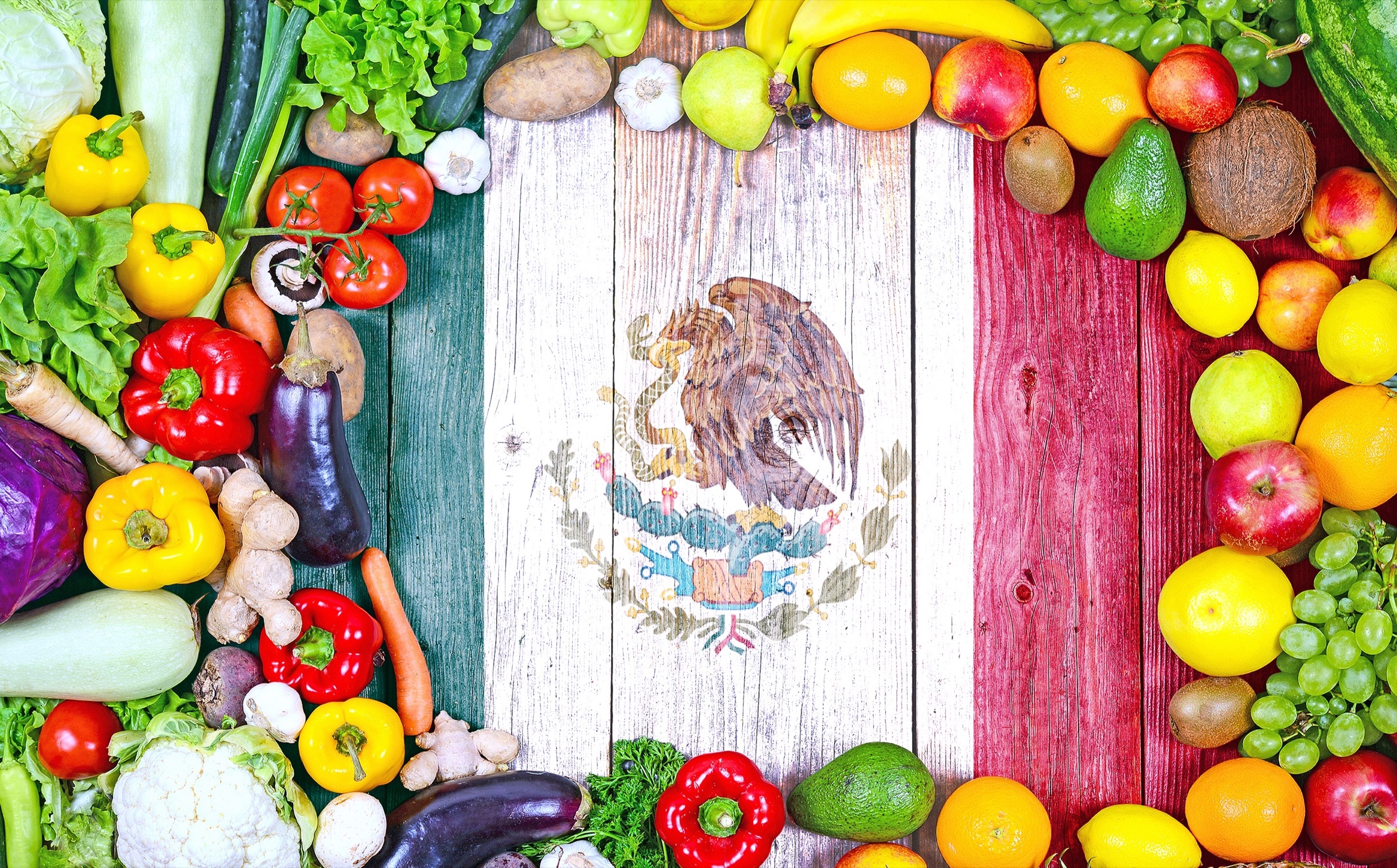
Mexico at the epicentre of the epidemicHistorically, Mexico has one of the highest documented burdens of disease associated with these products, consistently ranking among the largest consumers of sugar-sweetened beverages globally and ultra-processed foods in Latin America. In Mexico, sugar-sweetened beverages alone represent approximately 10% of total daily energy intake and account for 70% of all added sugars in the diet. This epidemiological transition was fuelled by aggressive marketing and free trade agreements that transformed the food environment at the expense of traditional diets. By 2018, adult obesity prevalence reached 36.1%, with over 75% of the population living with being overweight or obese.Two decades of evidence-based actionAddressing this crisis required a shift in perspective to view obesity not as a failure of individual willpower but as a result of the commercial determinants of health. For over 20 years, a unified coalition of academics, civil society organisations and public interest actors has worked intensively to implement structural obesity prevention policies.After a decade of coordinated efforts, Mexico achieved a major milestone in 2014 with the implementation of a 10% excise tax on sugar-sweetened beverages and an 8% tax on non-essential energy-dense foods. Building on this momentum, the government approved a mandatory front-of-pack warning label system in 2020. These black octagonal labels provide clear, non-quantitative information on excessive calories, sodium, trans-fats and sugars, significantly outperforming previous industry-led models in consumer understanding, such as guideline daily amounts. Simultaneously, the use of characters, celebrities and animation to promote these products to children was prohibited. Most recently, Mexico enacted laws banning the sale and promotion of ultra-processed foods in schools and released its 2023 Healthy and Sustainable Dietary Guidelines, which promote a return to local, fresh and minimally processed foods while actively discouraging consumption of ultra-processed foods.Encouraging results and the defence of public interestThe impact of these efforts is now being rigorously documented. Evaluation studies show sustained reductions in the purchase of taxed products and high levels of public support for warning labels. Crucially, the implementation of front-of-pack labels has triggered immediate and significant product reformulation by the food industry, leading to substantial reductions in sodium, saturated fats and the use of non-caloric sweeteners across multiple food categories. Perhaps most significantly, current trends suggest a stabilisation in adult obesity prevalence: for the first time in decades, no significant increases have been observed in the last 10 years.However, the success of these policies remains under constant threat from corporate political activities. The ultra-processed food industry has utilised lobbying, direct litigation – including at least 50 legal injunctions against labelling – and the manufacturing of scientific doubt to weaken regulation.A call for unified global actionTo ensure these gains are not lost, we must not only defend existing policies but also rapidly neutralise emerging corporate strategies. The industry is increasingly using digital marketing, influencers and artificial intelligence to personalise promotions and target vulnerable populations, particularly children in developing countries. Mexico’s experience demonstrates that health is indeed a political choice. To promote a healthy future, countries must move beyond voluntary industry agreements and adopt a rights-based, whole-systems approach anchored in law. Globally, we must unify to rebalance the disproportionate political and economic power of transnational corporations. By protecting the right to adequate food, implementing robust conflict-of-interest safeguards and reclaiming food sovereignty, we can ensure that the public interest, and the health of future generations, prevails over corporate profit.