


On the G7’s 50th anniversary, leaders must find common ground and adopt new approaches to tackle migration crimes, including migrant smuggling and human trafficking, alongside strategies to address the criminality that underpins this destructive global phenomenon. These polycrimes leverage other crimes such as corruption and transshipment routes used for other types of trafficking (of wildlife, drugs and arms) by foot, road, rail and boat. As trade wars lead to greater economic uncertainty and hyperinflation, as conflicts flare, as digitalisation makes it easier to connect traffickers, victims and consumers to content generated by human traffickers, and as climate disasters drive mass movement and displacement of persons, the numbers of people at risk and associated profit margins will continue to climb. The Kananaskis Summit offers an opportunity to address the root causes of illegal migration, as the Canadian G7 presidency looks to advance meaningful dialogue on international peace and security, global economic stability and growth, and the digital transition.
An escalating global crisis
Today, more people are trafficked and in forced labour than ever recorded before. Victims are often undocumented, afraid and at risk of violence or torture if they speak out. Migrant smuggling and human trafficking remain a profitable business, with forced labour alone generating $236 billion per year, affecting up to 50 million people. According to the United Nations Office on Drugs and Crime, this includes 25% more victims than before the Covid-19 pandemic, 38% more trafficked children and 42% more people trafficked for forced labour, including forced criminality in fraud and scam centres, and 36% more for sexual exploitation. Women and girls account for 92% of persons trafficked for sexual exploitation. Most traffickers are men (70%) operating “within business or governance-type organized crime groups”. Africa is a major source and destination of all cross-border human trafficking flows, with children making up 61% of victims trafficked within the continent to work, including in mines to extract natural resources or become child soldiers.
The G7 has addressed migrant smuggling and human trafficking periodically, often focusing on tackling organised crime networks. Since 1998, leaders have made commitments to act against the trafficking and smuggling of migrants, especially women and children, and protect victims. They have committed to introduce legislation, enhance cooperation and provide technical support to countries facing the destabilising effects of human trafficking. They have pledged to work with international and regional organisations and countries to strengthen border security.
They have also promised to increase cooperation between origin, transit
and destination countries, raise concerns about human trafficking in conflict-riddled countries such as Libya, increase law enforcement collaboration and strengthen border controls. More recently, they have pledged to strengthen action to affect the supply chain of transnational human trafficking networks. In 2024, leaders committed to disrupt the business models and dismantled organised criminal networks that profit from migrant smuggling and human trafficking.
Driving coordinated action
Migration crimes remain a major policy issue, with G7 members facing domestic pressure. Although the G7 has made major strides in elevating this topic on the global agenda, more remains to be done. First, G7 members must commit to tackling migrant smuggling, human trafficking and other migration crimes while upholding tenets of the UN Charter for human rights. They should also commit to:
- Encourage the Financial Action Task Force and FATF-Style Regional Bodies to develop a human trafficking and migrant smuggling typologies report;
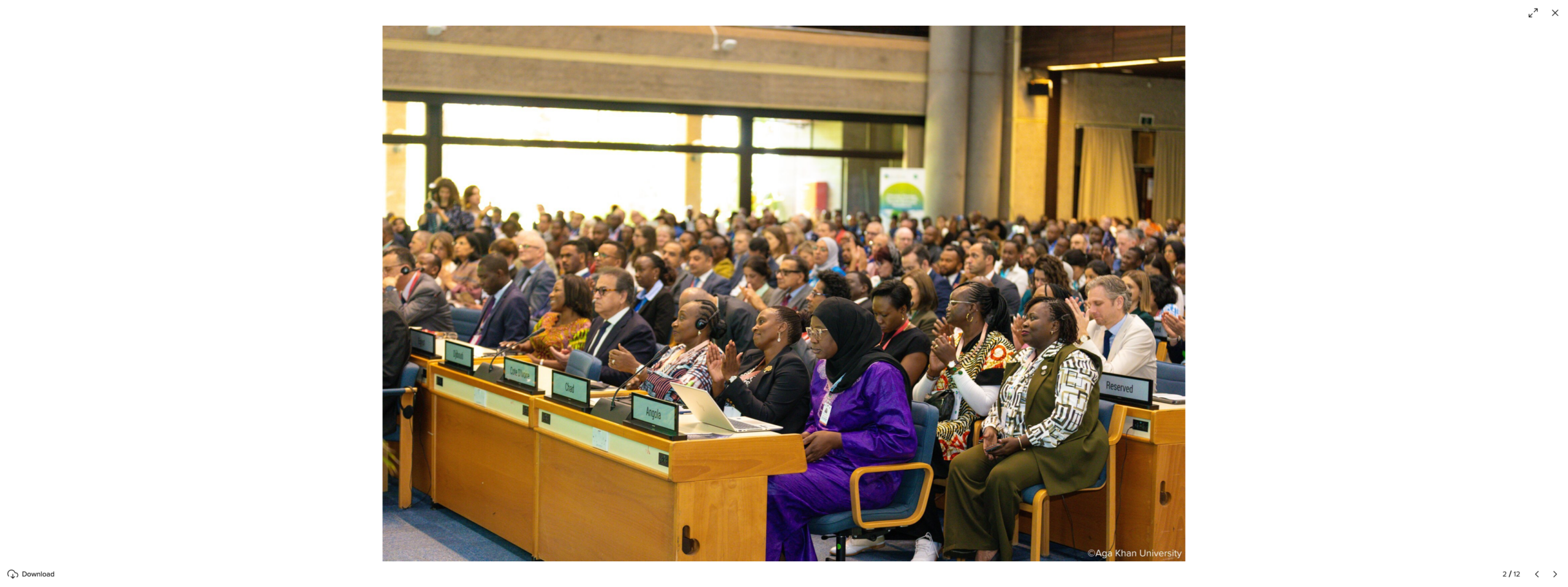
- Work with African counterparts and adopt a multistakeholder approach to disrupt trafficking routes and create programmes to strengthen literacy and education programmes, and to rehabilitate victims, particularly children and women;
- Expand criminal justice efforts beyond sexual exploitation to include child labour and adopt credible deterrence measures;
- Leverage public-private partnerships to promote cross-border and private sector intelligence and evidence sharing, including with big tech and telecoms companies, focused on suspected migrant smuggling and human trafficking to disrupt associated fund flows;
- Work with technology, social media and telecoms companies to disrupt communications channels used by migrant smugglers and human traffickers, and to block promotional channels and remove illegal content online;
- Call on all payment processors to build migrant smuggling and human trafficking into their business and customer risk assessments and apply customer due diligence procedures that better identify vulnerable individuals and monitor account activity for indicators of migrant smuggling and human trafficking;
- Require banks to conduct supply chain due diligence and product due diligence and work with clients in industries and countries at high risk of human trafficking and modern slavery to enhance supply chain traceability
measures; - Call for the criminalisation of migrant smuggling and human trafficking, and support the civil seizure of assets, such as homes, to ensure that assets are not available for use in reoffending; and,
- Explore the use of technology to share information about the dangers of modern slavery and human trafficking in local languages and formats accessible to children and women.