

How are preparations for COP17 of the Convention on Biological Diversity progressing?
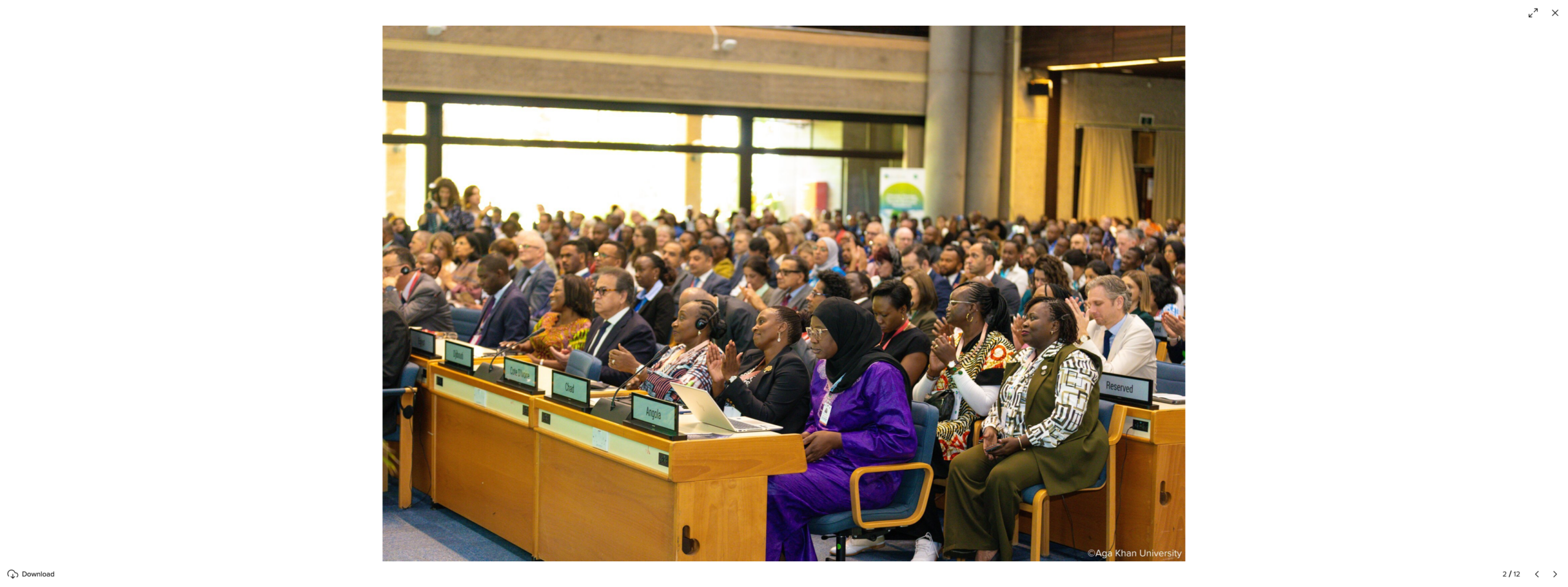
Preparations are in full swing. The Secretariat of the Convention on Biological Diversity and Armenia, host of the 17th Conference of the Parties meeting – the United Nations Biodiversity Conference – are working hard to ensure that when the parties and stakeholders come together in Yerevan in October they will find great working conditions and have all the information they need to tackle a full agenda shaped by the need to do more and act faster to protect biodiversity. And do this with a sense of urgency: biodiversity is the foundation of all life on Earth; human-driven pressures are undermining it at an alarming pace.
What are the priorities of the conference?
The UN Biodiversity Conference actually comprises three meetings: COP17 itself and the concurrent meetings of the convention’s two protocols: the Cartagena Protocol on Biosafety and the Nagoya Protocol on Access to Genetic Resources and the Fair and Equitable Sharing of Benefits Arising from Their Utilization.
At COP17, parties to the CBD will undertake the first global review of collective progress in the implementation of the Kunming-Montreal Global Biodiversity Framework.
The KMGBF is the world’s comprehensive, science-based blueprint to halt and reverse global biodiversity loss through 23 targets to be achieved by 2030. It addresses the key drivers of nature’s decline, land- and sea-use change, direct exploitation of organisms, climate change, pollution and invasive alien species in integrated ways, promoting whole‑of‑government and whole‑of‑society action. Importantly, the framework is clear that transformative change is required at all levels, including of our economic and financial systems.
KMGBF implementation is in full swing across the globe. In Yerevan we will discuss whether the current pace and scope of action are sufficient to achieve the global targets on time. Clarity on where the world stands in halting and reversing biodiversity loss is crucial, but translating the analysis into accelerated action is going to be a key gauge of success in Yerevan.
Other crucial outcomes are related to the enablers of success: resource mobilisation for implementation, capacity building and development, scientific and technical cooperation, as well as the further operationalisation of the groundbreaking Cali Fund, established to ensure that companies making commercial use of digital sequence information on genetic resources contribute a portion of their earnings to biodiversity conservation.
Progress is also expected in further strengthening the role of Indigenous peoples and local communities in the work of the convention. Stewards of biodiversity in many parts of the world, they see biodiversity loss and climate change as what they are: two sides of the same crisis. In Yerevan, this growing recognition should be translated into further steps towards closer cooperation and synergistic implementation of the Rio Conventions.
Parties to the Cartagena Protocol will seek progress on enhancing risk management, capacity building and detection tools related to living modified organisms. Parties to the Nagoya Protocol will conduct a second effectiveness review that should provide parties with actionable guidance to strengthen the fair and equitable sharing of benefits from the use of their genetic resources.
But there is more to success than what the negotiations can deliver. The 2026 UN Biodiversity Conference must be a moment of whole-of-government and whole-of-society engagement, spanning government departments, business and finance, and stakeholders from all walks of life. We are working with Team Armenia to make that happen.
How can G7 leaders and their guests at the Évian Summit help?
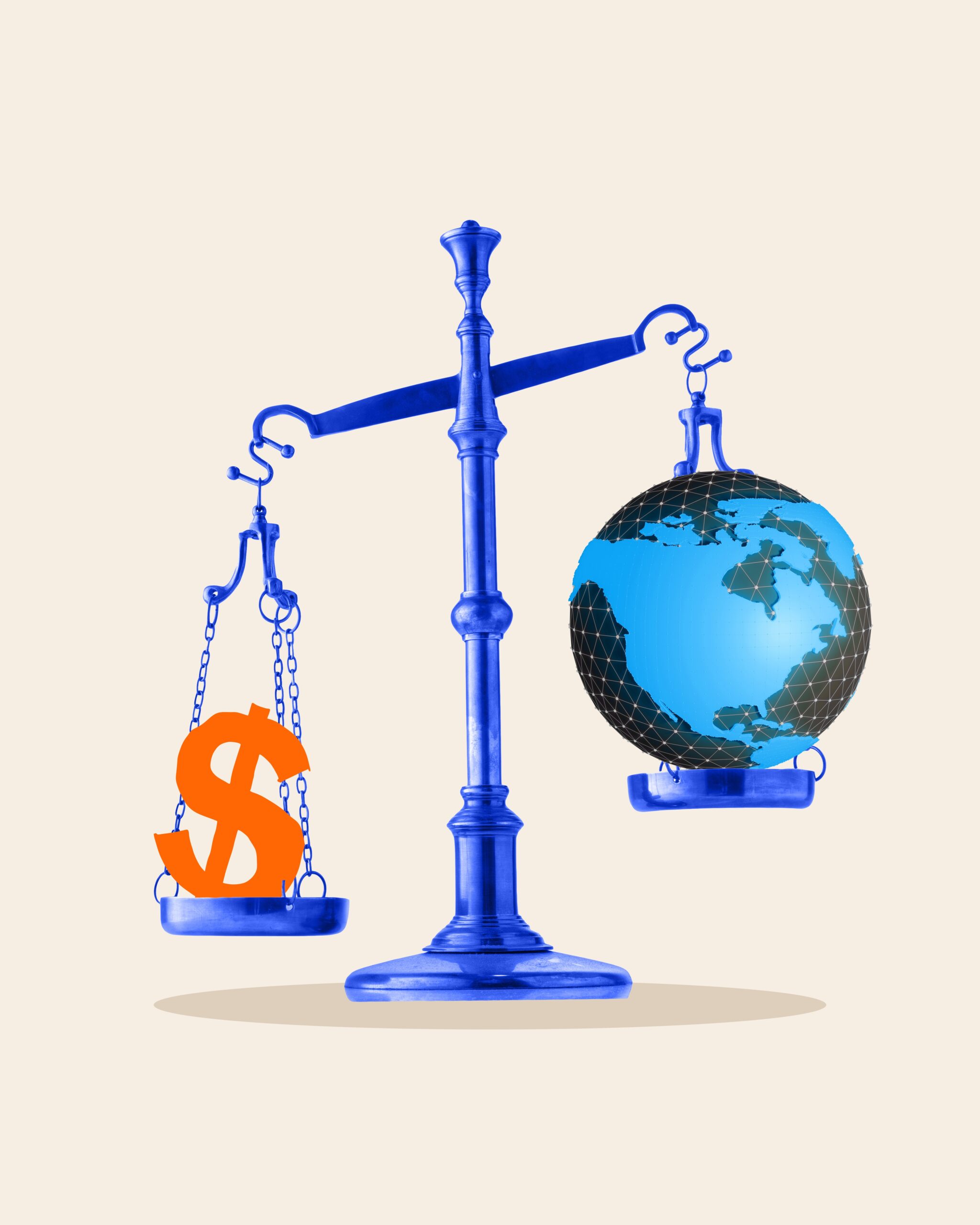
Évian Summit participants can play a pivotal role for biodiversity. At the G7 environment ministers’ meeting in Paris in April, encouraging progress was made. We need the G7 to lead by undertaking essential and bold transformations that decouple socio-economic progress from the destruction of nature. This includes showing the way on the reform of harmful incentives.
The current global fossil energy shock and shortages in synthetic fertilisers indicate that the time to invest in clean energy and in working with nature, not against it, is now. Standing at this crossroads, G7 members have the wherewithal to do the right thing at home towards bringing about global change. In these geopolitically fraught times, constructive engagement by the G7 members with other parties at the UN Biodiversity Conference will foster solidarity and cooperation and bring the world closer to living in harmony with nature, protecting our planet’s life support system.