

In November 2025, the European Parliament adopted, by a broad majority, the first report in its history dedicated to countering the transnational repression of human rights defenders. As rapporteur, I am pleased that the European Union has at last decided to name this phenomenon for the first time, and to do so on the basis of a common European definition. Transnational repression refers to the acts of intimidation, harassment, surveillance, coercion, threats or violence committed by a state, directly or through its proxies, beyond its borders, against individuals or groups perceived as critical of it.
While preparing this report, my team and I met dozens of victims of transnational repression who had sought refuge on European soil: journalists, defenders, activists and ordinary citizens who had fled persecution only to find that the regimes they escaped continued to pursue them here, sometimes into their own homes. Their testimony directly informed the text we adopted.
An expanding threat
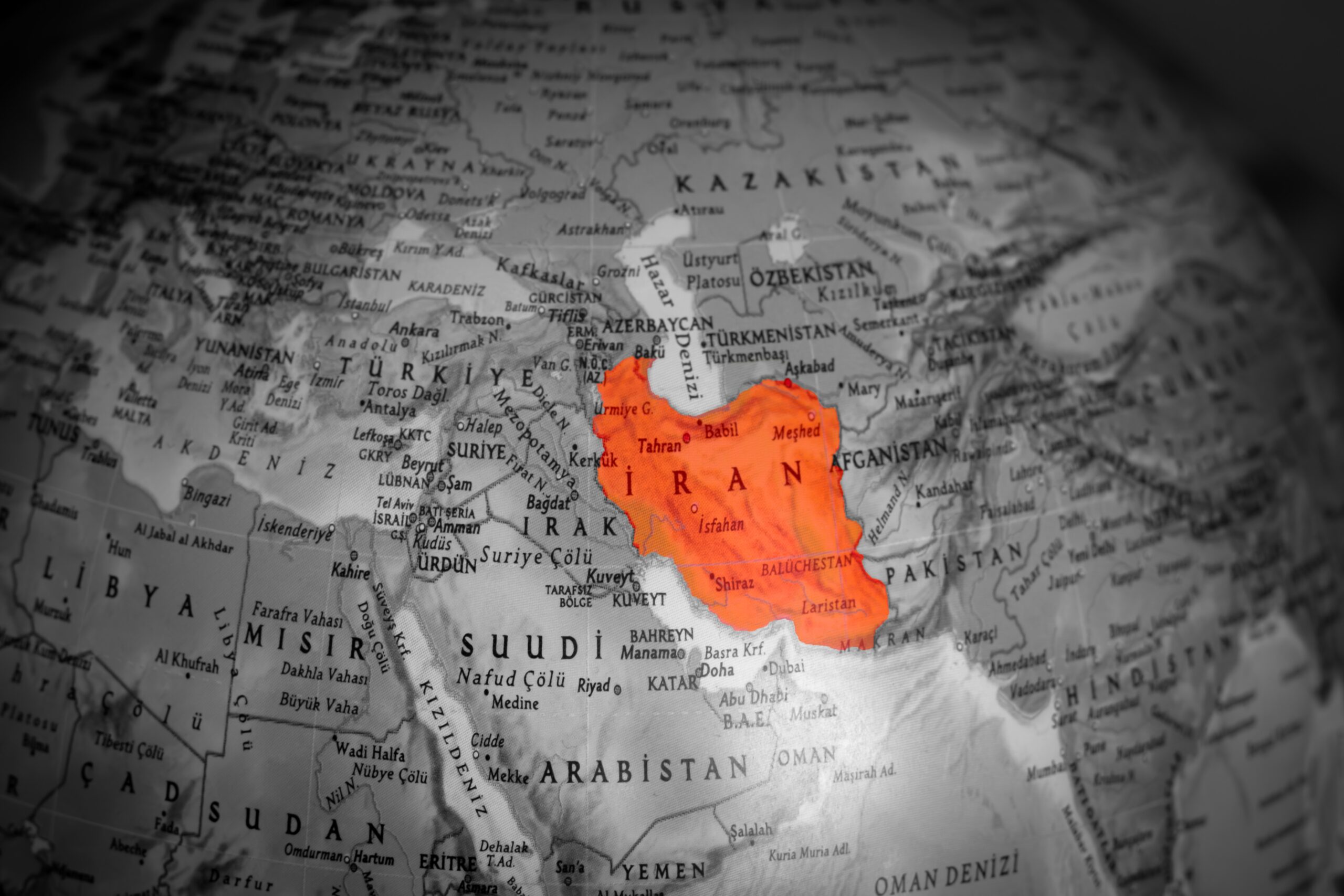
The phenomenon is expanding rapidly, yet the data available to us remains very incomplete. To this day, there is no European mechanism dedicated to recording incidents of transnational repression, and we continue to rely largely on the work of civil society and independent researchers. Even so, what we already know is alarming: a quarter of the world’s governments engage in such practices, and 10 regimes alone are responsible for nearly 80% of documented cases: China, Türkiye, Tajikistan, Russia, Egypt, Cambodia, Turkmenistan, Uzbekistan, Iran and Belarus. The true scale is almost certainly far greater than the figures we are able to compile, because fear and the absence of reporting channels keep most cases invisible.
The methods are, on the other hand, well documented. They include physical threats and assaults, abductions, poisonings, the cancellation of passports and the revocation of citizenship, the abusive use of Interpol Red Notices to trigger arrests across borders, fabricated extradition requests, and direct threats against the relatives of exiled defenders who remain in the country of origin. These practices do more than terrorise the individuals they target. They allow authoritarian regimes to operate inside our democracies, and they weaken the rule of law that European citizens are entitled to expect.
Transnational repression is also moving into the digital sphere, where its growth is fastest. Online harassment campaigns, doxxing (publicly exposing a person’s private information, such as their address), the theft of personal data, coordinated defamation, and the deployment of commercial spyware against the phones of exiled defenders and journalists have become standard tools of authoritarian regimes. Women human rights defenders are disproportionately exposed. They face sexist abuse, sexualised smear campaigns and threats against their relatives, all designed to humiliate them and force them out of public life. In this context, misogyny is being used as a political weapon.
Other democracies are ahead of us. Canada and Australia, in particular, have already adopted measures against transnational repression. Europe can no longer afford to lag behind.
Building a coherent democratic response
The report adopted by the European Parliament responds to this reality with a structured European strategy. We call for a substantial strengthening of visa and asylum policies, including the swift issuance of humanitarian visas to defenders at risk and full respect for the right to asylum under the Geneva Convention. The report also demands the creation of dedicated units, at both national and European levels, tasked with identifying and protecting victims of transnational repression, with particular attention to the gender-specific dimensions of these attacks. Police officers, magistrates and border guards must be trained to recognise and counter transnational repression, since they are often the first authorities to whom victims turn. Digital platforms must be held genuinely accountable, through the rigorous enforcement of the Digital Services Act and the development of safe reporting channels for online harassment and gender-based abuse. The export of European-made spyware to authoritarian regimes must be banned, and Europol should systematically review the Interpol Red Notices and extradition requests that target defenders. Sanctions must finally be applied with consistency, including asset freezes, visa bans and the expulsion of complicit diplomats, under the EU Global Human Rights Sanctions Regime.
The fight against transnational repression goes far beyond a gesture of solidarity towards exiles. It engages European sovereignty, the credibility of our asylum system, and the integrity of our democratic order. As authoritarianism advances across the world, our countries have a duty to remain
a refuge for those who fight for human rights, for press freedom, and for democratic values.