

As G7 leaders gather in Évian, the world faces a convergence of global challenges. Food insecurity, climate change, biodiversity loss, emerging diseases and trade disruptions are no longer separate challenges – they are deeply intertwined. Addressing them in silos is no longer an option.
Animal health sits at the heart of this nexus. Yet too often, it is treated as a sectoral concern. That is a mistake. Animal health is a cornerstone of global resilience, food system stability and sustainable development.
Consider food security. Livestock sustain billions of people worldwide, providing nutrition and livelihoods, particularly in low- and middle-income countries. Yet animal diseases continue to threaten
production systems, disrupt markets and undermine rural livelihoods. Strong veterinary services and robust disease surveillance are not luxuries – they are essential to prevent outbreaks, safeguard livestock production, and ensure safe and resilient food systems.
The climate crisis adds urgency. Climate change is altering the distribution of vectors and pathogens and increasing the risk of transboundary animal diseases and zoonotic spillover. At the same time, livestock systems must adapt to environmental pressures while maintaining productivity. Strengthening veterinary services and surveillance systems helps countries manage climate-sensitive diseases and build more resilient agricultural systems. Yet investment tells a different story: less than 0.1% of global climate finance supports livestock systems, and under 2% of adaptation finance reaches animal health. This gap is not just striking – it is dangerous.
Animal health at the nexus of climate, food and biodiversity
Biodiversity, too, is linked to animal health. Mounting pressures on ecosystems and wildlife habitats are intensifying interactions among wildlife, livestock and people. Preventing disease spill over between wild and domestic animals is essential to safeguarding biodiversity and reducing the risk of emerging zoonotic diseases. Strengthened surveillance, responsible wildlife management and coordinated health systems across sectors are therefore essential components of global prevention strategies.
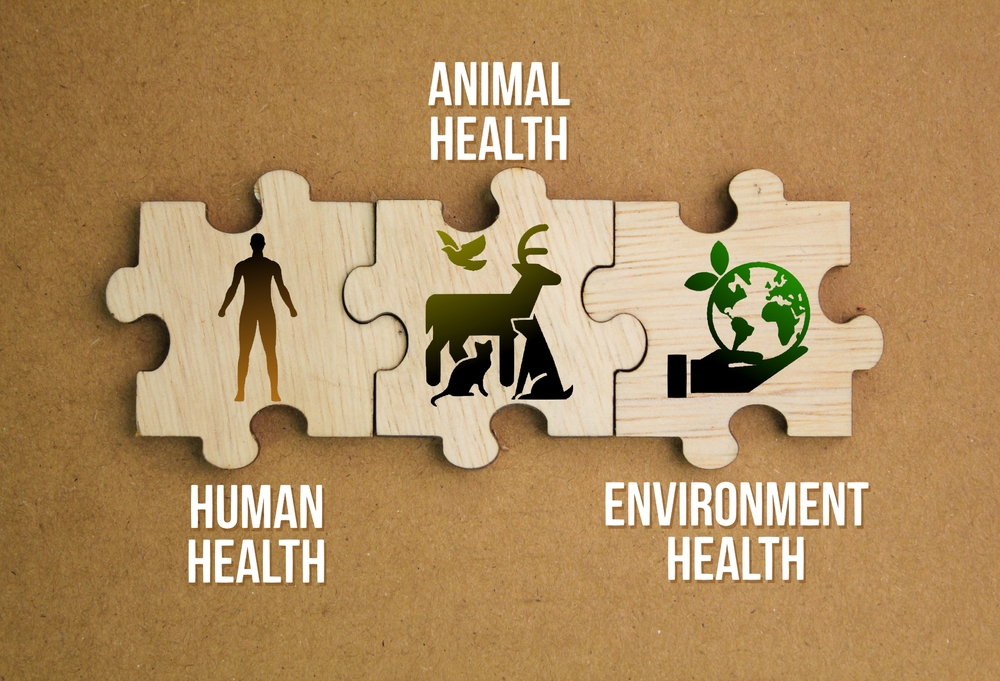
These realities underscore a simple truth: the health of people, animals and ecosystems is inseparable. This is the foundation of the One Health approach. The World Organisation for Animal Health works closely with its Quadripartite partners – the Food and Agriculture Organization of the United Nations, the World Health Organization and the United Nations Environment Programme – to translate this concept into practical action. Through the One Health Joint Plan of Action (2022–2026) and its Implementation Guide, countries are supported in strengthening governance, institutional capacities and data systems. Aligning investments with these frameworks can help countries operationalise One Health and strengthen pandemic prevention.
Pandemic prevention offers perhaps the clearest case for action. Most emerging infectious diseases originate in animals, making early detection and prevention essential. Yet many countries lack the
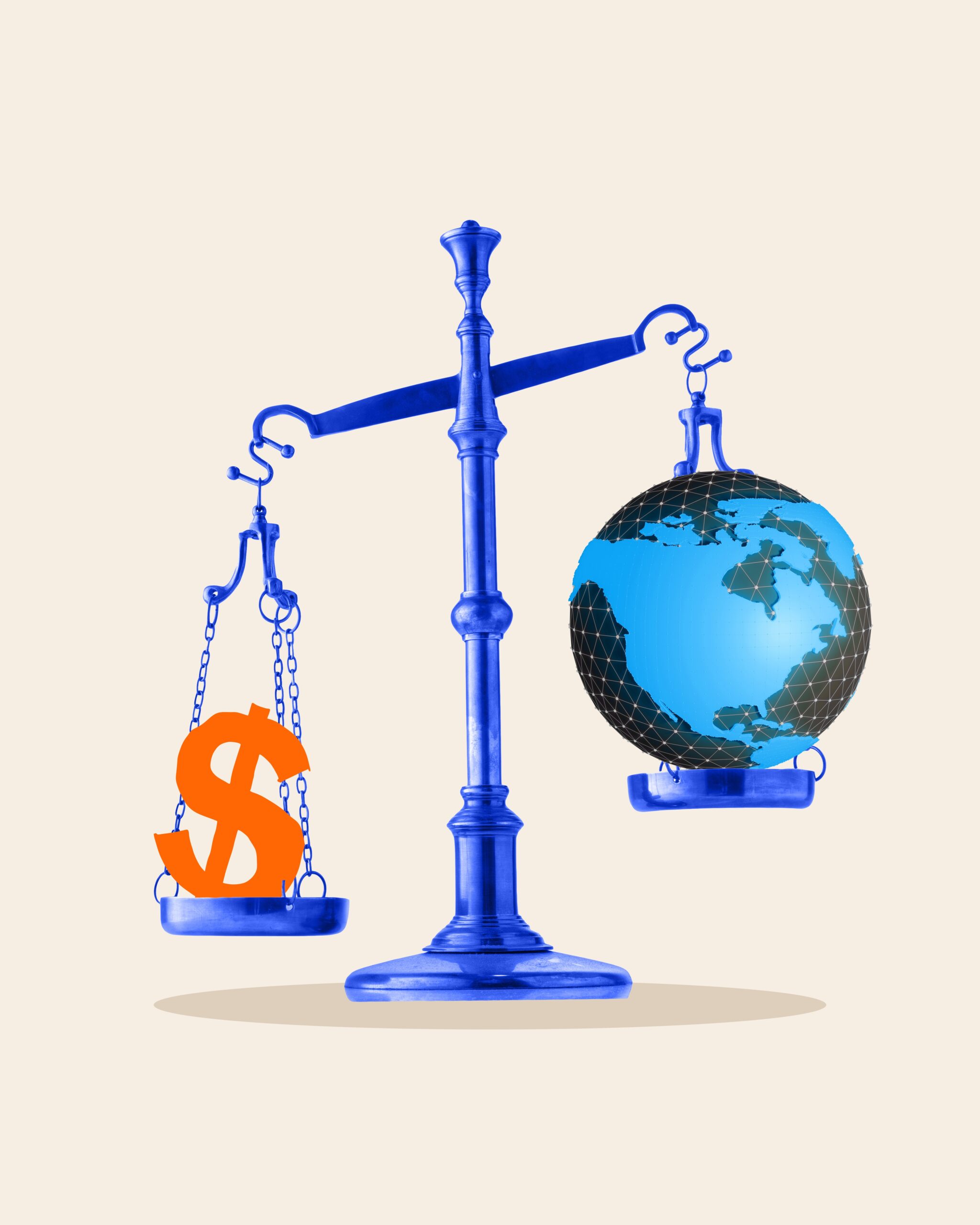
veterinary capacity, laboratory networks and surveillance systems required to act in time. According to joint analyses by the World Bank and WOAH, closing the global financing gap for veterinary services would cost an estimated $2.1–2.3 billion annually – a modest sum compared to the trillions lost to a single global pandemic. This is not spending; it is insurance.
A G7 implementation agenda
Combating antimicrobial resistance is another shared priority. Responsible antimicrobial use in animals is critical to preserving the effectiveness of life-saving medicines. Progress relies on coordinated, multisectoral action that WOAH supports countries with – another test of our commitment to One Health.
International trade also depends on strong animal health governance. Transparent, science-based standards developed by WOAH and recognised by the World Trade Organization help ensure safe and fair trade in animals and animal products. Strong veterinary systems can implement these standards effectively, building trust in global markets while protecting public and animal health.
The G7 has a unique opportunity to accelerate progress. By investing in veterinary services, strengthening disease surveillance and supporting One Health governance, G7 members can help prevent future pandemics while reinforcing food security, climate resilience and biodiversity protection. Embedding animal health into discussions on food systems transformation, climate adaptation and global health security will help translate One Health commitments into concrete action.
For a fraction of the cost of the next global crisis, we can build resilient animal health systems that help prevent pandemics, stabilise food systems and reduce environmental pressures. The return on investment is undeniable.
Évian should mark a shift in perspective. Animal health is not peripheral – it is foundational.