

The 2025 G7 summit in Kananaskis concluded successfully, to the evident relief of its Canadian host. Canada’s previous summit in 2018, at Charlevoix, ended acrimoniously when US president Donald Trump departed early and repudiated the final communiqué. Determined to avoid a repeat, Canadian officials managed the process carefully after assuming the presidency from Italy on 1 January 2025. Prime Minister Mark Carney – who inherited the summit preparations upon succeeding Justin Trudeau in March – struck a pragmatic tone, welcoming Trump with an agenda that echoed Trump themes. Although the US president again left before the summit’s second day added guest leaders, Canada had successfully discharged its hosting responsibilities and handed over the leadership of the G7 to France.
The G7 presidency rotates annually, but the agenda does not reset. Each host inherits a standing docket of geopolitical crises and structural economic challenges, then reframes it through national priorities. Italy translated economic security and development into an Africa–Mediterranean–migration lens. Canada recast similar pressures through a North American frame, emphasising critical minerals, artificial intelligence, quantum technologies, energy security, wildfires, infrastructure and trusted partnerships. France is now positioning the agenda in macroeconomic terms: global imbalances, excess capacity, development finance reform, trade rules, digital competition and illicit cross-border flows.
G7 flexibility, G20 continuity
The G20 exhibits greater continuity. Its agenda is anchored in development, finance, debt sustainability, climate transition, inclusive growth, food security and global governance reform, alongside a persistent emphasis on the Global South. Unlike the G7, where host countries often reweight priorities, G20 presidencies tend to add a signature initiative reflecting national experience without fundamentally altering the agenda’s structure.
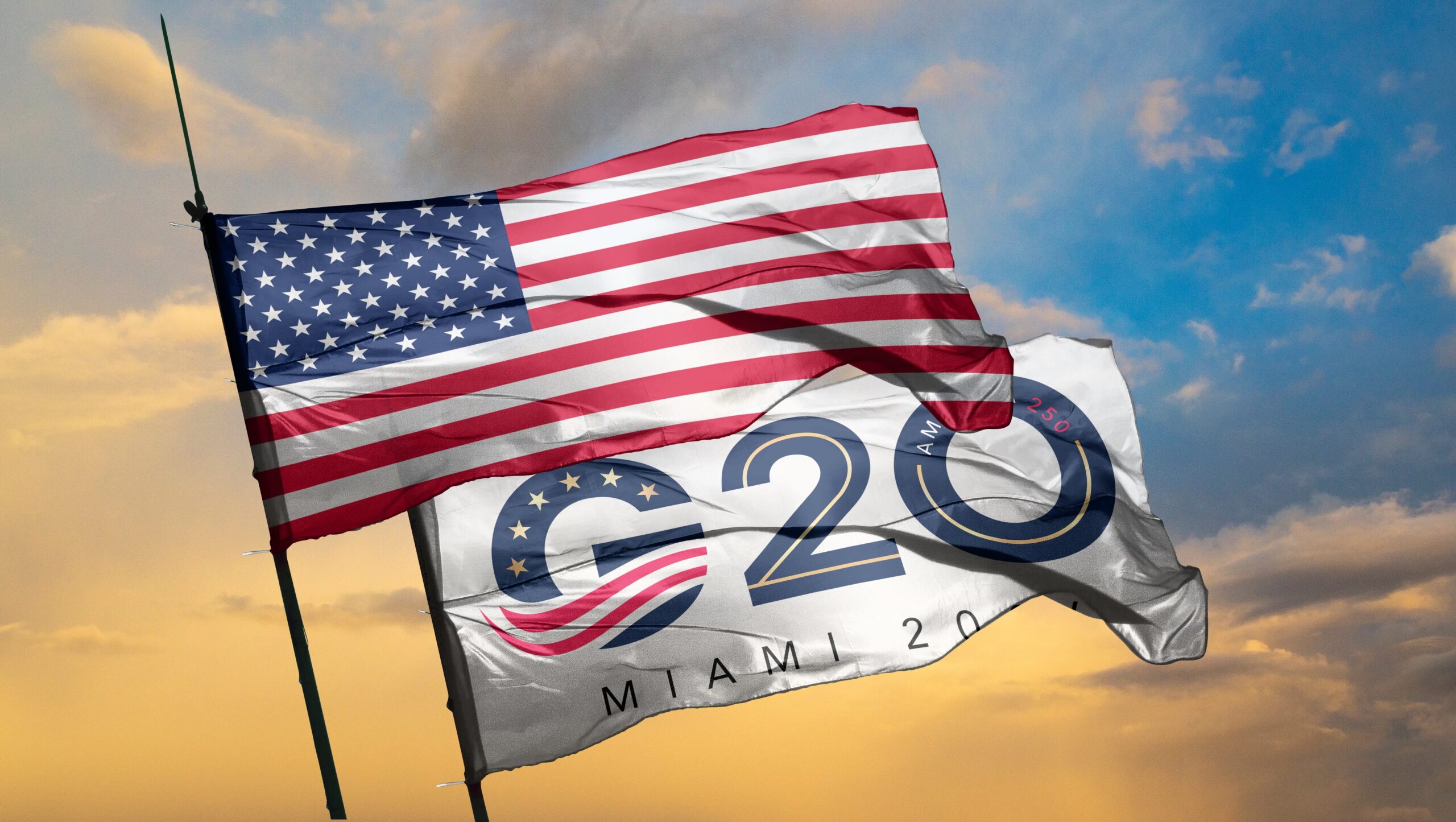
The United States will host the G20 summit in December 2026 in Miami and the G7 summit in 2027. In both cases, the host will be Trump. His record suggests that procedural continuity cannot be assumed. At Charlevoix, he demonstrated a willingness to disrupt both substance and process. If he disagrees with an agenda, he will challenge it publicly; if he rejects an item, he may simply remove it.
This raises uncertainty for the Miami G20. Trump did not attend the 2025 G20 summit hosted by South Africa, and no senior US officials did so in his place. That absence disrupted the customary public handover of the presidency, with South Africa declining to transfer leadership to a US embassy representative. Diplomatic tensions deepened when Trump withheld an invitation to South African president Cyril Ramaphosa to attend Miami, while extending one to Kenya’s president William Ruto, leading a much smaller African country. This gesture has been read in Johannesburg as a signal of South Africa’s future role in the forum.
Miami: an uncertain trajectory
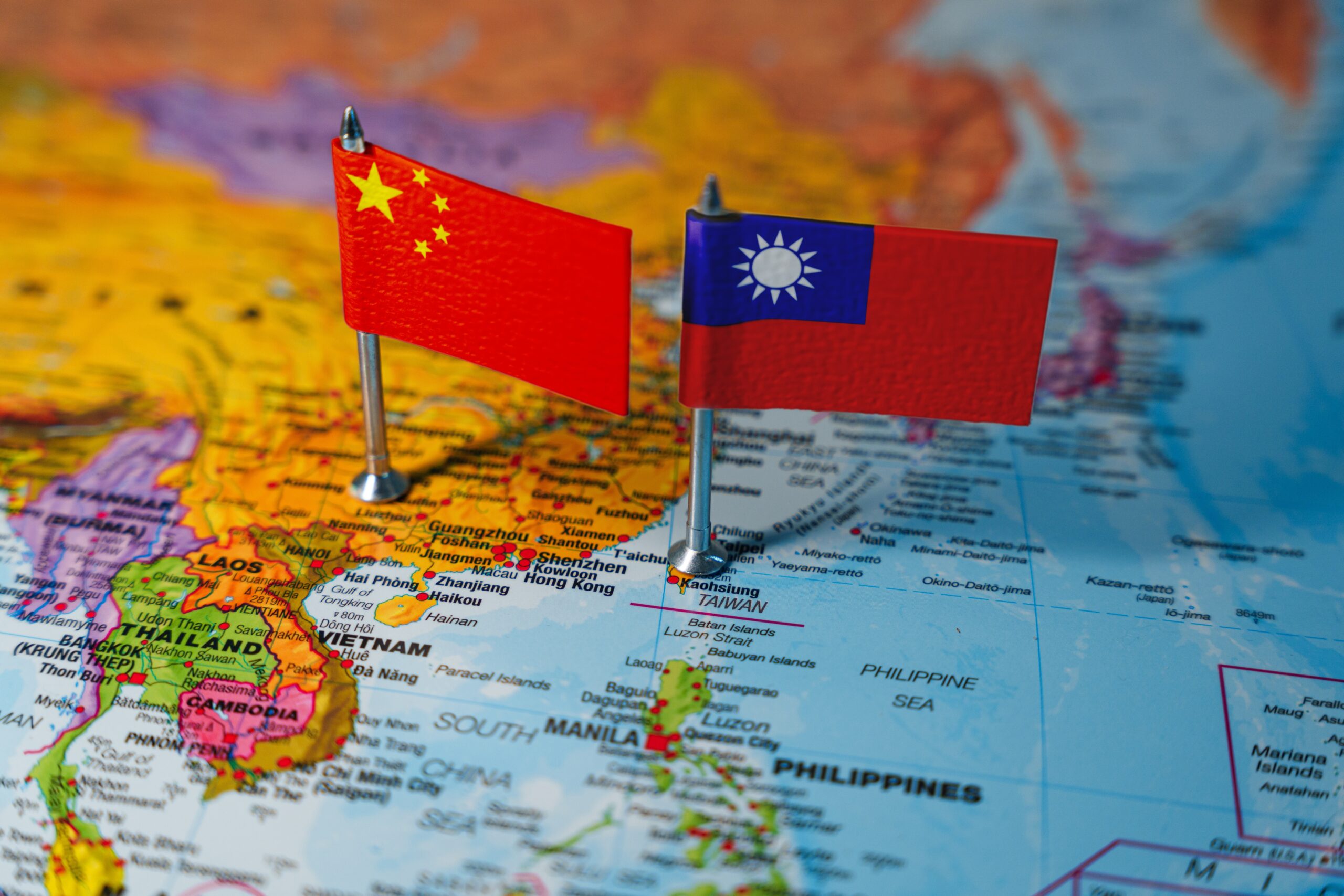
If Donald Trump departs from G20 continuity, he may still find elements of the G7 Évian agenda useful. French president Emmanuel Macron’s priorities overlap in part with Trump’s own concerns. Trade imbalances and the reform of trade rules are central to Trump’s economic strategy, particularly in his second term. The G7 could converge on a shared position regarding excess Chinese industrial capacity and carry that consensus into the G20, where President Xi Jinping is expected to attend. Similarly, concerns about illicit cross-border flows – particularly fentanyl – could move from Évian onto the Miami agenda.
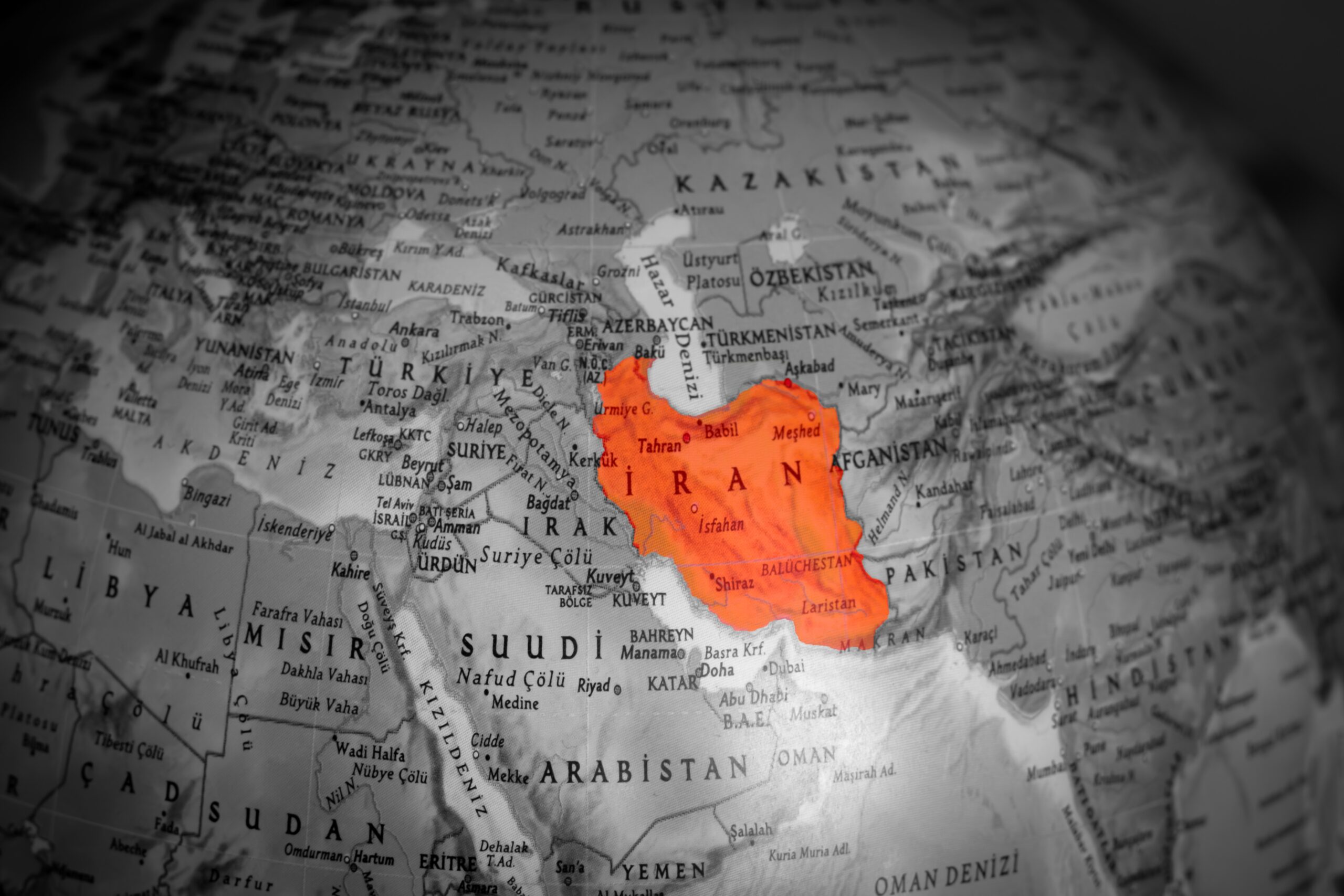
At the same time, tensions between Trump and other G7 leaders – over trade disputes and the war involving Iran – cast doubt on sustained US engagement with the G7 process. Trump has previously questioned Russia’s exclusion from the group and has now invited President Vladimir Putin to the G20 in Miami despite the ongoing war in Ukraine. (Russia is a member of the G20, but the president has not participated in person since Russia’s invasion of Ukraine in 2022.) The G20’s broader membership – including China, India, Saudi Arabia and Argentina – offers Trump a more expansive platform for geopolitical positioning than the G7’s narrower coalition of advanced democracies.
This dynamic raises a more structural question. Trump may choose to align the 2027 G7 agenda with the themes he establishes in Miami, rather than building on the legacy of Évian. If so, the traditional sequencing – where G7 priorities cascade into the G20 – could invert.
What would global governance look like if the G7 became, in effect, a subcommittee of the G20? It is a question that once seemed hypothetical. Under current conditions, it is no longer unthinkable.