


Five decades on from the G7’s very first meeting in Rambouillet, the world’s leading economies have grown in scale and complexity. Tourism has evolved with them. In 2025, G7 countries welcomed 374 million international tourists, generating $604 billion in receipts.
And yet, tourism’s impact is not being felt evenly.
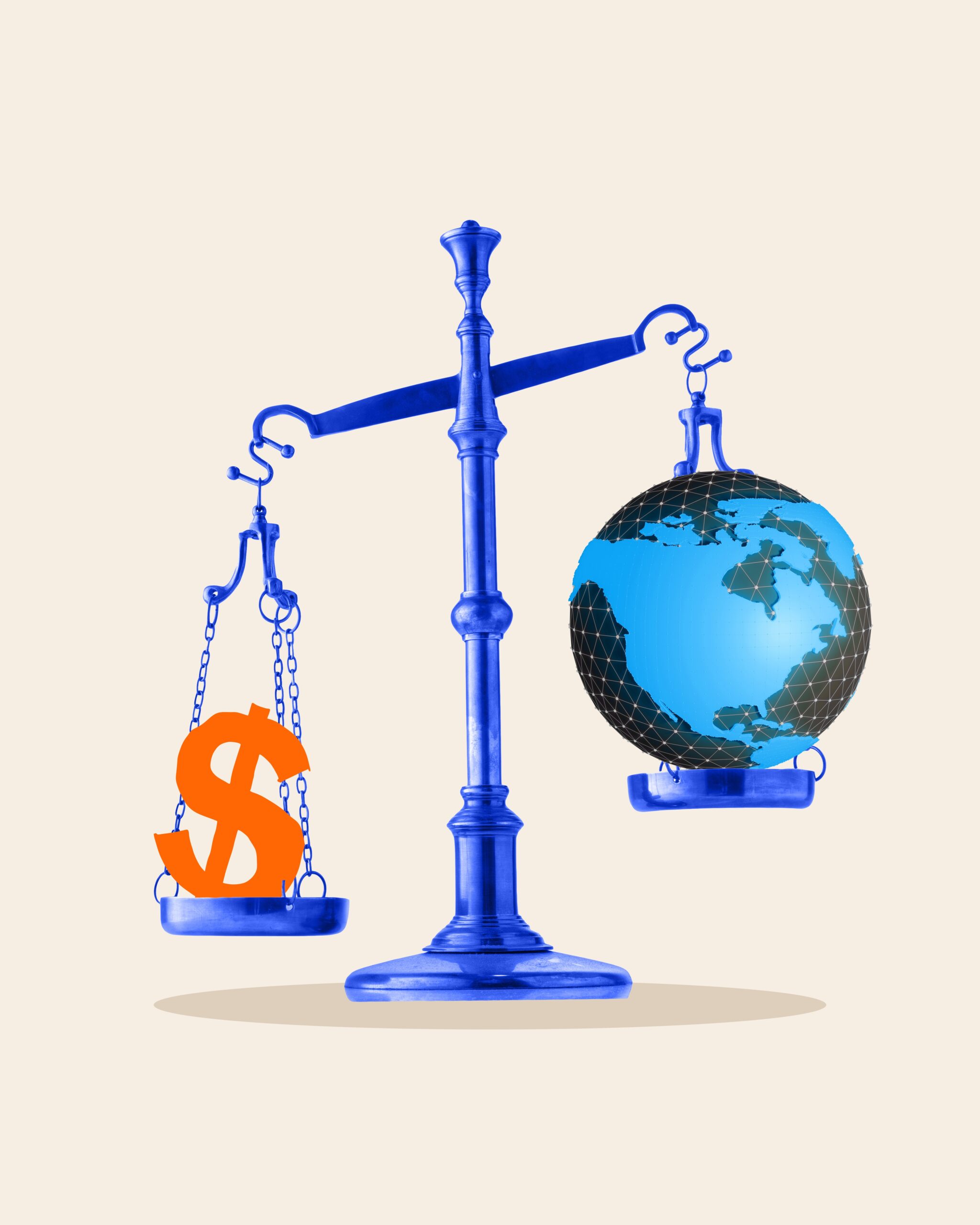
The global economy today is marked by widening imbalances, between countries, regions and communities. Addressing this is a clear priority for France’s presidency of the G7 and it also sits at the core of my mandate.
Shaping tourism for inclusive growth
Tourism has the potential to reduce inequality, but only if it is shaped with intent. At its best, tourism directs value into local economies. It supports small businesses, tour guides, farmers and artisans, among many others. It creates jobs across skill levels and opens up opportunities for women, young people and rural communities. It directs investment into regions that would otherwise be overlooked and helps reverse patterns of depopulation.
But this is not guaranteed.
From expansion to impact
In many destinations, continued growth means that infrastructure is under pressure and local communities feel the strain without always sharing the reward. The question, therefore, is no longer how to grow tourism, but how to ensure it works for the people and places it touches.
This is where leadership matters.
G7 tourism ministers recognised this in 2024, reaffirming tourism’s role in fostering connection and mutual understanding. In a fragmented world, tourism does more than move people: it creates interdependence. It links economies, builds shared interest and reinforces stability in ways few sectors can. Today, this could not be more necessary or more urgent.
This is why the G7’s leadership in tourism matters so much. Though just seven in number plus the European Union, these economies have the resources, and the global influence to champion tourism and not just the growth of tourism, but its direction – from volume to value, from expansion to impact and from commitment to results.
Growth will continue. It must now be shaped into value that endures.