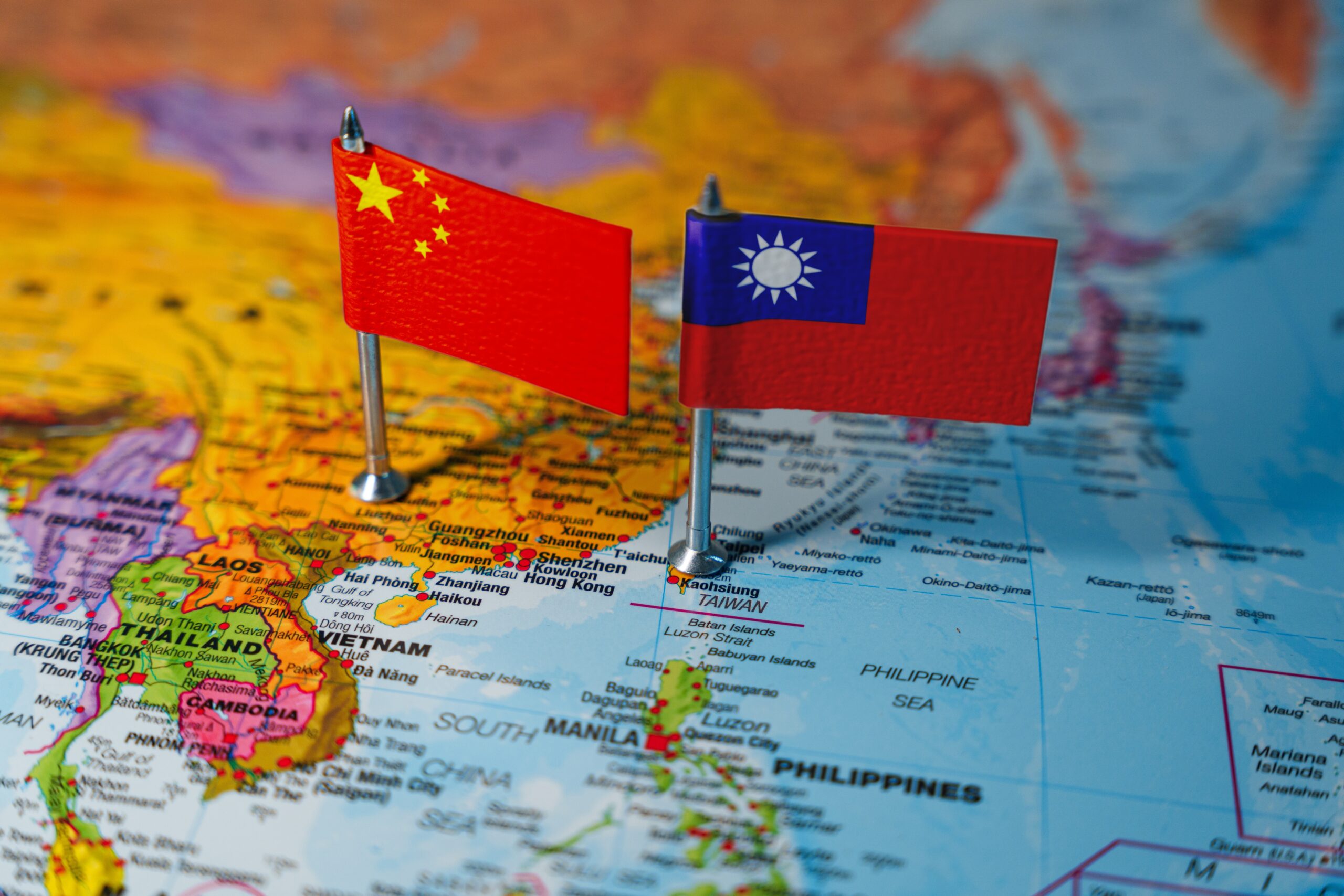


In 2025, during Canada’s presidency of the G7, the leading democracies in the world – the United States, Japan, Canada, France, the United Kingdom, Germany and Italy, plus the European Union – reiterated their longstanding call for continued peace and stability across the Taiwan Strait. The G7 also indicated its opposition to any unilateral attempts to change the status quo relating to Taiwan by force or coercion. In addition, the G7 stated its support for Taiwan’s meaningful participation in appropriate international organisations.
In anticipation of the G7 summit in Évian in France in June, it is worth assessing recent developments that might affect the G7’s commitments regarding security in the Indo-Pacific region.
US president Donald Trump seems not to have conceded any ground to Chinese president Xi Jinping regarding Taiwan at their summit in May 2026, although Xi made it clear that Taiwan’s unification with China was his principal foreign policy concern. An important indicator of Trump’s willingness to partially placate Xi would be if Trump holds up all or some of Taiwan’s current orders for sophisticated US-made weapons. Regardless, the Évian Summit would be a timely opportunity for the G7, including the US, to reiterate its support for Taiwan.
In the second half of 2025, Japan’s then newly elected prime minister, Takaichi Sanae, publicly stated that Japan would treat a Chinese attack on Taiwan as an “existential threat” to Japan. This phrase is important, as it allows Japan to pursue a robust set of military measures in defending peace in the Indo-Pacific region, particularly in waters proximate to Japan, including the Taiwan Strait.
An evolving security commitment
The leaders of France, the United Kingdom, Germany and Canada all made significant visits to Beijing in late 2025 or early 2026. They are all pursuing trade opportunities for their respective countries, but they also expressed support for the continued status quo between China and Taiwan. The days of rushing into commercial dealings with China are over for western countries. The tone and execution today are much more cautious, as they should be. Great care must be taken that western economies do not become dependent on Chinese supply chains.
Similarly, G7 members and their partners should continue the policy that prevents western countries from selling the highest performance semiconductor chips, and the machines that make them, to buyers in China. Democracies do not want China using western technologies, including those that enable the strongest forms of artificial intelligence, to help China build its surveillance, oppression and military systems. As if to remind the West why this objective remains critical, China conducted very significant military actions around Taiwan at the beginning of 2026, with the type of manoeuvres that Admiral Samuel Paparo, commander of US forces in the Pacific, labelled as rehearsals for a Chinese invasion of Taiwan.
Equally, the recent warming of relations between China and North Korea should remind G7 leaders of the globally significant nuclear threat posed by Pyongyang, and its persistent internet hacking aimed at victims in the West, including the ongoing theft of cryptocurrencies by North Korean groups.
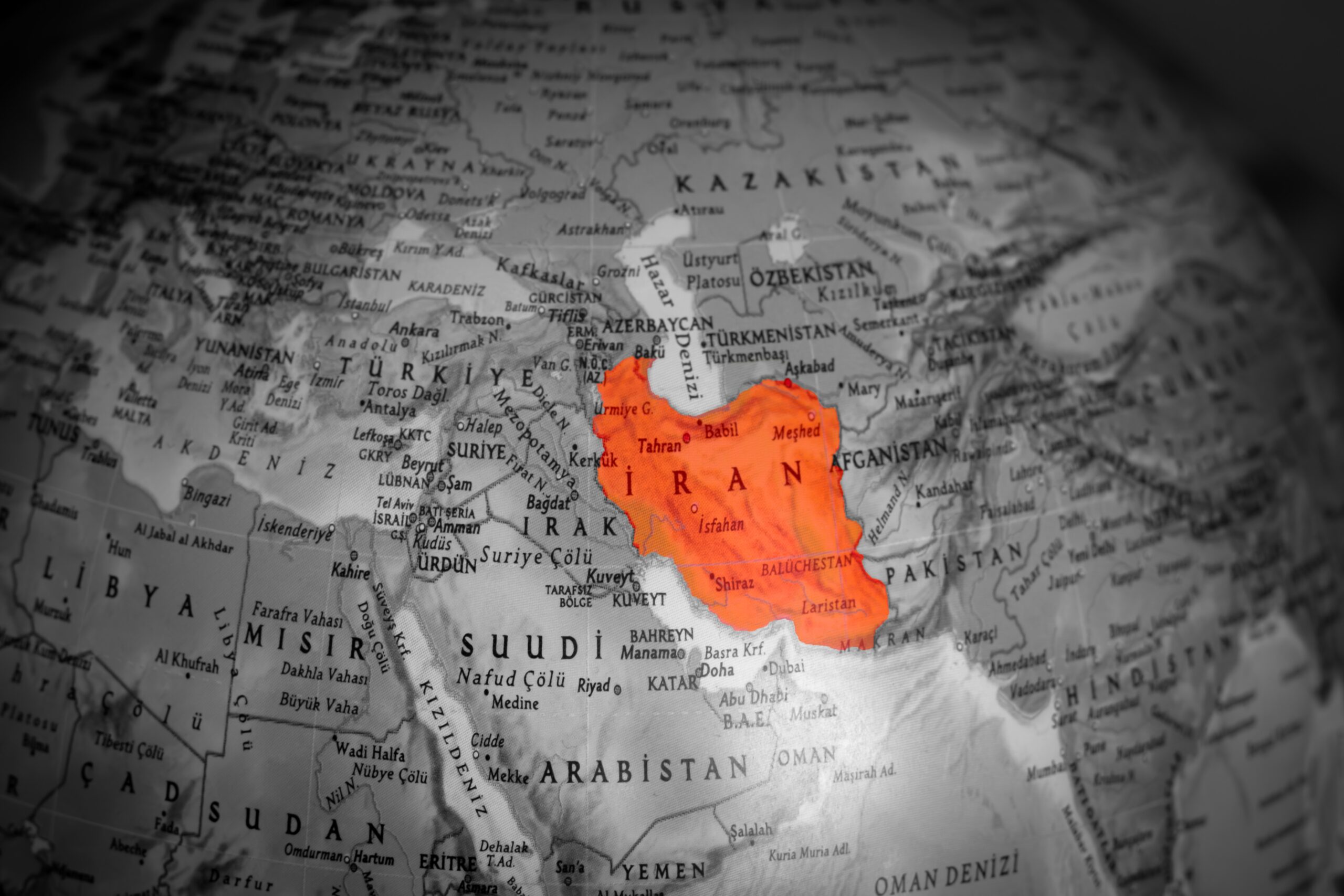
Recent events flowing from the war in Iran have also affected countries in the Indo-Pacific region. The restriction of tanker traffic through the Strait of Hormuz highlights the importance of Middle Eastern energy supplies to customers in Asia. Early in the Iranian hostilities, Beijing indicated that if Taiwan would agree to a voluntary unification with China, the Chinese would meet Taiwan’s energy needs. Taiwan immediately rejected this offer, calling it a form of “cognitive warfare”.
Energy security and interdependence
This Chinese offer illustrates why democracies in North America and Europe need to step up their commercial ties with the democracies in the Indo-Pacific region, including bolstering their energy supplies. A good example is the Hai Long offshore wind farm, one of the largest in Asia, which Canadian company Northland Energy has built and is operating off the west coast of Taiwan, supplying enough electricity to power 2 million Taiwanese households.
The Iran war also illustrates the benefits that can come from the G7 supporting smaller democracies. The G7 has provided military and financial support to Kyiv to help it withstand Russia’s illegal and unprovoked attack on Ukraine. It was therefore heartening for democracies world-wide to witness Ukraine concluding tech transfer deals with Gulf states to sell them Ukrainian drone technology to counter missiles and drones fired at them by Iran. Unity among democracies can pay large dividends in global geopolitics.
At the Évian Summit, in addition to reiterating its resolve to support Ukraine’s critical fight for its own freedom and democracy, the G7 should re-commit to peace through security in the Indo-Pacific region.