

In 2025, the world is seeing an avalanche of funding cuts for global health. Amid calls for increased sustainable health funding, we must also consider how we can invest available funding more effectively. This means leveraging finance for health outcomes currently isolated in other sectors and a deliberate political choice to break down silos and prioritise integrated governance.
The world is facing converging crises in climate change, environmental degradation and public health instability. These are inextricably linked, amplifying one another and undermining sustainable development progress. Already, 3.6 billion people face heightened health risks due to climate change, with the World Health Organization estimating that climate-intensified natural disasters could result in 15 million additional deaths by 2050. Low- and middle-income countries, which often have scant investments in climate- and health-related infrastructure, are at the greatest risk.
Beyond fragmentation
Yet, global financing remains in silos. Funding models often neglect the root environmental determinants of health – clean air, safe water and functioning ecosystems. Nature and biodiversity loss risks are not sufficiently factored into creditworthiness and debt sustainability assessments, despite their significant impact on economic stability, including effects on gross domestic product, sovereign credit ratings and debt distress risks, particularly in vulnerable developing economies.
This fragmented approach is no longer tenable. With the macroeconomic pressures driving global health divestment and the demand for downstream health infrastructure unlikely to ease soon, a new playbook is required – one that leverages environmental funding for health gains.
In 2023, multilateral development banks financed $125 billion worth of climate projects – more than double than in 2019. Yet only 6% of adaptation funding and 0.5% of multilateral climate funding were allocated to projects explicitly focused on protecting or improving human health. By making the choice to consider health benefits as a core objective of investment, rather than a co-benefit, we could unlock billions in additional funding.
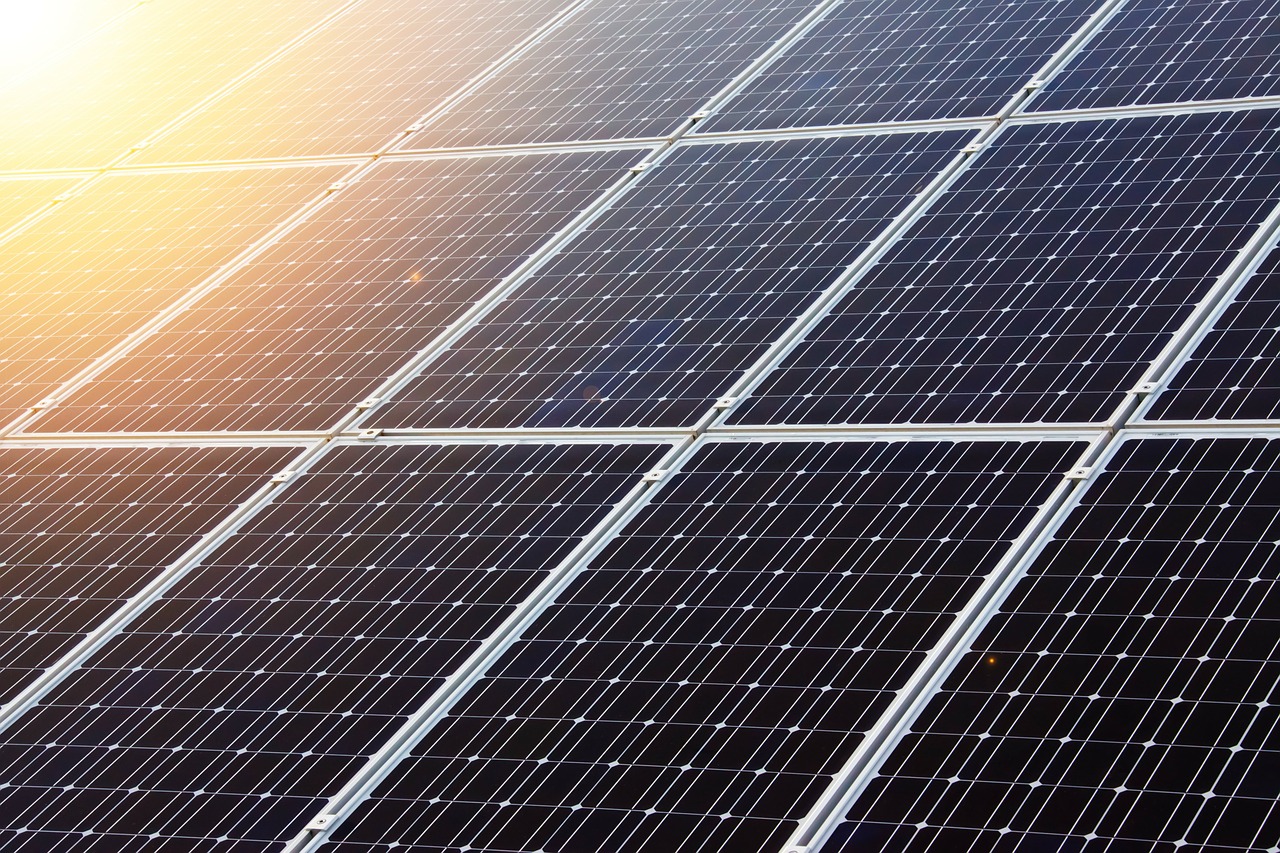
The opportunities for integrated investment are both vast and tangible. Air pollution offers a clear example: Exposure to fine particulate matter is a major driver of respiratory and cardiovascular diseases. Projects that replace coal-fired power with renewables or improve public transport do not just reduce emissions; they also improve health outcomes and ease the burden on healthcare systems. Similarly, heat-mitigating infrastructure, such as urban forests, cool cities and absorb carbon, and also reduce hospitalisations during heatwaves and improve mental well-being.
Nature-based infrastructure – such as mangroves, wetlands and forests – can also play a critical role in improving public health. Mangroves provide flood protection, filter water, store carbon, and support food security and livelihoods. They also provide immense economic value – estimated at $33,000 to $57,000 per hectare per year. Beyond immediate protection, this infrastructure is a critical form of preventive health. By shielding communities from the worst impacts of disasters, it safeguards against the secondary health crises – outbreaks of infectious disease, malnutrition and the collapse of health systems – that so often cause the greatest harm in the long term. However, these natural systems are disappearing at alarming rates – from 1980 to 2000, approximately 25% of mangrove areas were lost globally – and financing remains negligible.
Taking the lead, investing in health
A shift in mindset is long overdue. This shift is not merely a technical challenge but a test of global leadership. Innovative financial instruments are key to implementing a new playbook. Blended finance mechanisms, which use public or philanthropic capital to de-risk investments and attract private capital, offer a way to fund projects in vulnerable regions. The Asian Infrastructure Investment Bank is already leading this charge, demonstrating how infrastructure investment can be a powerful vehicle for improving planetary health outcomes: success stories include the use of outcome-based loans linked to verifiable health and environmental metrics, and green bonds specifically earmarked for planetary health infrastructure. Furthermore, digital tools and data platforms now enable smarter cross-sectoral investment by providing transparent metrics on the combined health, economic and environmental returns of these projects.
MDBs are uniquely positioned to lead this transition by providing not just the capital but also the technical assistance and policy guidance required to scale these solutions. Their leadership is critical to standardising the regulatory frameworks via policy-based financing instruments and convincing both public and private actors of the viability of integrated investments. By working with governments to develop local financial systems and improve capacity to collect taxes, they can also help mobilise domestic resources, offsetting the loss in overseas development aid.
To build a resilient and equitable future, we must break down the silos between health and nature. This is the fundamental political choice before us. By integrating a planetary health approach into every infrastructure investment, across all sectors, we can relieve pressure on fragile healthcare systems, unlock new financing for ecosystem restoration and conservation, and deliver lasting benefits for both people and the planet. The World Health Summit offers a pivotal platform for MDBs and global leaders to commit to this new playbook and to turn political choice into meaningful action.