


G7 host Justin Trudeau’s invitation to the Charlevoix Summit provides an opportunity to respond to challenges that are growing increasingly urgent. We are facing the inequalities created by globalisation, threats that hang over our planet, assaults on democracy and the destabilisation of the international community by new forces. Under such circumstances, it is our responsibility within the G7 to reaffirm the strengths that unite us. First and foremost, this group of countries was founded on shared values and a love of freedom. The G7 has defended democracy, human rights and respect for the rule of law ever since it was created. Today, thanks to the resolute action of Canada, the G7 is able to respond to interference with our democracies and the unprecedented virus of fake news.
The G7 is a forum for reflection on our joint future, which of necessity involves a multilateralism that is stronger, more effective and more responsible. We must avoid any isolationist temptations, for it is an illusion to believe that we can stop change by shutting out the world. We need to give the international community new meaning and reinvent our multilateral institutions focusing on results.
The G7 must continue to stand indomitable in the fight against terrorism on all fronts: keeping track of terrorist combatants and their networks and making sure that their funding sources dry up, relying on the Financial Action Task Force set up by the G7 in 1989, and tirelessly fighting the terrorist propaganda on the internet that sows the seeds of fanaticism. The G7 also provides an effective framework for coordinating our foreign policy activities and working together to bring about peace, notably in Syria or the Sahel.
ACTION AT THE SOURCE
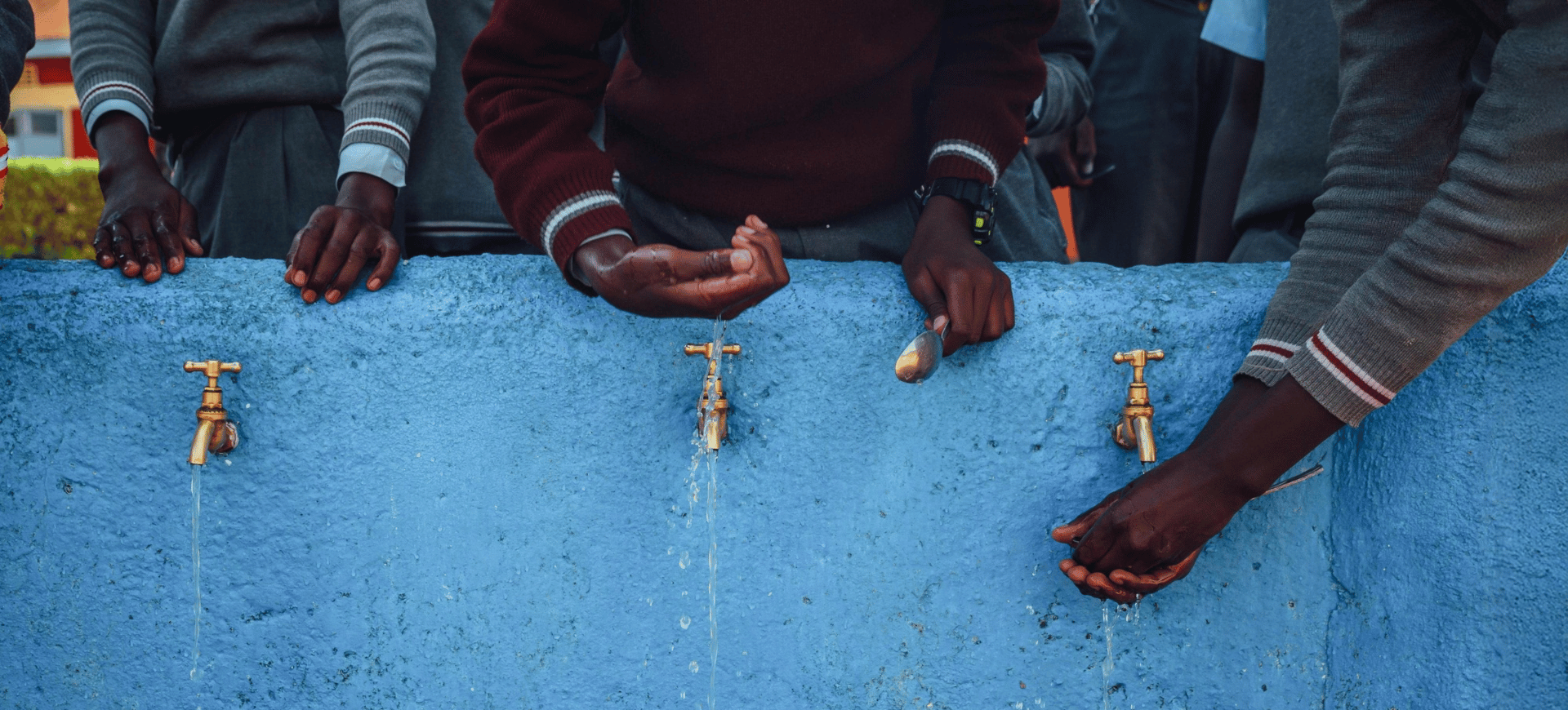
We must not lose sight of the fact that any sustainable response to violent conflicts and extremism must attack their root causes and give our youth new opportunities. This is why we are committed to defending the objectives of sustainable development by remaining especially vigilant when it comes to youth employment, education and advancing gender equality, a theme that the Canadian presidency has rightly identified as a cross-cutting priority for the G7.
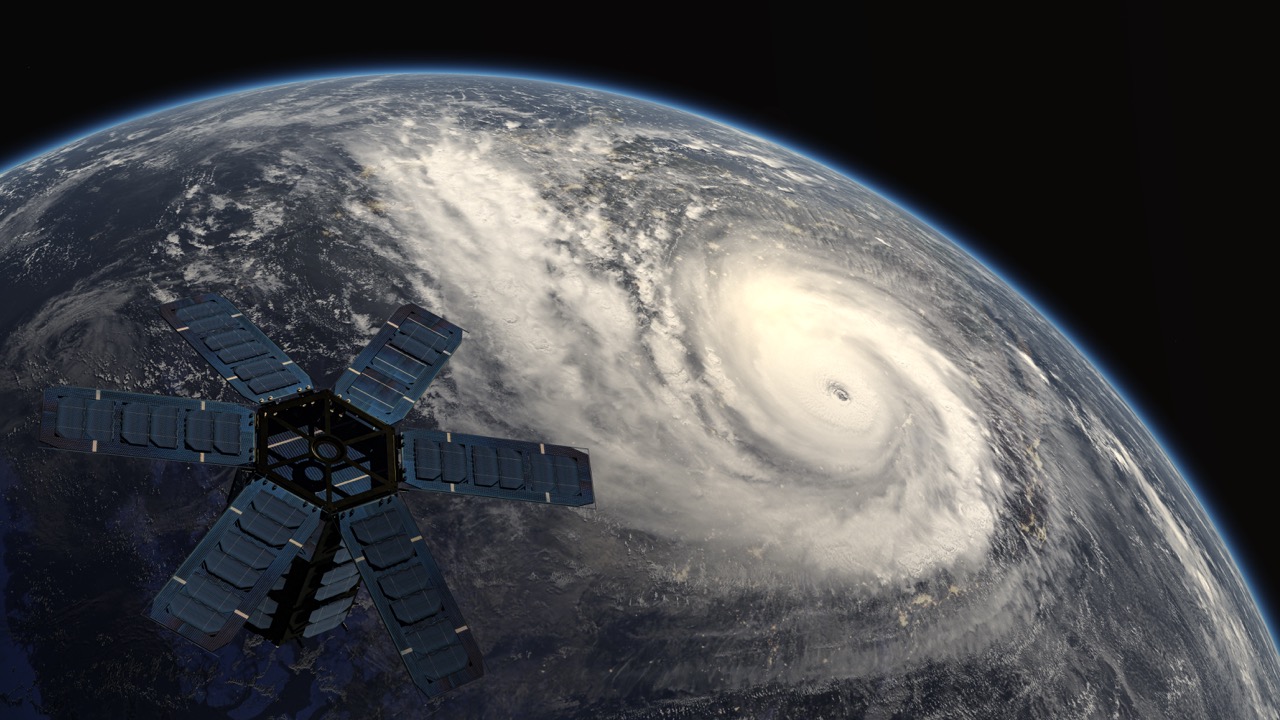
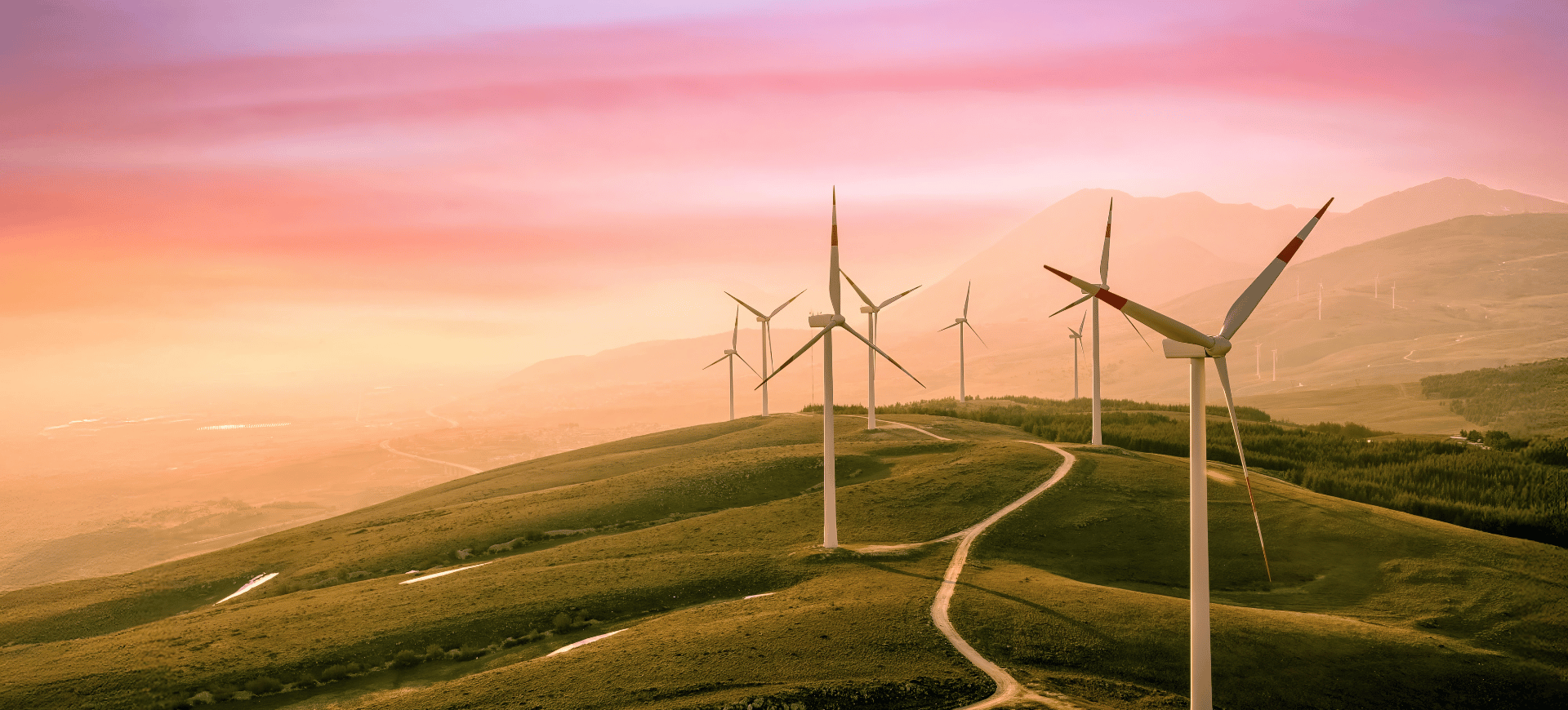
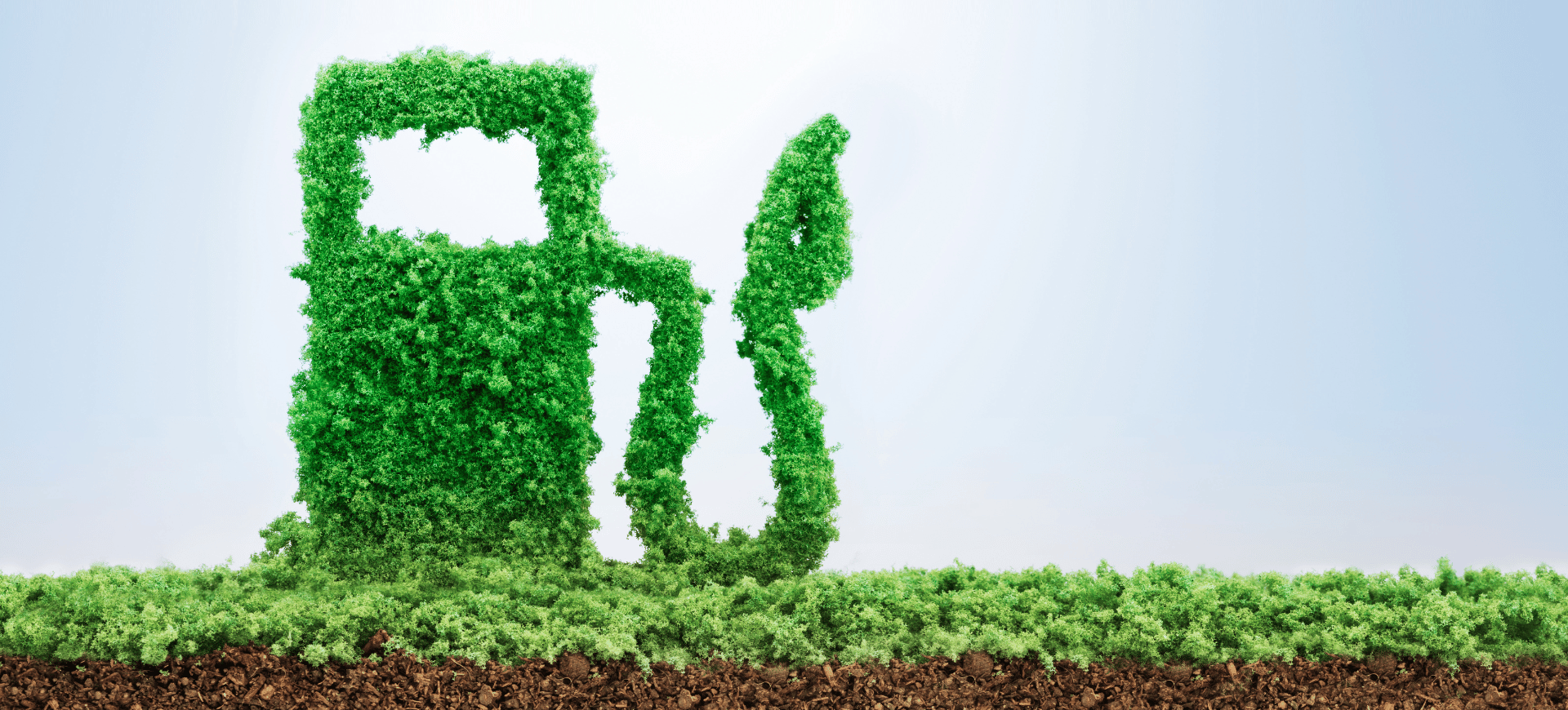
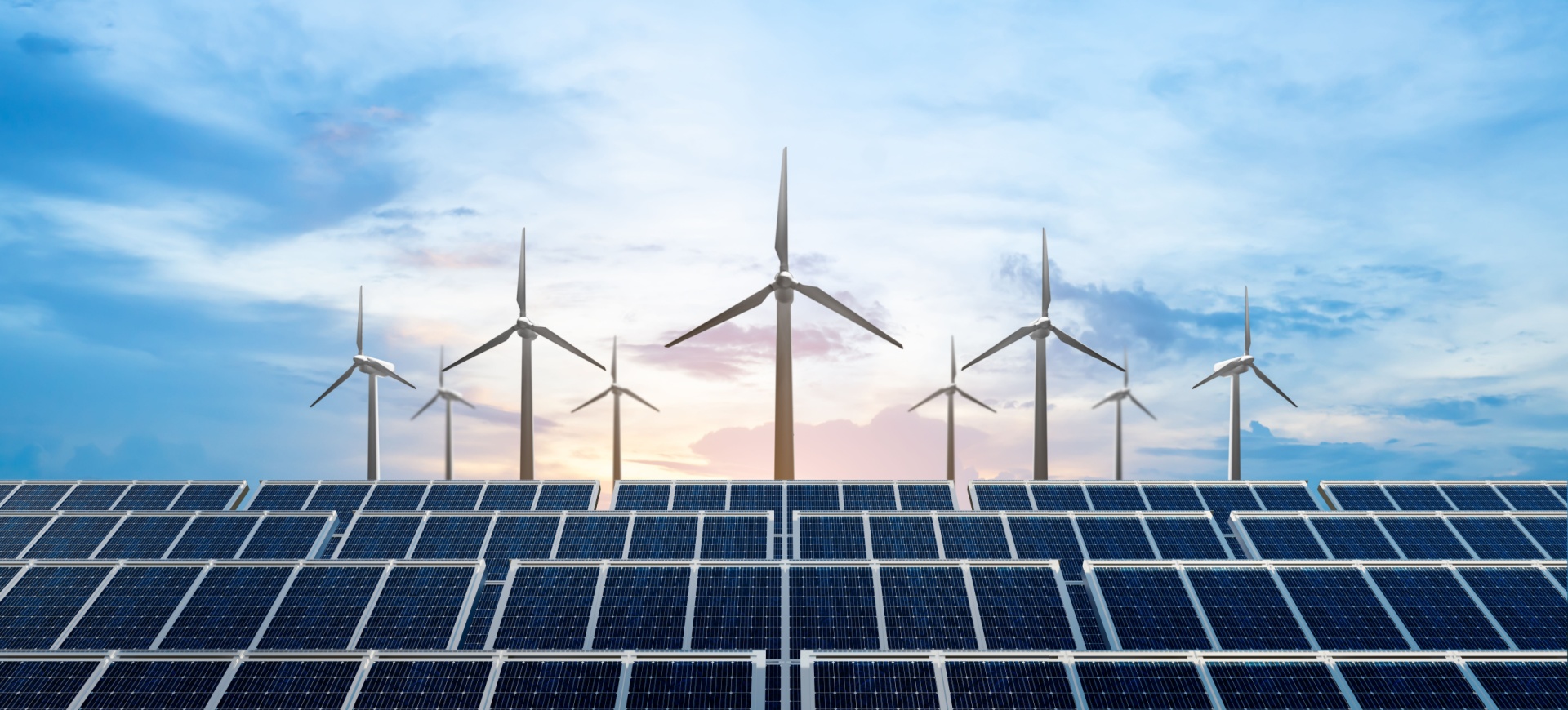
The greatest threat to our societies and future generations involves the very future of our planet. The implementation of the Paris Agreement on climate change, which was adopted in 2015, is a vital necessity and must be supported by the G7 in the lead-up to the 24th Conference of the Parties in December in Poland. We must now urgently commit to a viable trajectory for the transition to low-carbon economies and to slowing the disturbing pace at which biodiversity is disappearing, for we have no Planet B. The G7 bears a major responsibility in this area. It can also highlight the immense economic opportunities of this transition to green economies. We must show ourselves to be innovative and entrepreneurial. This is why I welcome the initiative taken by Canada to put ocean conservation on the agenda for the Charlevoix Summit.
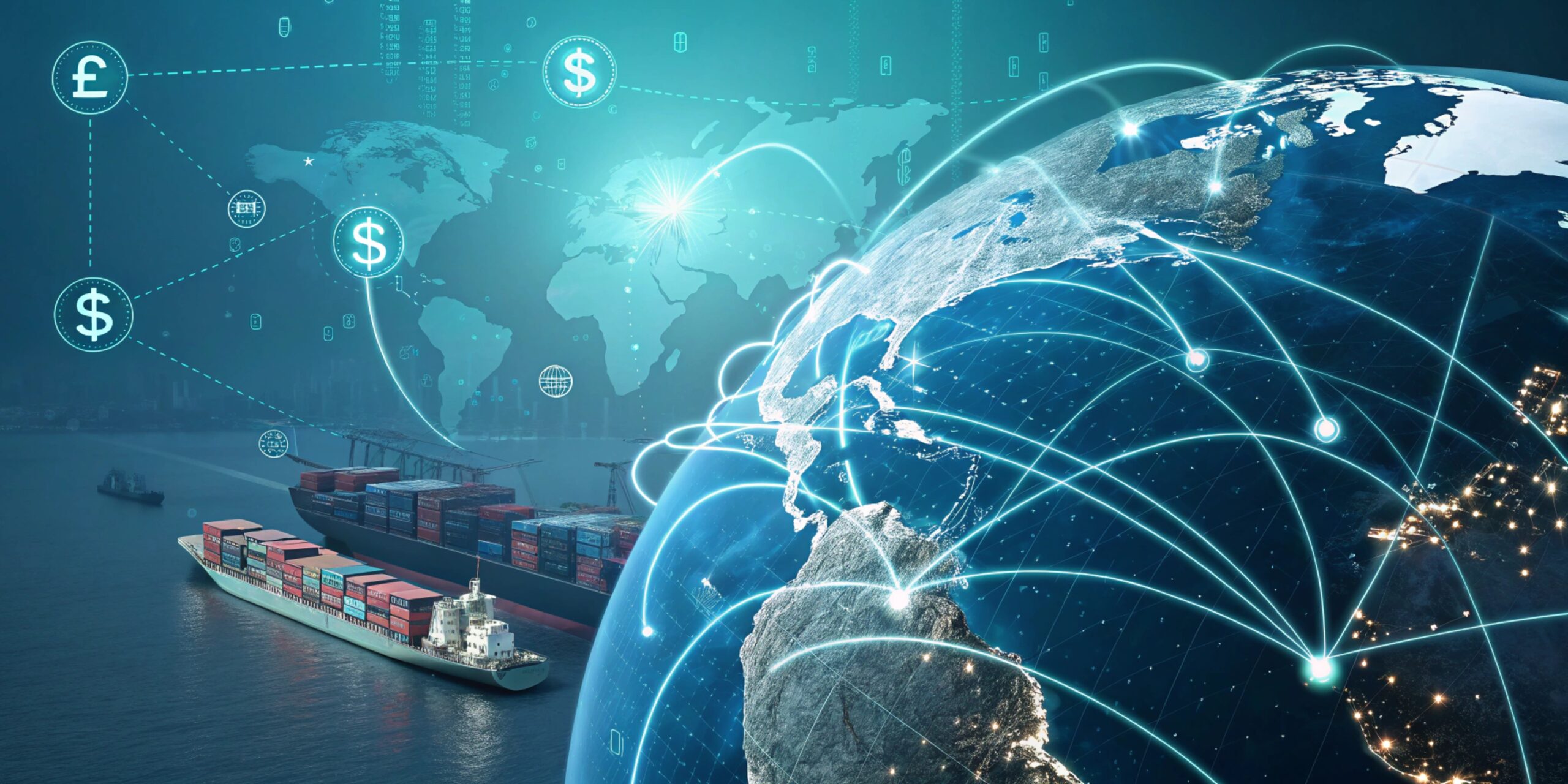
We must rethink globalisation and build intelligently regulated market economies. At Davos, I stated my wish to develop, jointly with our international partners, a globalisation designed to protect, share and invest, a globalisation our people can identify with. I salute the commitment of the Canadian G7 presidency to advancing a model of inclusive growth.
To achieve this, we must have free and fair trade. In the face of legitimate concerns regarding trade imbalances and aggressive trade practices, we must cooperate, strengthening multilateral regulations and making the World Trade Organization more effective. We must also understand the impact of the digital economy on employment and take steps to make sure that everyone can benefit from the technological boom, while at the same time protecting private life and personal data. This is why artificial intelligence is central to the work done by the G7, as we strive to find the right balance between innovation and ethics, and come together to anticipate the evolution of the societies and economy of tomorrow.
Beyond these major matters, the responses made by the G7 assume even greater legitimacy when they bring together non-state actors and civil society in the broad sense; this is the key to success. Canada has succeeded in securing exemplary participation by youth, women, non-governmental organisations and the academic community throughout the preparations for the Charlevoix Summit.
Because the G7 must make progress on the major issues of the moment, because the questions requiring its attention are major, because it is necessary to defend the achievements of multilateralism, I see the scope of the task that will fall to France in 2019, when it will in turn chair this group. A century after the end of the Great War, let us not repeat the errors of the past; let us remain vigilant, moved by a desire to take collective, pragmatic and effective action.