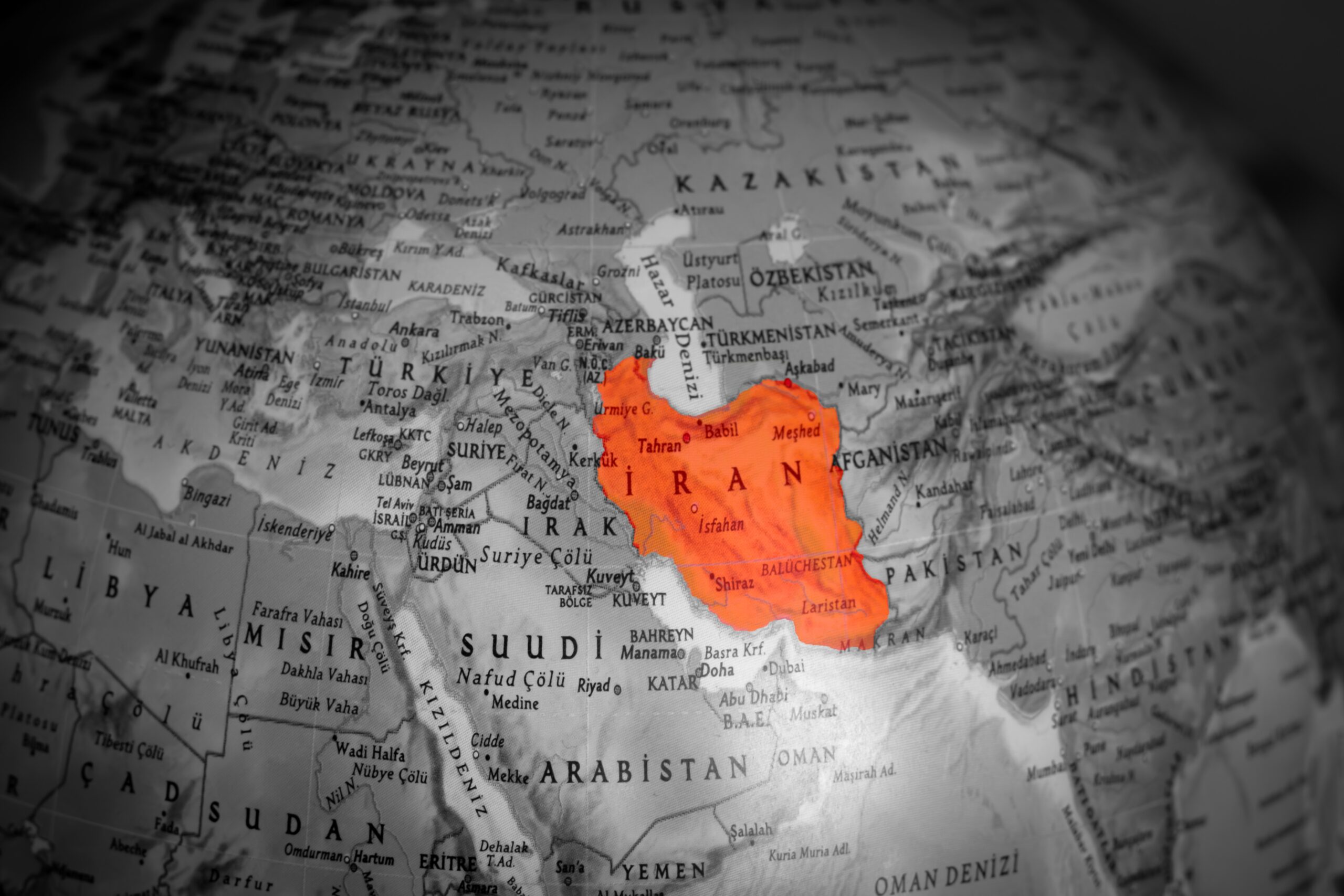



The global economy continues to show resilience but is being tested. Growth in gross domestic product was higher than expected in the second half of 2025, reaching 3.4% year on year in the third quarter and 3.2% in the fourth quarter, which lifted the outlook for 2026. However, the most recent outbreak of conflict in the Middle East and the resulting energy shock have weakened growth prospects and increased inflationary pressures. The Organisation for Economic Co-operation and Development now projects global growth at 2.9% in 2026 and 3.0% in 2027, with significant downside risks should the conflict and associated supply chain disruptions escalate.
The G7 continues to play a key role in enabling dialogue and international cooperation in support of shared prosperity. For more than 50 years, the G7 has brought countries together to bridge differences, forge consensus and drive coordinated action on common challenges. This year, the OECD will continue our longstanding engagement with the G7, supporting the French presidency’s agenda on enhancing the foundations for stronger, more resilient and sustainable growth with our data, analysis and evidence-based recommendations.
Rewiring Global Trade for Resilience and Stability
Strengthening the resilience of supply chains while preserving the benefits of open markets and the rules-based global trading system remains a key priority. Global trade and production remain deeply interconnected, with around 60% of global trade comprising intermediate goods. OECD analysis also shows that supply chains have become more concentrated and more exposed to disruption. Across nearly 4,800 traded products, the share of import-concentrated goods was about 50% higher in the early 2020s than in the late 1990s. Our evidence also shows that addressing high concentration by only relocating production domestically would reduce global real GDP by more than 5%, while creating new vulnerabilities to shocks.
Addressing global imbalances will play an essential role in strengthening the rules-based trading system. A common understanding of the extent of global imbalances, their drivers and possible policy responses can foster more balanced growth and lower the risk of disruptions. The OECD is providing analysis on the structural and sectoral drivers of global imbalances, drawing on the MAnufacturing Groups and Industrial Corporation (MAGIC) Database to provide insights on the impact of industrial subsidies.
Strengthening economic connectivity and ensuring diversified, well-functioning markets, including for critical minerals, are also key to enhancing both resilience and efficiency. The OECD is contributing evidence from its Corridors’ Connectivity Scoreboard to help policymakers assess the economic impact of infrastructure investments. The OECD is also supporting the operationalisation of G7 leaders’ commitments under their Critical Minerals Action Plan, leveraging its work on mineral traceability to foster standards-based markets and resilient critical mineral supply chains.
From Coordination to Action: Delivering Structural Reform
Mobilising investment and strengthening development partnerships are also essential. Financing needs in developing countries continue to grow, at a time when official development assistance budgets have become increasingly constrained. OECD data show that official development assistance fell by over 7% in real terms in 2024, after several years of growth. Increasing the effectiveness of ODA, mobilising more private finance at scale and boosting opportunities from global supply chain integration will ensure that developing countries have access to the resources they need to achieve sustainable growth. The OECD contributes to these efforts by providing comprehensive data on development finance flows and through our Blended Finance Guidance and our Foreign Direct Investment Qualities Policy Toolkit. The ongoing review of the Development Assistance Committee is helping to ensure that development cooperation remains fit for purpose.
Artificial intelligence offers massive potential to boost productivity and growth. OECD estimates indicate that, depending on the pace of adoption, AI could contribute between 0.2 and 1.3 percentage points per year to labour productivity growth in G7 countries over the next decade. Unlocking this potential requires creating the right enabling conditions, including investing in digital infrastructure and skills and establishing appropriate safeguards. The OECD is supporting safe, secure and trustworthy AI adoption through ongoing revisions to the Hiroshima AI Process Reporting Framework, focusing on transparency, good governance and sound AI risk management processes. The OECD is also developing an online tool to assess and support AI readiness for small and medium-sized enterprises and is engaged in further work on minors’ safety online, digital policy and productivity.
Together, we have an opportunity to strengthen the foundations for future growth. Ambitious reforms are needed to address the structural issues that have long held back growth, including supporting better functioning global markets, accelerating technological adoption for stronger productivity and innovation, and fostering stronger partnerships for sustainable development. The G7 plays a central role in providing political direction and coordination for these reforms, which the OECD will continue to support through evidence-based analysis and practical policy insights.