

Nairobi Signals a New Era in Global Health Leadership
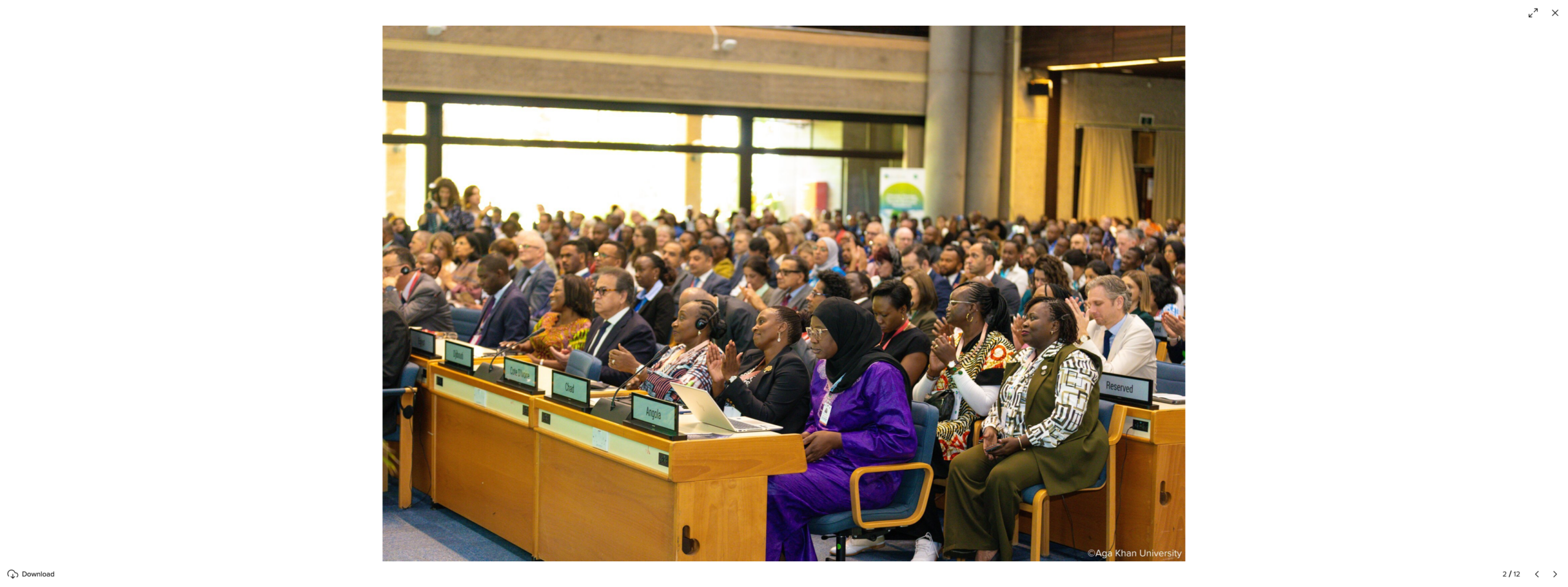
The President of Kenya, H.E. Dr. William Samoei Ruto, aptly conveyed the unifying mood and approach at the WHS Regional Meeting in April 2026: the continent is making significant strides towards health sovereignty, as well as sustainable financing and coverage. The meeting was hosted by the Aga Khan University in Nairobi for the WHS Academic Alliance,2,3 with the WHO Regional Office for Africa (WHO), the Africa Centres for Disease Control and Prevention (Africa CDC) and the Kenyan Ministry of Health as convening partners.
The success of the meeting indicates a remarkable shift in health leadership and could serve as an example of successful multilateral collaboration. Indeed, 16
ministers of health from Africa and Europe joined the meeting in Nairobi, thereby emphasising the importance of health and the need for international cooperation.
From the WHS Regional Meeting to the G7 Agenda
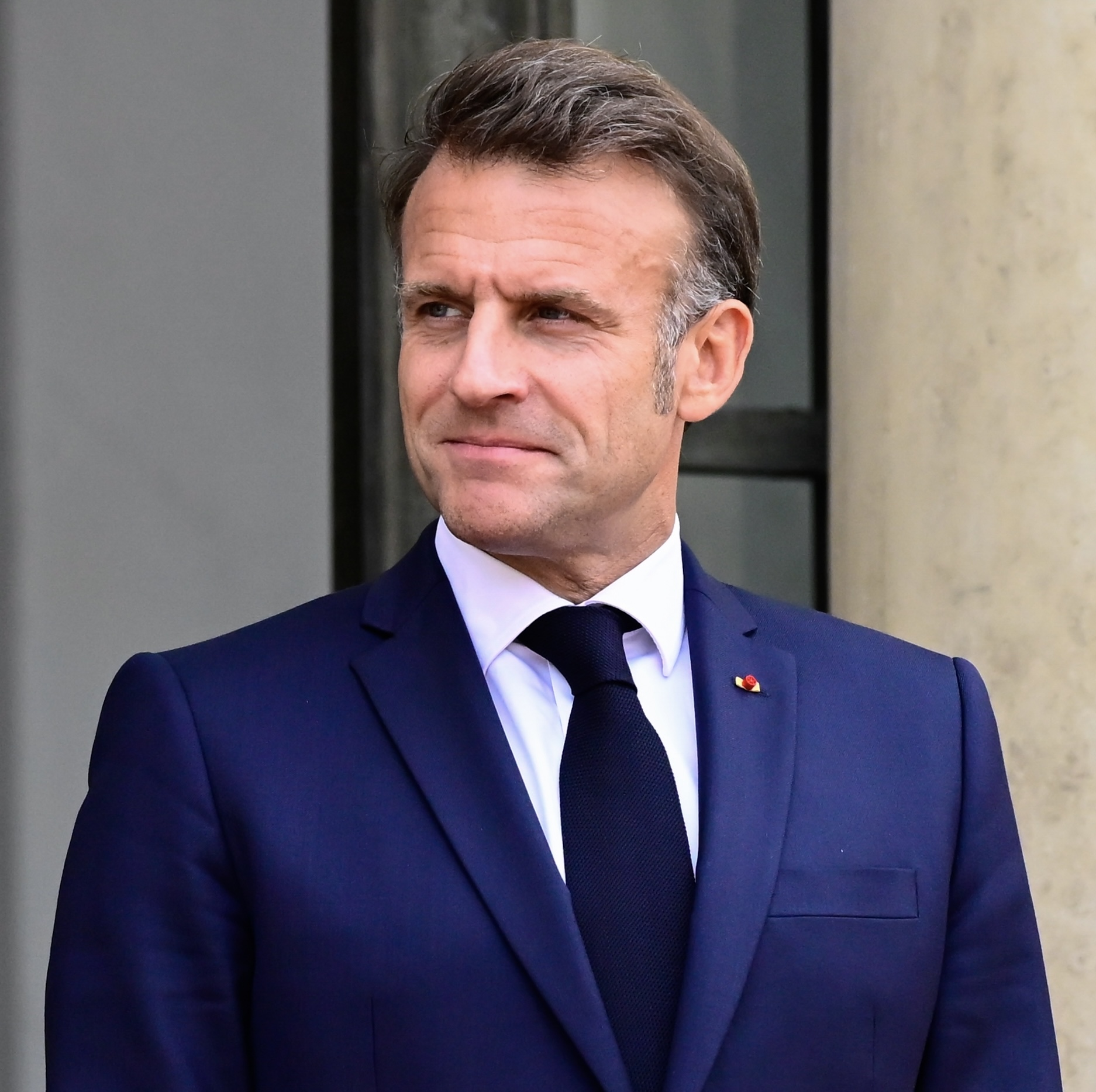
This collaborative and optimistic spirit carried by the WHS Regional Meeting should be transferred to the G7 summit, hosted by France in June 2026. It is a strong signal that, in these troubling times, French President Emmanuel Macron has invited Kenyan President Ruto to the G7 summit in France. The leaders of India and Brazil, Narendra Modi and Luiz Inácio Lula da Silva, have also been invited by Macron.
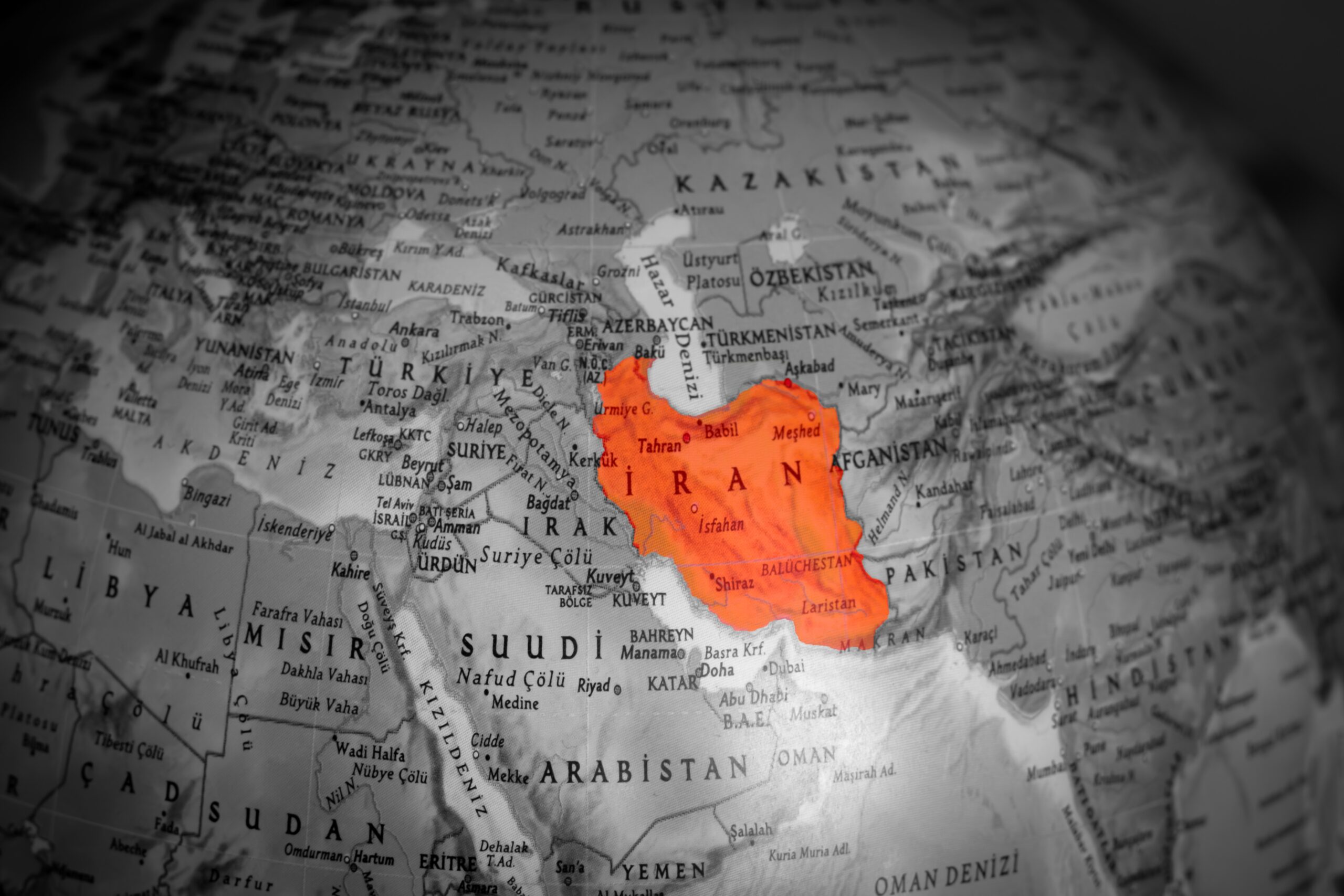
The backdrop to this G7 summit is the many armed conflicts around the world, such as the wars in Ukraine, Gaza, Sudan and Iran as well as an increasingly tense diplomatic situation with a gridlock in the Security Council. This situation does make it very clear that the G7 summit cannot achieve its mandate acting as an exclusive gathering historically dominated by a few countries; instead, it needs to open itself to a changing world.
Reshaping Global Health Financing
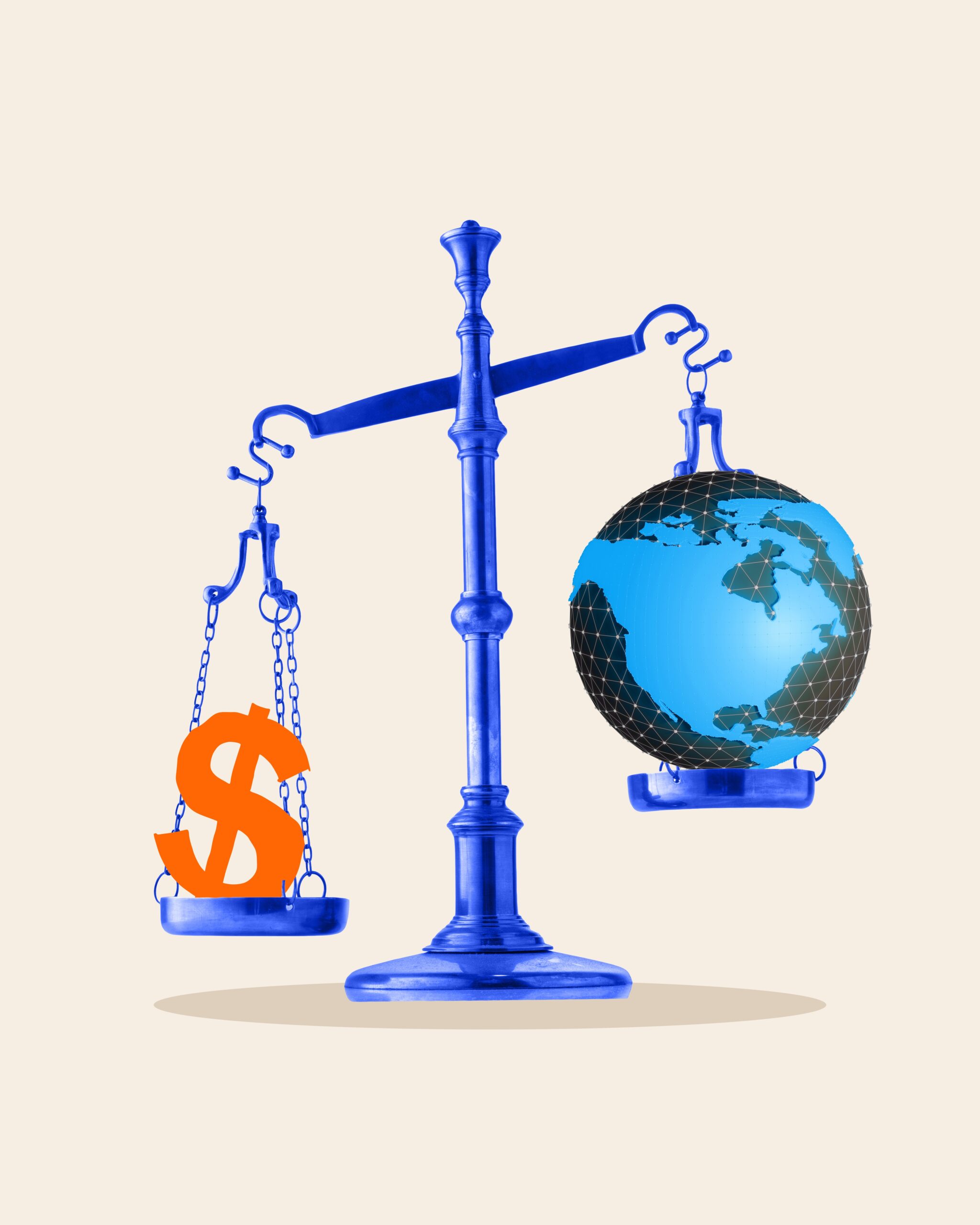
The recent, disruptive changes in global politics have severe repercussions for the global health architecture, which has to accommodate massive changes in financing and governance mechanisms. The sudden withdrawal of the United States from the WHO and the drastic reduction in official development assistance (ODA) by the US has immediate and destructive consequences. However, we have also seen more gradual reductions of ODA by several other donor states, reflecting a change in the global economic power distribution. Thus, this moment signals the need and opportunity to adapt concepts, mechanisms and support for health care with the aim of achieving more sustainability and sovereignty in the long term.
Countries, especially in Africa, which were traditionally dependent on ODA financing for their health systems are increasingly taking responsibility for strengthening local ownership. To
adequately equip healthcare systems, recent estimates suggest that around 10 to 15% of national budgets should be allocated to health as an investment in well-being, prosperity and security.4
At the WHS Regional Meeting, many innovative approaches to achieving this goal were presented and discussed, such as Africa CDC’s launch of the African High-Level Ministerial Committee on Global Health Architecture Reform. Kenya and WHO AFRO have also reaffirmed their commitment to expanding local pharmaceutical and health product manufacturing. Both local and global solutions are needed to meet this target.5
Redefining Partnerships for Health Sovereignty
While many African countries are already reinventing their role, traditional donors including Canada, Japan and Europe must now develop a position towards genuine partnership that entails co-defined activities and mechanisms. The relationship should also be driven by a transparent deliberation of the objectives, benefits and contributions for all parties involved. Only then, will the interaction be effective and sustainable, with collaborations to be expanded.
During the Nairobi meeting, local manufacturing of medical goods was discussed as one of the main strategic avenues towards Africa’s health sovereignty. Europe could serve as an enabler by offering support where it is still needed and, in turn, benefit from stronger trade partnerships on an equal footing.
However, structural rigidity and outdated concepts still hinder Europe and the EU from playing a more active role, and at times they even act as roadblocks. We need to consider pricing, intellectual property rights, logistics, local regulations and security concerns to reach those new and mutually beneficial partnerships. This includes both the distribution of essential medicines and the development of local manufacturing ecosystems.
Africa’s Self-Determined Health Future
During the WHS Regional Meeting in Nairobi, speakers and participants repeatedly stated that Africa’s healthcare systems were originally designed by colonial powers. Their administrations were under the assumption that local health care should deliver low-cost medicine to a population which was purportedly unable to contribute its own share. The inadequacy of this approach is obvious.
In the current environment, critical steps towards sustainable health systems are being taken, including the replacement of out-of-pocket financing by universal health insurance coverage based on appropriate budgeting concepts.
These developments are reflected, for instance, by the strategy for health sovereignty that Africa CDC has presented and the Accra Reset, spearheaded by the President of Ghana John Mahama.6,7 To allow alignment of healthcare systems with Africa’s self-defined needs, timely and important efforts to restructure health care across the continent deserve full support by the G7 and development banks.
The optimism and determination inspiring the WHS Regional Meeting in Nairobi can hopefully be carried forward in the months ahead, to Évian-les-Bains and the G7 leaders.
1. Opening ceremony for the World Health Summit Regional Meeting 2026, UN Web TV. Accessed May 11, 2026. https://webtv.un.org/en/asset/k11/k11e29496x, 2. WHS Academic Alliance. Accessed May 11, 2026. https://www.worldhealthsummit.org/about/whs-academic-alliance, 3. World Health Summit Regional Meeting 2026, The Aga Khan University. Accessed May 11, 2026. https://www.aku.edu/mcea/Pages/whs.aspx, 4. Jamison DT, Summers LH, Chang AY, et al. Global health 2050: the path to halving premature death by mid-century. The Lancet. 2024;404(10462):1561-1614. doi:10.1016/S0140-6736(24)01439-9 5.Pries AR, Schicker C, Kickbusch I, Fislage M. Think Global, Fund Global. (11)., 6. Kaseya J. Africa’s Health Security and Sovereignty agenda: a new way forward. The Lancet. 2025;406(10518):2394-2396. doi:10.1016/S0140-6736(25)02315-3 7.President Mahama & Global Leaders Launch the Accra Reset at UNGA 2025. – The Presidency, Republic of Ghana. Accessed May 11, 2026. https://presidency.gov.gh/president-mahama-global-leaders-launch-the-accra-reset-at-unga-2025/