


In the quarter century since the terrorist attacks on the United States took place on 11 September 2001, the global threat of terrorism persists, with thousands killed in 57 countries in the past year. Africa,
particularly the Sahel, remains the hardest hit, followed by South Asia and the Middle East. But no region is immune.
Most countries have taken extensive measures to prevent terrorism, including by implementing United Nations Security Council resolutions. This year marks the 20th anniversary of the UN General Assembly’s Global Counter-Terrorism Strategy, which commits all countries to a balanced response that combines law enforcement with respect for human rights and the rule of law. The Global Strategy also urges countries to address the “conditions conducive to terrorism”, which include poverty, political exclusion, human rights violations and protracted unresolved conflict.
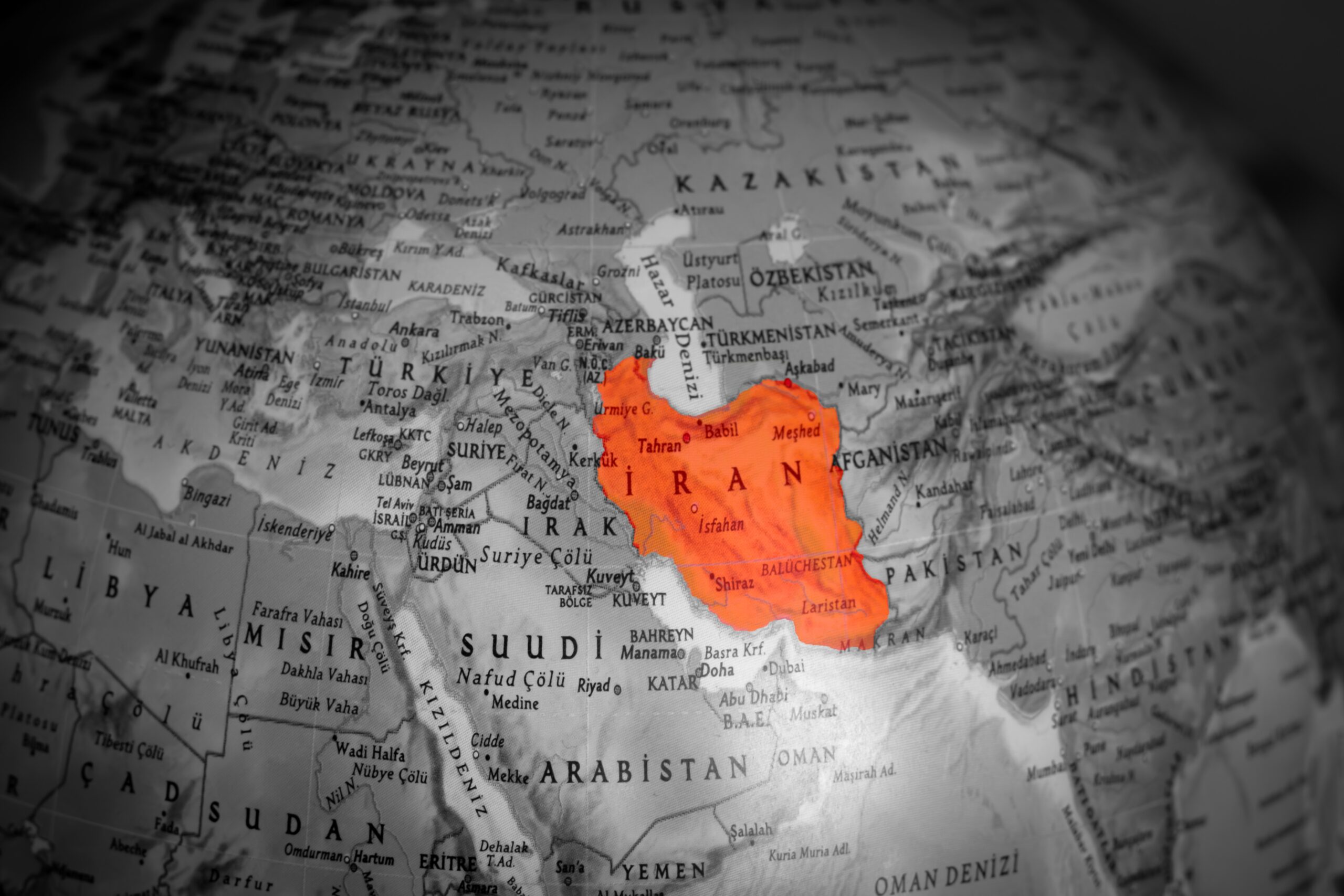
Yet, despite these promises, the world has lately been plunged into a new dark age of abuses and impunity. Wars of illegal aggression on the pretext of countering terrorism have been launched in Iran, Syria, Lebanon and Venezuela, shattering the basic rules of the UN Charter that have underpinned the international order since 1945.
A dramatic decline in respect for international humanitarian law has marred these and other counterterrorism campaigns, with fundamental rules on protecting civilians being broken in Gaza and beyond. ‘Wars on terror’ with catastrophic human consequences have been enabled by states with influence that fail to use that influence to ensure respect for international law by others or, worse, have assisted atrocities through arms and munitions, intelligence or political cover.
Expanding powers, diminishing safeguards
There has been a collective failure by the international community to prevent illegal wars and international crimes, and to ensure remedies and accountability for victims. The Security Council has repeatedly proved paralysed in the face of law breaking. Impunity for violators has contagiously stoked more law breaking.
Other trends are alarming. A phoney war on ‘narco-terrorism’ has taken hold in the Americas, resulting in hundreds of unlawful killings on the high seas, summary deportations and mass imprisonment in inhumane conditions. Globally, new counterterrorism technologies, including artificial intelligence, are making harassing civil society cheaper and easier. Transnational repression, physical and legal, is an alarming growth industry.
Traditional abuses in countering terrorism remain rife, including extrajudicial killings, enforced disappearances, torture, arbitrary detention, unfair trials and misuse of the death penalty. Abuses are enabled by vague and overbroad definitions of terrorism and offences, and excessive law enforcement and intelligence powers. The designation of individuals and groups as ‘terrorist’ or ‘extremist’ is a growing source of abuse. Overbroad counterterrorism sanctions and terrorist financing and support offences continue to undermine legitimate humanitarian activities, target non-profit organisations and erode civic space.
These are hard times for human rights, when even the pretence of respect for international law is being stripped away. Despite these challenges, United Nations human rights mechanisms and their civil society partners continue to diligently document violations, to advocate privately and publicly for accountability for perpetrators and remedies for victims, to inform the public, and to build new coalitions in defence of human rights. Many small daily victories go unreported.
Reclaiming accountability
G7 leaders can play a vital role in empowering the global and national defence of human rights. The G7 should more actively condemn violations and combat impunity, including holding each member to account. It should impose real costs on violators, including sanctions where appropriate.
The G7 should denounce attacks on human rights and justice institutions, including the International Criminal Court, the Human Rights Council, the United Nations Relief and Works Agency for Palestine Refugees, and non-governmental organisations.
The G7 should vigorously combat reprisals against civil society, and more actively engage civil society in countering terrorism, including to monitor human rights violations and promote accountability and remedies.
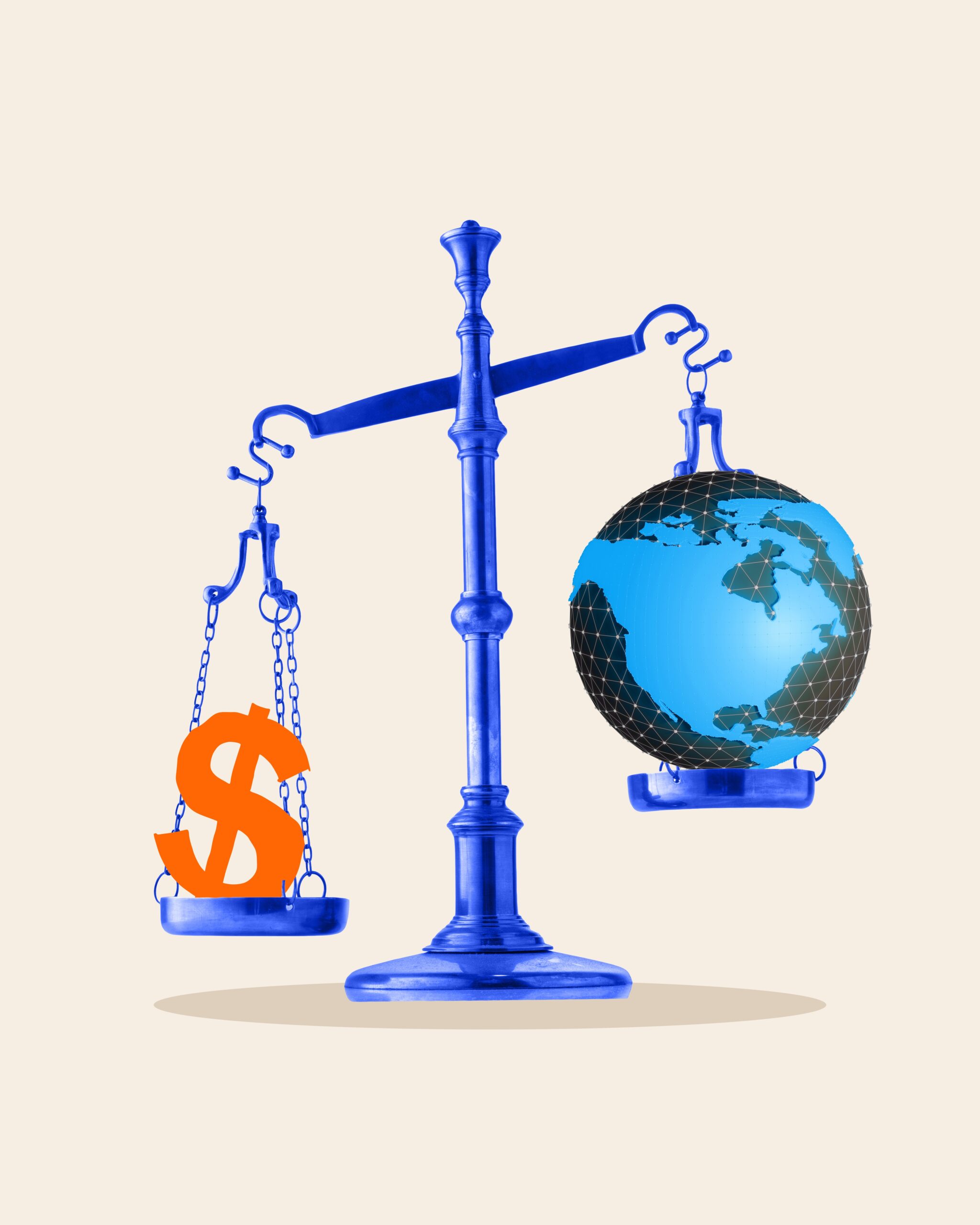
The G7 should mobilise greater economic resources for human rights, at a time when the goods that prevent terrorism from spreading – human rights, humanitarian relief, development and peace making – have been drastically defunded in order to buy weapons, and the United Nations is crippled by a liquidity crisis.
The G7 should promote human rights–compliant global and national regulation of artificial intelligence, without loopholes for law enforcement, national security and military uses.
The G7 should also push to resolve the century-old failure to internationally define terrorism – the legal black hole at the heart of so many contemporary human rights violations.
Protecting human rights is essential not only to safeguard human dignity, but also to ensure that counterterrorism efforts are legitimate and effective – and do not fuel grievances that can radicalise new generations of terrorists.