

Why is strengthening nuclear safety so critical, in the wake of the attacks on Ukraine’s and Iran’s nuclear facilities?
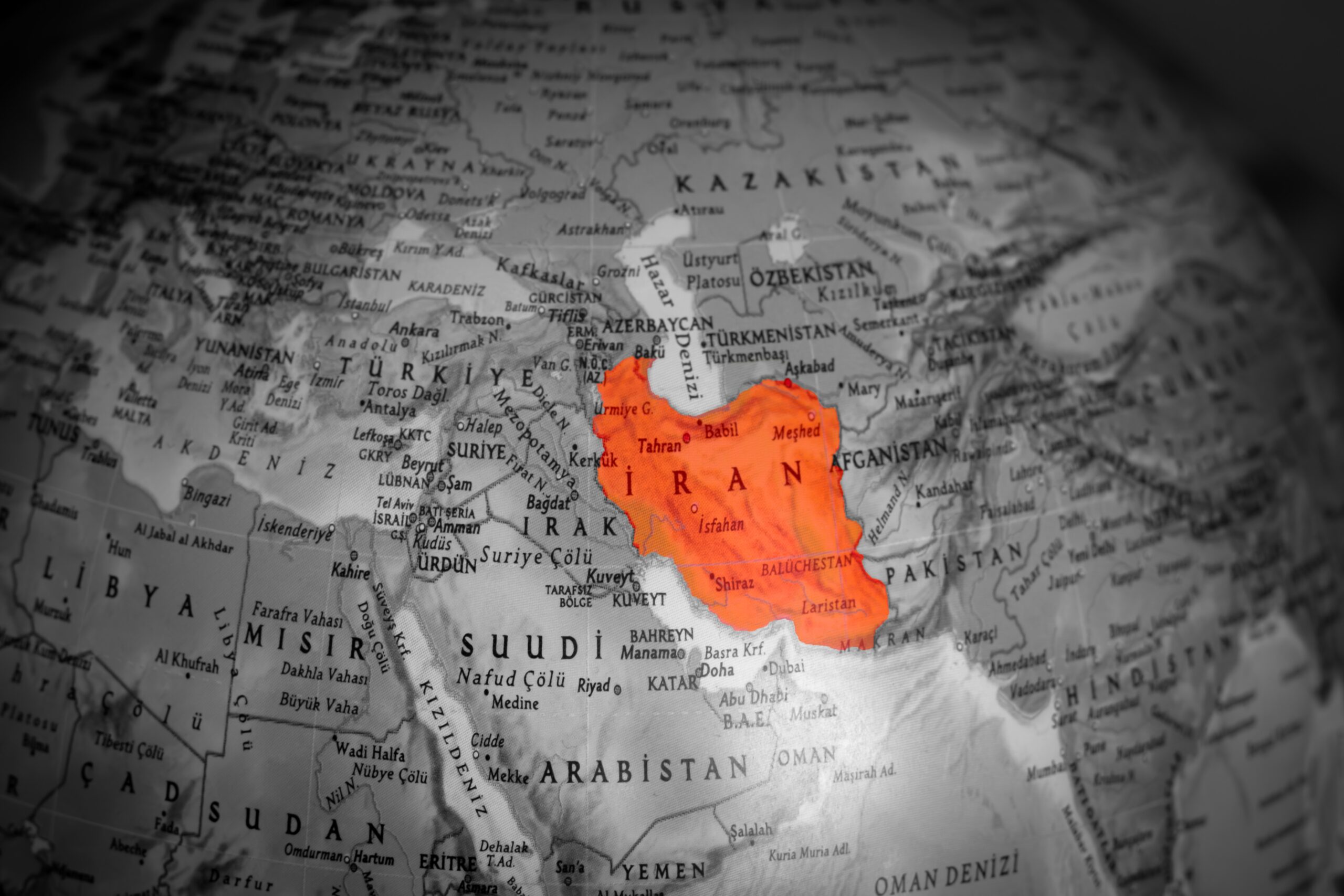
War is a new dimension in nuclear safety. That a war is being fought around the facilities of a large nuclear power programme is unprecedented, but this is the situation we find ourselves in Ukraine. And then came the strikes on Iran’s nuclear facilities and the war in the Middle East. Right now, war is the single biggest threat to nuclear safety.
The International Atomic Energy Agency is very involved. We are on the ground in Ukraine at all the nuclear power plants. We have developed the Seven Pillars of Nuclear Safety and Security. We have been very clear that nuclear facilities must not be attacked because this would risk an accident with radiological consequences. I have been clear about it with regards to both the conflict in Ukraine and the conflict in the Middle East. The IAEA is keeping the international community updated on the impacts of these conflicts on the seven pillars, bringing an important level of transparency through our technical expertise and our global reach.
How has the IAEA been working, given the constraints of geopolitical competition?
In Ukraine, we have been at the front lines – literally. Some 180 staff members have been deployed at Ukraine’s five nuclear power plant sites. More than 220 deliveries have ensured that nuclear safety and security equipment worth over €25 million has reached Ukraine. I have negotiated multiple cease-fires to allow for repairs of electric infrastructure critical for nuclear safety.
On Iran, I have been emphatic: any agreement will need the IAEA to verify that it is being kept. Without that, you will not know whether it will be complied with or not. Geopolitical competition is real. But all sides understand that an impartial technical body ultimately serves their interests.
There is no room for complacency and it is my job to use diplomacy to support the IAEA’s member states and to fulfil its mandate – that’s arguably even more important at times of tension and competition. I have used my role as an impartial, honest broker in many ways, for instance, in speaking with both the leaders of Ukraine and the Russian Federation about the safety of nuclear power plants and in brokering multiple cease-fires so repairs to critical powerlines could be made. I have travelled often to Tehran to discuss ways to find progress, and I supported past international talks, making clear what the IAEA knows about Iran’s nuclear programme and where questions remain. In Syria, I met the new leadership at the highest levels to agree a process to resolve and close the outstanding safeguard issues to do with Syria’s past nuclear activities – an important step to bringing Syria back into the fold of the international
community.
What progress has the IAEA made, and what tasks and challenges remain?
The IAEA – that means the agency and its more than 180 member states – have made much progress. First, nuclear energy is back on the table and there is now a global consensus that we need it, together with renewables, to meet energy security and environmental goals. Just a few months ago France’s President Emmanuel Macron hosted the second Nuclear Energy Summit in Paris, where the direction in favour of nuclear was clear, even from the European Union. That is very different from just a few years ago when an ideologically driven negative view of nuclear power was still widespread and many countries were shrinking rather than growing nuclear power programmes. Since last year, the World Bank has lifted its block on getting involved with nuclear energy and other development banks are following. And we have made enormous progress through IAEA initiatives such as Rays of Hope, building cancer centres and delivering CT scanners and mammography machines and training people. Through Atoms4Food we are developing crops that can withstand heat and drought. All these are nuclear applications or techniques, and they help address some of the biggest
challenges of developing countries.
We have made progress in safeguards too, where our inspectors are verifying more and more material and facilities. The safeguards regime has been strengthened through the Additional Protocol and the updating of the Small Quantities Protocol.
But there are challenges. One that concerns me greatly is that in several countries there is a growing perception that perhaps having nuclear weapons could be good for national security. Nothing is further from the truth. This is where G7 leaders at Évian could send a clear message: Nuclear non-
proliferation is in everyone’s interest, as are nuclear safety and security. That is always important – especially now that nuclear energy capacity building is back and we are in a world where international norms are thinning.