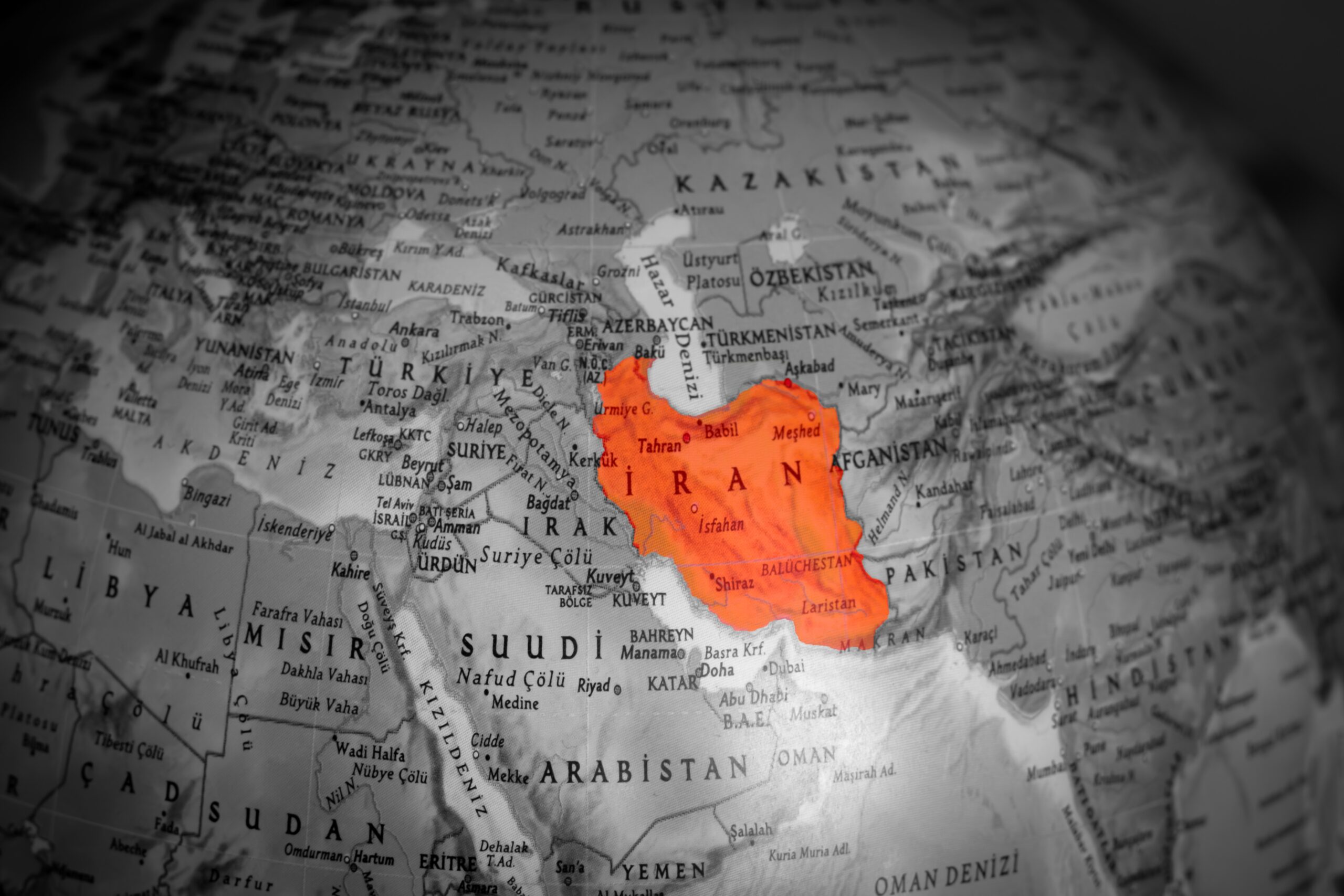


The wars in Iran and Ukraine have returned energy security to the centre of global politics, reviving memories of the 1970s oil shocks. Iran’s strategic position means that even limited disruptions to the Strait of Hormuz trigger price spikes, market volatility and renewed pressure to diversify supply chains.
France’s G7 presidency intends its Évian Summit to foster unity on releasing oil and gas reserves, funding alternative pipelines and boosting renewables. Leaders will likely focus on diversification of liquefied natural gas supplies, nuclear energy’s stabilising role, expanded cross-border grid integration and critical mineral supply chains – essential to battery production and the infrastructure supporting the clean energy transition.
Deliberation
Energy has been a defining issue since G7 summits started. When leaders first gathered, in 1975 in the wake of an oil crisis, energy topped the agenda. It has since averaged 11% of communiqué words per summit. Only the 1985 and 1988 summits had none.
From 1990 to 2004, attention fluctuated, peaking at 9% in 1991 and sliding to 0.4% in 2002. The decade from 2005 and 2014 brought renewed emphasis, reaching 38% in 2009, compared to 3% in 2005.
From 2015 to 2021, attention declined, from 13% in 2015, to 4% in 2018 and 2021, and none in 2020. Russia’s invasion of Ukraine spurred it up to 22% in 2022 and 2023. It fell to 11% in 2024 and 12% in 2025.
Commitments
From 1975 to 2025, G7 leaders produced 658 energy commitments – second only to commitments on development.
The earliest years, between 1975 and 1983, generated 113 energy commitments. The 1979 summit, convened amid another oil shock, made 43 (77%) energy commitments. From 1984 to 1996, energy pledges declined to three in 1991 (6%), the only year in that period with energy commitments.
From 1997 to 2005, the number rose to 57 (27%).
The 2006 G8 summit, which Russia hosted, made 78 (24%) energy commitments. Since then, there were highs of 41 (12%) in 2007 but none in 2013, 2019 or 2020. The 2021 summit produced 14 (3%), up in 2022 to 49 (9%). There was a peak in 2023 with 83 (13%), then a drop in 2024 to 52 (11%). The 2025 summit made two energy commitments (1%).
By proportion, the 1979 summit accounted for the largest percentage of commitments on energy, at 77%, and 2025 had the lowest, excluding the years with none at all. Among the energy commitments made since 2012, eight targeted phasing out inefficient fossil fuel subsidies.
The ambition of G7 energy commitments was largely low in the early 2000s, surging with more policy-oriented commitments from 2009 to 2014, declining through 2021, spiking due to the war in Ukraine in 2022, but diminishing since.
Compliance
G7 members have complied with the 33 priority energy commitments made between 2001 and 2024 at a level of 85%, as assessed by the G7 Research Group, outperforming the 78% overall average.

Very high compliance came for 2001, 2018 and 2023 each with 100%; for 2021 and 2022 with 94%; for 2004 and 2006 at 89%; and for 2007 and 2008 at 87%. The lowest came for 2012 at 68% and 2003 at 61%.
By December 2025, the three assessed energy-related commitments made that year averaged 63%.
By member, compliance is led by the European Union at 95%, the United States at 93%, the United Kingdom at 91%, Germany at 88% and Canada at 86%. Below the G7’s 85% energy average come France at 82%, Japan at 79% and Italy at 68%.
Recommendations
Energy compliance depends not only on external energy shocks but also on how G7 leaders design their energy commitments. Years with energy ministerial meetings or commitments creating formal intergovernmental energy bodies have achieved 100%. Those engaging the private sector alongside governments have achieved 95%. Those tied to regulatory frameworks or including deadlines have had 89% and 88% respectively. Ambitious, high politically binding commitments have had 86% compliance, while low binding ones have had 81%. Three commitments made since 2016 that explicitly linked energy to climate, emissions or decarbonisation averaged 86% compliance. But those referencing external agencies or institutions generated only 78%.
To tackle the complex, interconnected challenges of market stability, supply chain security and the transition to cleaner, more resilient energy systems, leaders at Évian should convene a post-summit meeting of energy ministers to build on the two ad hoc meetings already held in March, establish G7 energy institutions, make ambitious commitments with clear deadlines and encourage robust private sector participation.