

How has climate action been harmed by rising geopolitical tensions?
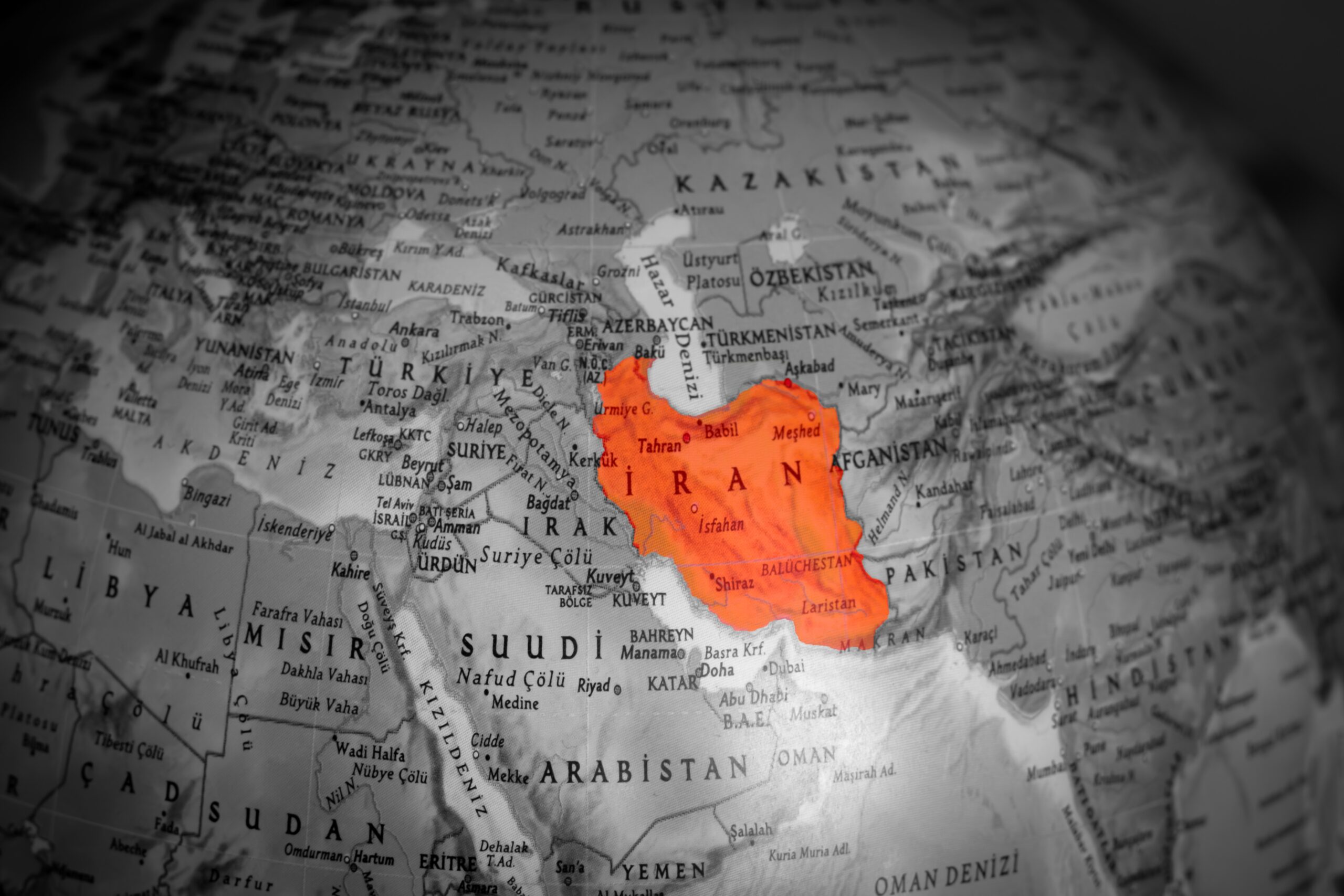
Current geopolitics have created major challenges for both attention to and action on climate change among G7 members. Governments are focused on immediate crises – from wars in Ukraine, Iran and parts of Africa to trade and supply chain disruptions and growing threats to sovereignty. Meanwhile, the climate crisis continues to worsen.
At the same time, we are facing massive amounts of climate disinformation and misinformation, fuelled by fossil fuel interests as well as political and ideological agendas.
All this obscures the reality that we already have extraordinary clean energy solutions. Investment in clean energy in 2025 was double the amount invested in fossil fuels. Solar is now the cheapest form of electricity in history. Battery storage has become far more effective, and costs have fallen dramatically in recent years. As Francesco La Camera, director-general of the International Renewable Energy Agency, has said: “Storage will make renewables dominant in the energy system. There is no doubt.”
So much has changed since I was first named Canada’s minister of environment and climate change in 2015, when I helped negotiate the Paris Agreement and later establish the Powering Past Coal Alliance. At that time, clean energy technologies had not yet reached the scale or affordability needed to make them irresistible options. The good news is that we now have far better solutions at scale, particularly solar, wind, battery storage and electric vehicles.
What are the most urgent threats and key opportunities?
One of the most immediate threats today is the growing link between energy security and affordability. The energy shock caused by the war in Iran and the disruption of shipping through the Strait of Hormuz has driven up oil and gas prices for households trying to heat their homes and power their cars. For oil-importing countries, the impacts have been severe — from cancelled flights and rising inflation to growing risks of recession.
In the short term, countries are scrambling to secure oil and gas supplies. But in the longer term, there is a clear opportunity to reduce dependence on volatile fossil fuel markets through the rapid deployment of renewables, grid modernisation and the scaling up of energy storage. Increasingly, energy security concerns themselves are helping drive the transition to clean energy.
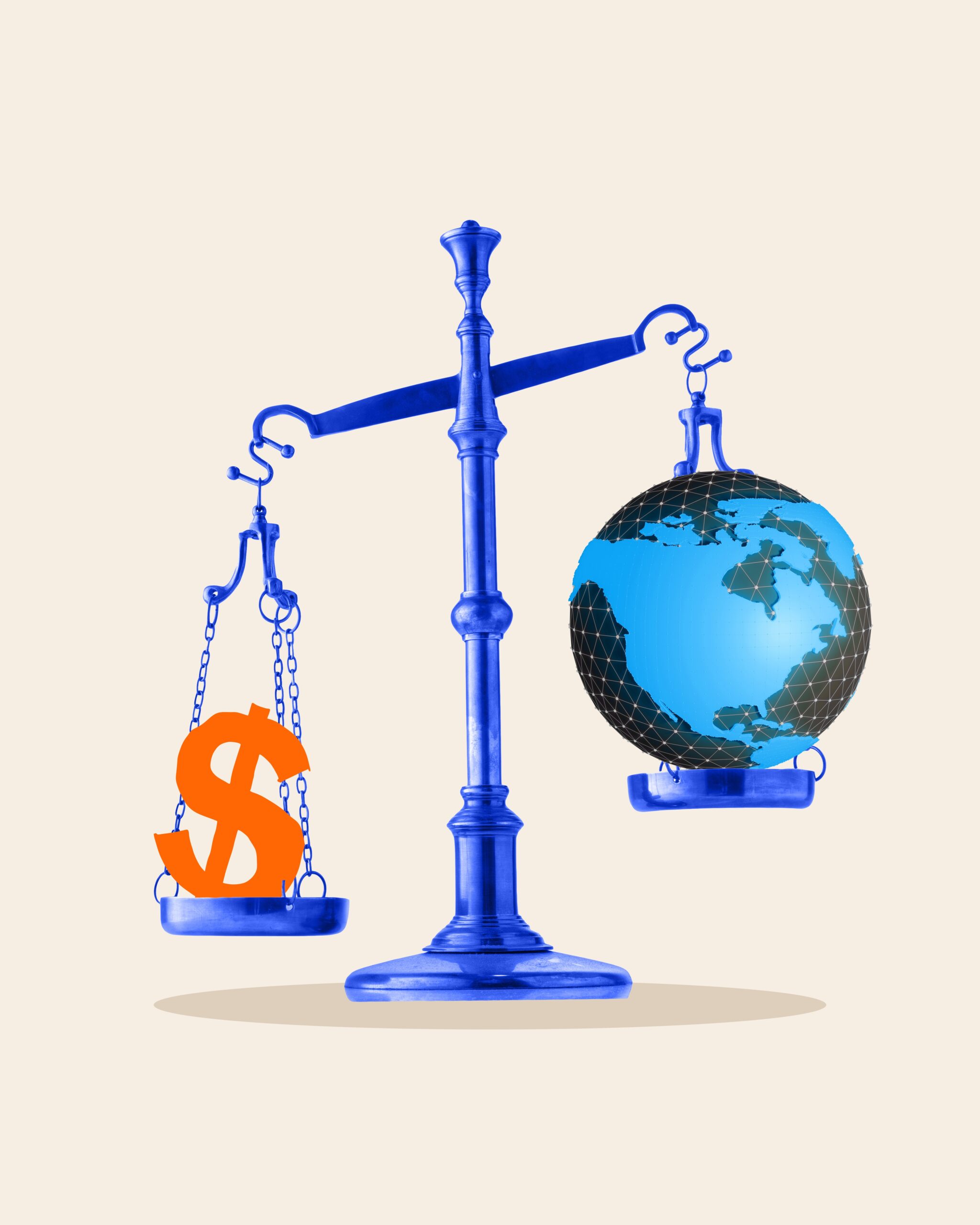
That transition can also be funded by doing what the G7 committed to do years ago: phase out fossil fuel subsidies that channel taxpayer dollars towards highly profitable oil and gas companies. Reinvesting that money in clean energy infrastructure, public transit, home retrofits and electric vehicles would have a major impact on both national budgets and household affordability. It could help people reduce their dependence on oil and gas while lowering energy costs in meaningful and lasting ways.
Back in 1975, when the G7 began, leaders talked about affordability and energy efficiency. G7 leaders should be doing so too at the Évian Summit.
How has the United Nations Secretary General’s high-level expert panel on net-zero commitments that you chair provided guidance on the path forward?
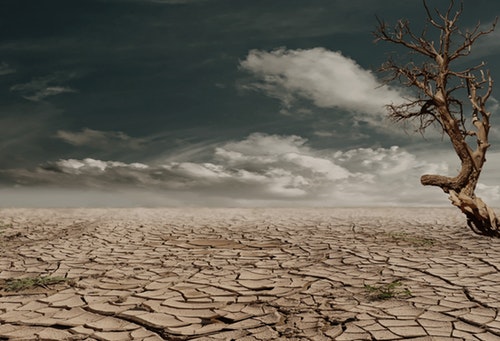
I issued my final report to Secretary General António Guterres at the UN Climate Conference in Brazil last year, ten years after the Paris Agreement. I emphasised that physical risks described a decade ago as ‘over the horizon’ have now arrived. Wildfires, floods, storms and extreme heat are causing hundreds of billions of dollars in annual damages and millions of preventable deaths.
At the same time, the pace of the clean energy transition is exceeding expectations, with solutions now available at scale and at competitive cost.
As a result, the rational path forward is increasingly clear: reduce emissions, scale clean solutions and shift investment from fossil fuels to clean energy.
How have G7 environment ministers’ meetings helped since you were chair in 2018?
In 2018, we believed that if we focused on oceans and plastic pollution, most countries – including the United States under Donald Trump – could find common ground. I chose to use a chair’s summary to allow for greater flexibility and ensure we could achieve real outcomes. We launched an oceans charter and also included climate change in the final summary.
Today, however, countries often feel targeted and are therefore much more cautious, which means little of substance is advanced or agreed upon. At the G7 environment ministers meeting in April, climate change was not even on the agenda.
As Canadian prime minister Mark Carney has said, “middle powers must work together in a world of increasing fragmentation”. The G7 includes both middle and major powers, creating an opportunity to use it as a vehicle for progress, even without the United States on many issues.
G7 leaders should come together for genuine conversations on pressing global challenges. Climate change has long been on the G7 agenda, and it would be absurd to shy away from addressing it now. France has played a leading role on climate and is investing in helping people lower costs through energy efficiency. I hope there is an opportunity at Évian to have a serious discussion.
The climate crisis is worsening, but we now have cleaner, more affordable and more effective solutions. The agenda should include finally phasing out fossil fuel subsidies, advancing energy efficiency, and financing and scaling clean energy deployment in ways that strengthen energy security, grow economies and create good jobs.
How can G7 leaders at Évian help?
The climate solutions are better than ever. The task now is to match the scale of the response to the scale of the challenge – and to do it together.
Leaders would be failing their citizens if they did not use this rare opportunity of being together in a room for two days to make real progress. These are difficult times for the G7. It is time for leaders to show courage and lead.