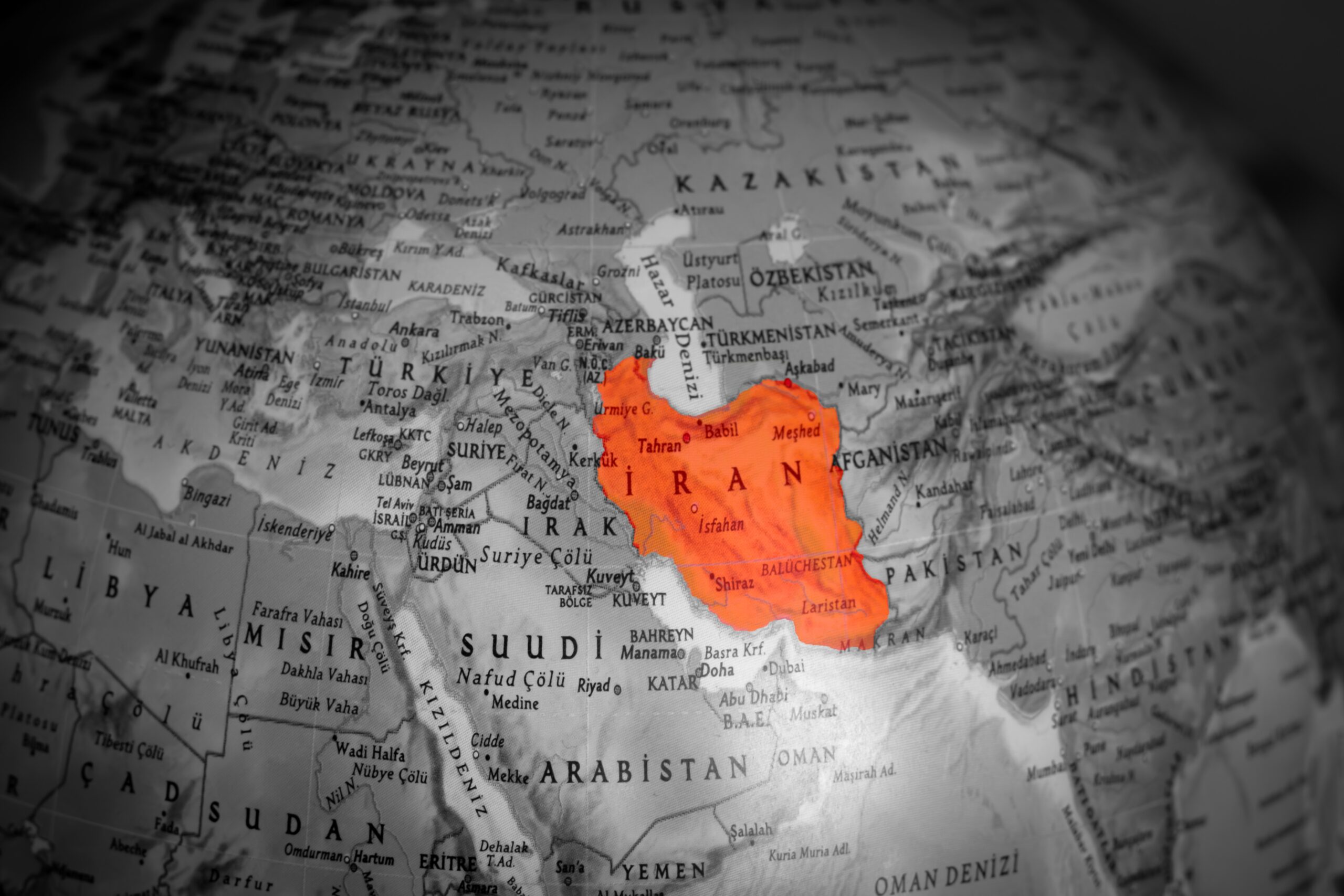


The recent disruption in the Strait of Hormuz has once again exposed the structural vulnerability that defines fossil-based energy systems. The effects of these events will be felt across whole economies, extending beyond energy markets into food systems, transportation and wider supply chains, influencing inflation and economic activity simultaneously. As so often happens, the most vulnerable communities will bear the greatest burden.
From the oil shocks of the 1970s to the Covid-19 pandemic and the war in Ukraine, each major global disruption has strengthened the case for renewables. Yet in the intervals between crises, the urgency faded and structural dependencies were allowed to rebuild. It is different today: the alternative is no longer in question.
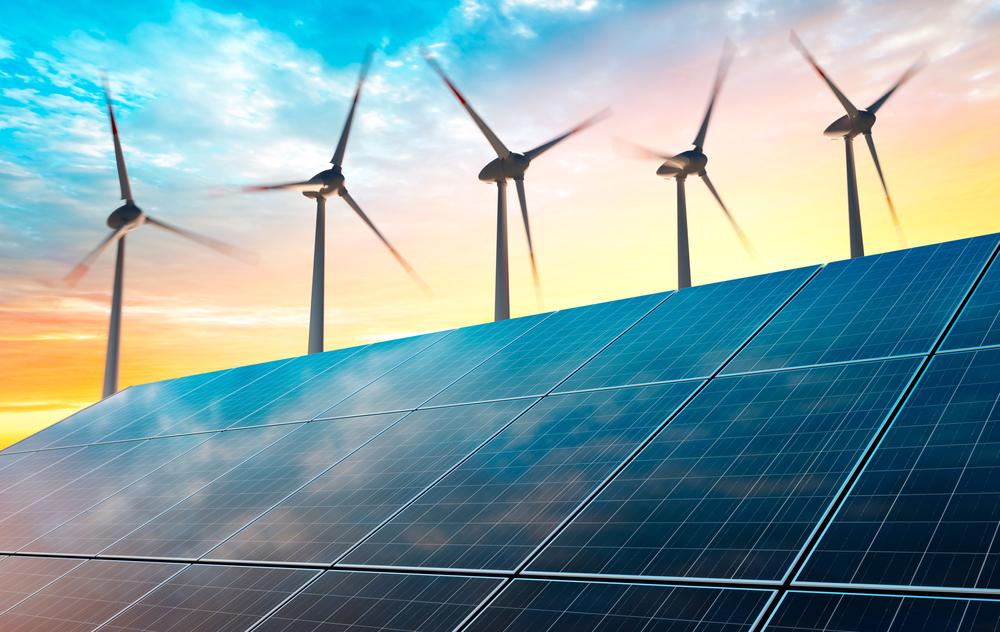
Renewables now represent the majority of all new power capacity additions. In 2025 alone, 692 gigawatts were added, marking the highest annual increase on record, with renewables accounting for almost 86% of all new capacity globally. With 91% of newly commissioned renewable capacity as of 2024 delivering power at a lower cost than the cheapest fossil fuel alternative – well before the current crisis – the direction of travel is clear.
Indeed, the competitiveness of tomorrow’s economies will be largely determined by their ability to move electrons and molecules at the lowest possible cost, and to deliver clean, safe and affordable energy services. As IRENA’s policy advisory, From Energy Crisis to Energy Security, sets out, short-term actions in response to the current crisis in Iran must be anchored in that longer-term vision. Fast movers will gain lasting resilience, productivity and competitiveness advantages over those who hesitate.
From vulnerability to viability
Countries that have invested substantially in solar, wind, batteries and electrification are weathering the present disruption with measurably less economic damage. In Spain, renewables have reduced the role of natural gas in setting power prices to just 15% of the time, and in Pakistan, the rapid deployment of decentralised solar and battery capacity has cushioned both consumers and the broader energy system from the current shock. By accelerating the shift towards renewables, countries are reducing their structural exposure to fossil fuel volatility and limiting the economic and social impacts of future disruptions.
However, progress remains concentrated in a small number of countries, and markets alone will not close the remaining gap equitably. Persistent barriers, including financing gaps, grid constraints and limited institutional capacity, continue to hinder deployment across the developing world and in many advanced economies alike.
This is not a failure of renewable technologies. Rather, for most developing countries across Africa, Southeast Asia and Latin America, the barriers to the energy transition are systemic. Markets are designed based on fossil fuels, grids are neither interconnected nor flexible enough to absorb high shares of solar and wind, and current levels of institutional capacity are insufficient to plan, implement and operate the energy systems of the future.
Time for decisive action
In today’s turbulent times, when trust in multilateralism is being tested, the G7 can send a powerful signal. As leaders gather in Évian, G7 members have a clear opportunity and, given the concentration of global capital in advanced economies, a unique responsibility to act. This requires setting a more strategic direction for multilateral and bilateral financial institutions and a new vision for development, one that places building the infrastructure for the new energy system at its core.
IRENA is committed to supporting that signal through action, working closely with its member states and with Australia and Türkiye’s presidencies of the 31st Conference of the Parties to the United Nations Framework Convention on Climate Change to ensure that renewable deployment and electrification scale up everywhere.
The current crisis has made the case for renewables with a clarity that no report could replicate. The question now is whether that clarity will translate into action at Évian.
The choices made by G7 leaders will determine not only how the current energy crisis is addressed and recovered from, but also whether structural exposure to such disruptions is reduced in the years ahead.