

More than fifty years after the creation of the G6 in Rambouillet, now the G7, the French Presidency is taking place at a time of high international tensions and rising financial risks. This is why I want economic issues at the root of these tensions to be at the heart of the Évian Summit to ensure conditions for balanced, shared and inclusive growth. We will also help manage the current international crises, and address concrete and operational issues that are crucial to protect our economies and people.
India, Brazil, South Korea and Kenya are invited to the Évian Summit to take part in these global discussions and to help deliver on its priorities. I invited them as they are major economies that share the main characteristics of the G7: they are free-market economies and democracies.
Coordination for a balanced and shared global growthThe G7 Évian Summit is taking place while our global economy is threatened by large and persistent macroeconomic imbalances. We must avoid the next financial crisis and stop the escalation of the trade war. To do this, we need to discuss the conditions for balanced and durable global growth and engage to reduce global imbalances. Economic growth is only sustainable if it is shared. We should rely on the International Monetary Fund to monitor and support our collective actions.
Renewal of international partnerships
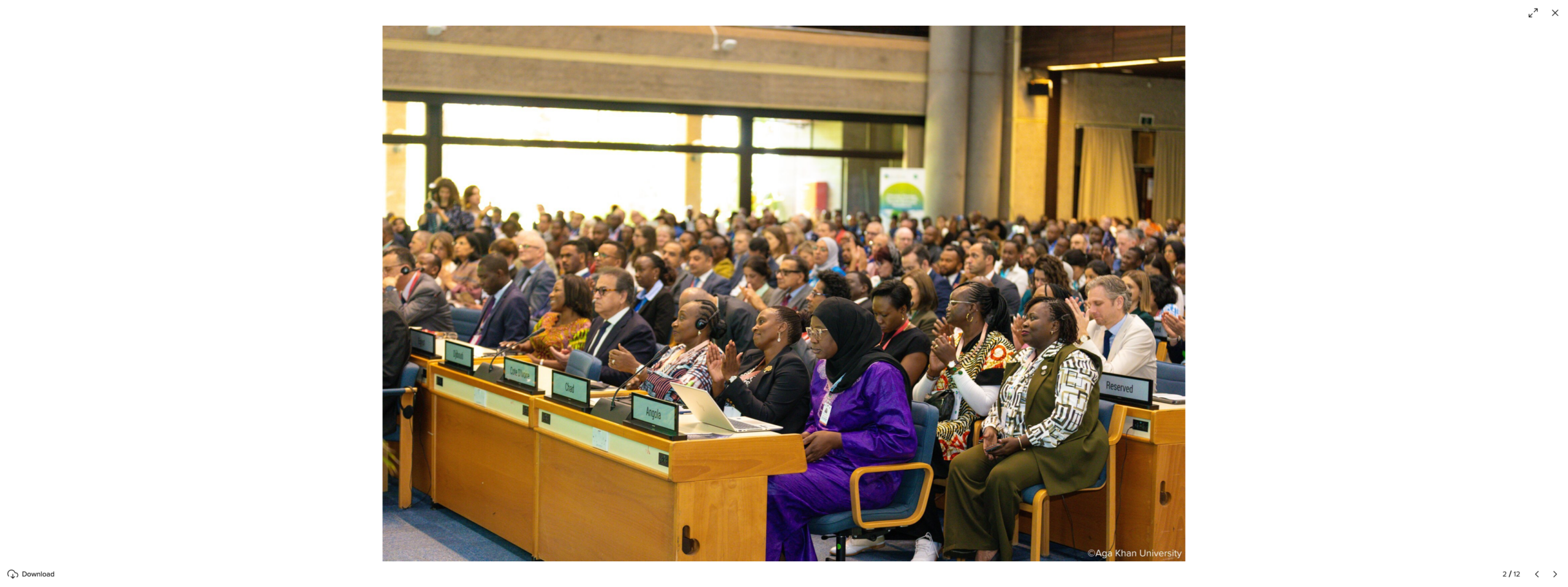
This summit should also be an opportunity to launch a new dynamic of North/South cooperation, following the Paris Pact for People and the Planet, by transforming development aid into international partnerships. The first step was the Africa Forward Summit in Nairobi in May. The traditional system of development aid is not delivering enough growth and must better address global challenges. Its tools, designed after the Second World War, have been efficient, but need to be updated, or they will no longer be relevant. We must not forget about solidarity and better target the most vulnerable in sectors essential to their development, such as health, early development and resilience against climate change.
Diversification of critical minerals’ value chains
Critical minerals’ value chains are too concentrated and are not resilient to shocks. Recent export restrictions have shown our economies’ vulnerabilities. That is why we must diversify our critical minerals’ value chains. To this end, the G7 is a great microeconomic coordination forum. Building on the production Alliance launched last year in Kananaskis, we will extend it into a Resilience alliance, which encompasses coordinated investments and actions across all parts of the value chain: exploration, extraction, refining, recycling and storage. We must also protect our markets from unfair competition and increase traceability to give us the means to do so, while promoting innovation and the circular economy.
Cooperation on cancerWe must pursue our efforts to fight cancer. About ten million people die of cancer every year, representing one in five deaths worldwide. Progress made over the past two decades in prevention, screening and therapeutic innovations has led to a reduction in mortality, particularly notable in G7 countries. However, major challenges remain, especially for cancers with poor prognoses, paediatric cancers, and those affecting adolescents and young adults. This is why it is essential to facilitate data sharing within the G7 for paediatric and young adult cancers, allowing better research powered by artificial intelligence. The eradication of cervical cancer through HPV vaccination should also be achievable.
Fighting narcotrafficking and illicit financial flows
G7 countries must cooperate to fight against transnational threats, notably drugs, and the financing of terrorism. While 70% of drugs enter our territories through ports, the G7 will continue the work started on securing ports against drug trafficking by reinforcing our port coordination. In addition, by organising the fifth edition of the No Money for Terror Summit in Paris in May, we renewed our commitment to fight illicit financial flows diverted by terrorist organisations and that derives from their criminal activities.
Protection of minors online
As digital technologies increasingly shape economic and social interactions, both locally and globally, policymakers face more complex choices. The impacts on our lives as individuals and societies are profound and multifaceted, affecting some more than others, such as the youngest. The G7 Évian summit will take place in continuity with the AI Action Summit held in 2025 in Paris. It will be crucial to engage tech companies and states in ensuring a safe and secure digital space for minors, notably with discussions on age-appropriate features and the design of social media and conversational AI agents.