

What strategy guides Iran’s approach to the 2026 war?
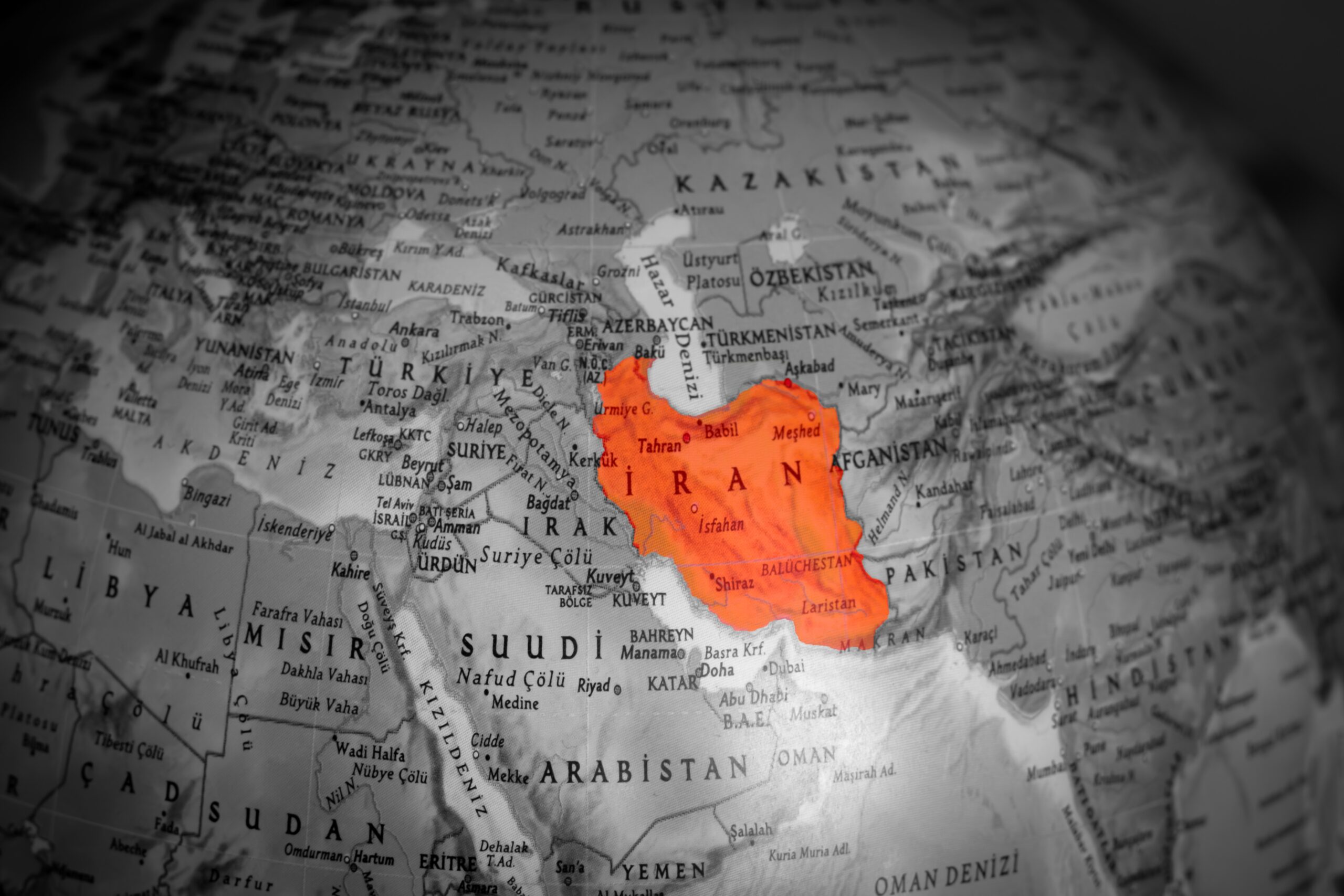
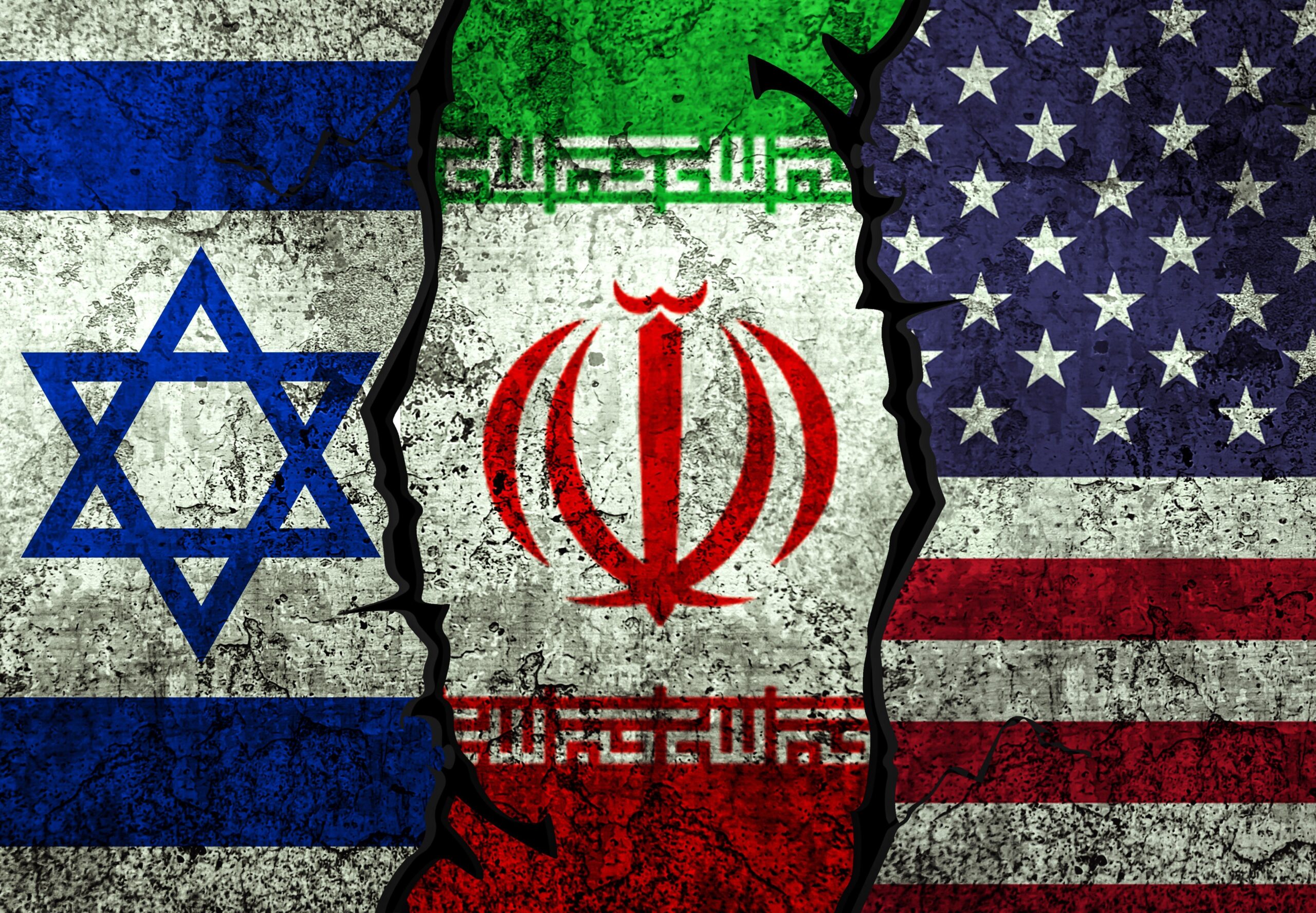
Since its 1979 revolution, Iran has viewed the United States as the greatest threat to its sovereignty and independence. It believes the revolution was won by making Iran free of western control, and the US has been constraining Iran economically and trying to undo the revolution. So this war is a culmination of a much longer struggle against the US. All the tactics Iran has used to resist the US have come together in the way it has absorbed the pounding from the US and Israel. The regime sees this as a grand resistance to what it considers the US effort to re-subjugate Iran to the foreign control that was in place before the
revolution.
What is the impact on the global economy and security?
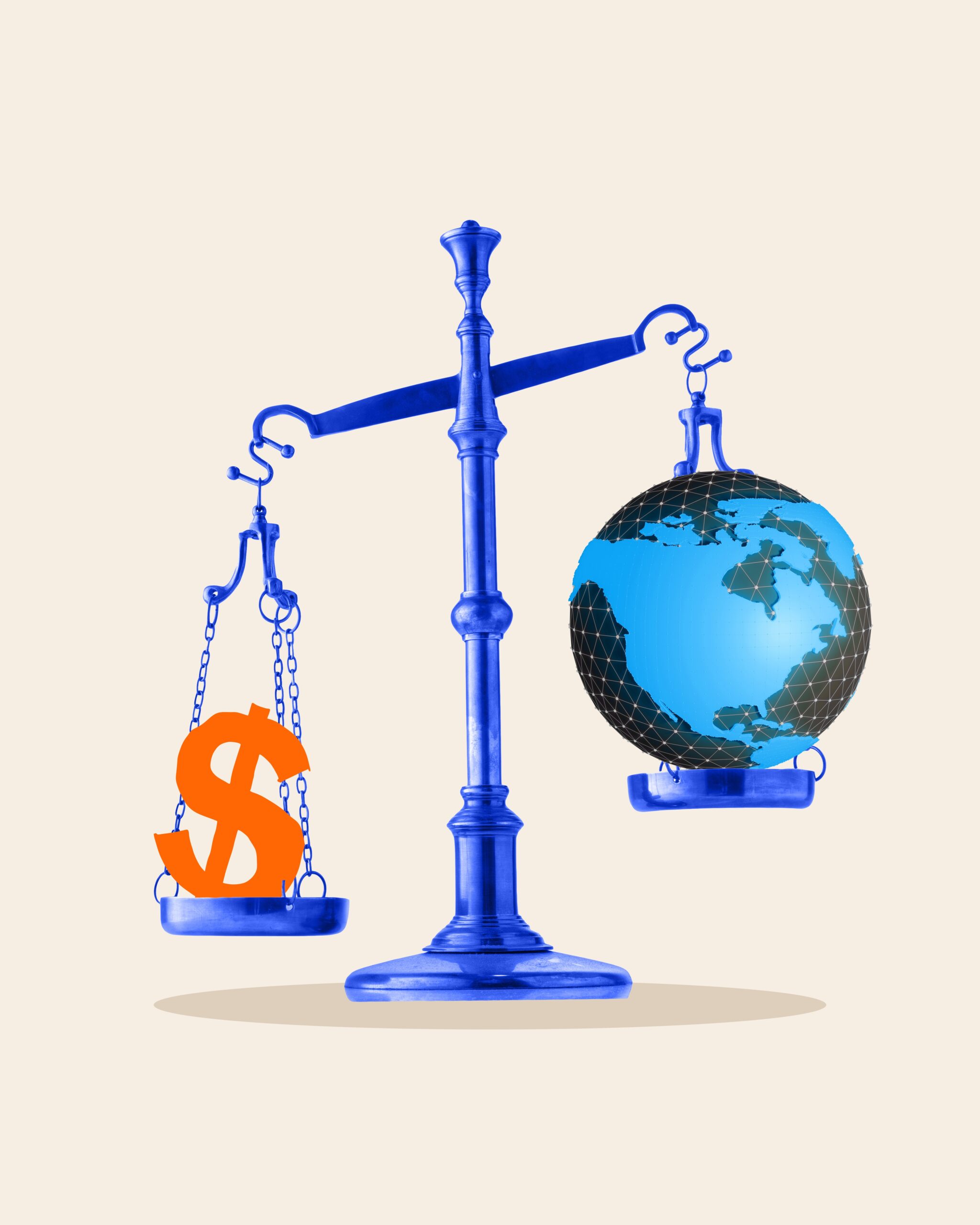
Iran treats the global economy as a battlefield. The US can bomb Iran, kill its leadership and impose huge costs on the country, but Iran – as it has for 47 years – can resist through asymmetric, guerilla warfare. We’ve seen that in Iraq, Lebanon and across the Middle East. Now it uses drones and missiles instead of proxies. But Iran does not have a view of how it would manage the global economy to its advantage. The global economy is deliberate collateral damage.
The US decided to wage war against Iran assuming that the war would be so quick that the G7 wouldn’t even notice it. But the US was unable to change the regime, and it didn’t get Iran to surrender right away. Instead, Iran has escalated prices in energy markets, particularly affecting Asian and European markets and creating crises in supply chains including urea for fertiliser, diesel fuel for Africa and cooking oil for India – with long-term impacts.
How effective has the G7 response been so far?
The US expected some of the members to participate in this war, but G7 members have decided it’s not in their individual political, economic and strategic interests. And the future of the Gulf economies is very important – they invest heavily in European and Asian economies, and the movement of petro dollars has been foundational.
Also, Europe has viewed the Russian threat and the war in Ukraine as more important to its security than Iran. European policies towards Iran have been guided more by its involvement in Ukraine than its general policies or its nuclear programme. The current war in the Gulf adversely affects Ukraine because Russia has benefited from sanctions being lifted on its sale of oil, which it can now sell at a much higher price. There are also concerns about constrained weapons supplies for Ukraine, and about any shift in the balance of power in Asia, regarding the availability of defensive missiles around China.
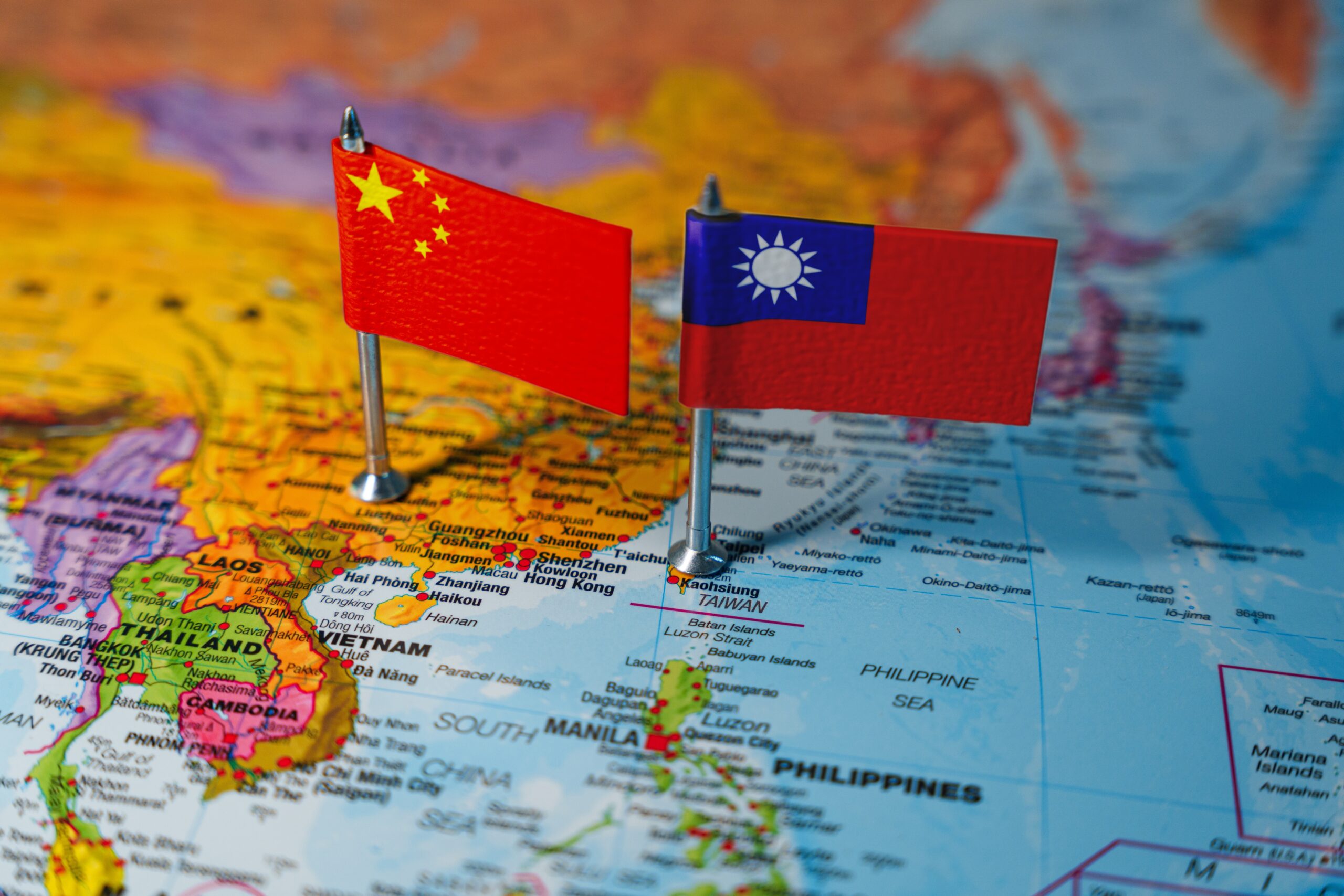
Another concern is that the closure of the Strait of Hormuz could be an example for the closure of Bab-al-Mandeb and trade through the Red Sea, as well as for the straits of Malacca and Taiwan.
What are the prospects for rebuilding Iran and the Middle East?
The price tag is enormous. In the case of Lebanon and Gaza, the G7 will be asked for huge investments. The Gulf countries themselves will have to spend a huge amount to rebuild their damaged energy infrastructure, and a great deal more to provide resilience and protection for both military and civilian infrastructure. That might affect G7 members positively, because the Gulf countries would look to them for rebuilding.
Iran is looking for sanctions to be lifted. It seeks economic relief, greater integration into the global economy and the ability to rebuild the $270 billion in damage it suffered during the war. If – and that’s a big if – that’s facilitated by whatever end-of-the-war deal there is, it could involve G7 members.
How can the G7 leaders best respond in Évian?
The US is going to ask G7 leaders to align themselves with its policy. But the G7 will also have to respond to the demands of allies and trade partners in the region – the United Arab Emirates, Saudi Arabia, Qatar, Kuwait and also Lebanon, Syria, Israel will all be asking for various things.
But this massive catastrophic war in the Middle East is connected to the wars in Lebanon and Gaza. The G7 must think about what regional order can come out of this war that would give everyone in the Middle East a pathway to both security and a non-repetition of war, and allow economic reconstruction for all.
The old order is now completely gone. G7 leaders have to look at what a new order would look like and how they would work with various stakeholders in the region. The region is already toying with new formulas. So G7 leaders must listen very intently and then develop a theory for how security, stability and peace might look – what a balance of power could look like, and how to help establish it in collaboration and cooperation with regional actors.
Certain vectors are important: continuation of peace in Gaza, establishing peace in Lebanon, helping Syria stand on its own feet, what sort of peace in the Persian Gulf region can allow countries to rebuild, what security in the Gulf looks like and who will provide it. The G7 doesn’t have to solve all aspects of this large task. But it must support the emergence of a new regional order that has the buy-in of the countries in the region and can form the basis of an economic reconstruction that the G7 could participate in and benefit from