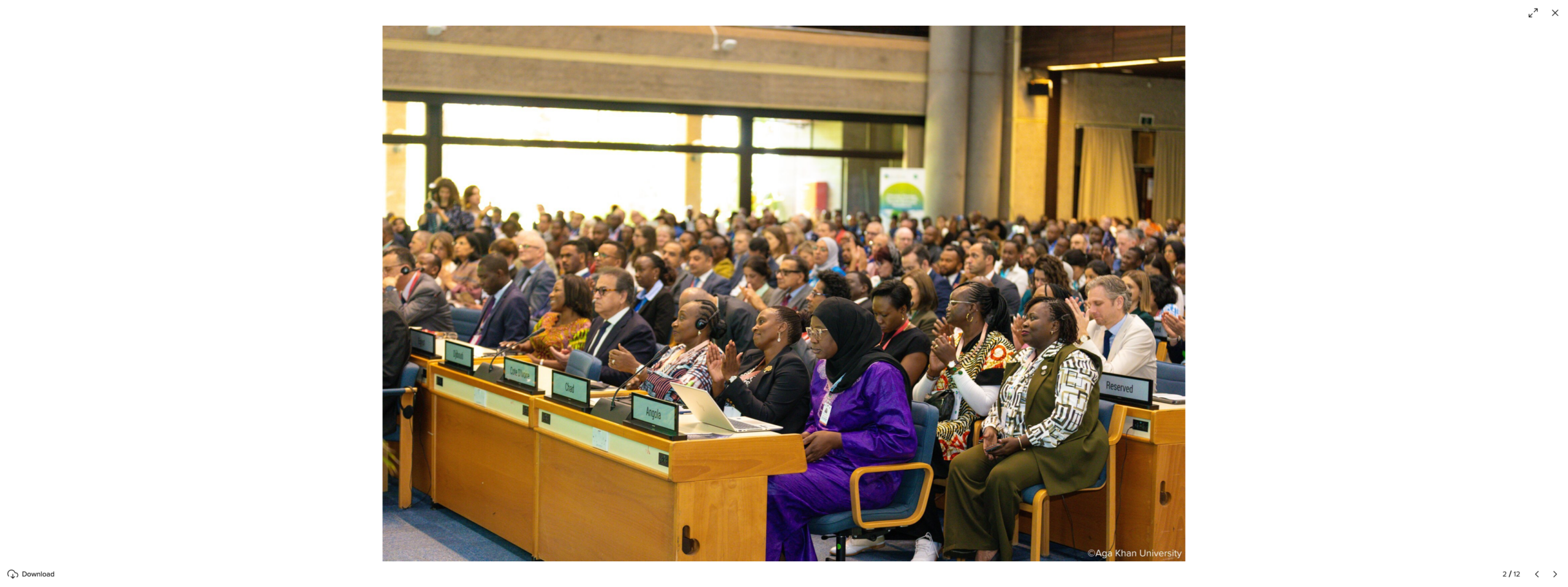



The failure of the 14th Ministerial Conference of the World Trade Organization in Yaoundé, Cameroon, to extend the moratorium on duties on e-commerce has interrupted a practice that has been maintained since 1998. The G7 is well placed to revive the moratorium, creating an initiative that other WTO members can dock on to.
G7 interest in the moratorium is longstanding. In 2021, G7 trade ministers stated that they supported a permanent prohibition of customs duties on electronic transmissions. Later that year, the G7 Digital Trade Principles confirmed that electronic transmissions should be free of customs duties and endorsed a permanent prohibition. In 2022, G7 leaders committed to finding a permanent solution to the moratorium. In 2023, the G7 Hiroshima Leaders’ Communiqué called on all WTO members to make the moratorium permanent. In 2024, both leaders and trade ministers reiterated support for a permanent prohibition, while acknowledging that only a temporary extension had been secured at the previous ministerial conference.
The United States has taken a clear position on this issue and has signalled that permanent duty-free treatment for digital transmissions remains a priority. Nine American trade deals have included provisions to that effect. Other G7 members have expressed similar views. The moratorium therefore represents a rare area of convergence within the G7 trade policy agenda.
Preserving momentum
The immediate response to the failure in Cameroon has been the circulation of draft text by dozens of WTO members committing to maintain the moratorium among themselves. That text establishes a template for continued cooperation. It confirms the intention of participating members to refrain from imposing customs duties on electronic transmissions while work continues towards a multilateral outcome. The existence of this draft language means that the G7 does not need to invent a new legal framework. It can adopt and amplify language that has already attracted broad support among the WTO membership.
The central task for the G7 is therefore straightforward. It must preserve continuity, reinforce the existing coalition of willing WTO members, and maintain the credibility of the multilateral process. This can be achieved through focused actions that rely on established language and simple procedures.
The first action should be a joint declaration at the Évian Summit in June that commits all G7 members not only to re-establish a prohibition on customs duties on electronic transmissions but also to make it permanent. The declaration should include specific operative text that other WTO members can sign on to. That text should draw directly from the draft proposed by the group of WTO members after the 14th Ministerial Conference, which states that participating members will continue their current practice of not imposing customs duties on electronic transmissions until a permanent solution is secured in the WTO. By adopting familiar language, the G7 will not complicate the process of alignment for other governments.
The second action should be an explicit invitation to non-G7 economies to join this open plurilateral commitment. The declaration should state that participation is open to any WTO member that is prepared to maintain the moratorium indefinitely and support continued work towards a multilateral outcome. This step will reinforce the message that the initiative is inclusive and that it builds on the efforts already undertaken by dozens of WTO members.
from commitment to ACCESSION
The third action should be the creation of a simple mechanism through which additional countries can dock on to the accord. Participation should be based on self-declaration and a willingness to have actions taken specifically assessed in that country’s future WTO Trade Policy Review. A government that wishes to join should issue a communication to the WTO membership that it will permanently eschew customs duties on electronic transmissions and that its domestic measures are consistent with that commitment. This approach will allow participation without lengthy negotiations and will create a transparent record of acceptance of terms.
These actions are sufficient to sustain momentum after the lapse of the multilateral moratorium. They rely on policy positions that the G7 has already endorsed, they reinforce cooperation among willing WTO members and they maintain the prospect of a binding multilateral agreement. The Évian Summit therefore offers the G7 a clear opportunity to convert longstanding alignment into practical leadership and to keep digital trade duty-free while the multilateral system works towards a durable solution.