

France has set an ambitious agenda for its G7 presidency in 2026, seeking to return the G7 to its original purpose as a space for dialogue among major powers to address the economic challenges of our time. Most notably, it states that “multilateralism will be effective if it prevents vulnerabilities”.
Having worked on the front lines of global disasters and crises, I could not agree more. Reducing vulnerabilities is a core element of disaster risk reduction. That is why it is critical that the G7 integrate disaster risk reduction into its deliberations. Indeed, some of the greatest achievements of multilateralism this century have come from collective efforts to build disaster resilience, such as the creation of the Indian Ocean tsunami early warning system after the 2004 tsunami.
Tackling systemic global risk
Such multilateralism is especially urgent today, because climate and disaster risks are no longer local phenomena but are increasingly systemic and transboundary. Encouragingly, the stated priorities of France’s G7 presidency present several entry points for integrating disaster risk reduction into economic cooperation.
The first is the overarching objective of “making the reduction in global inequalities a priority”.
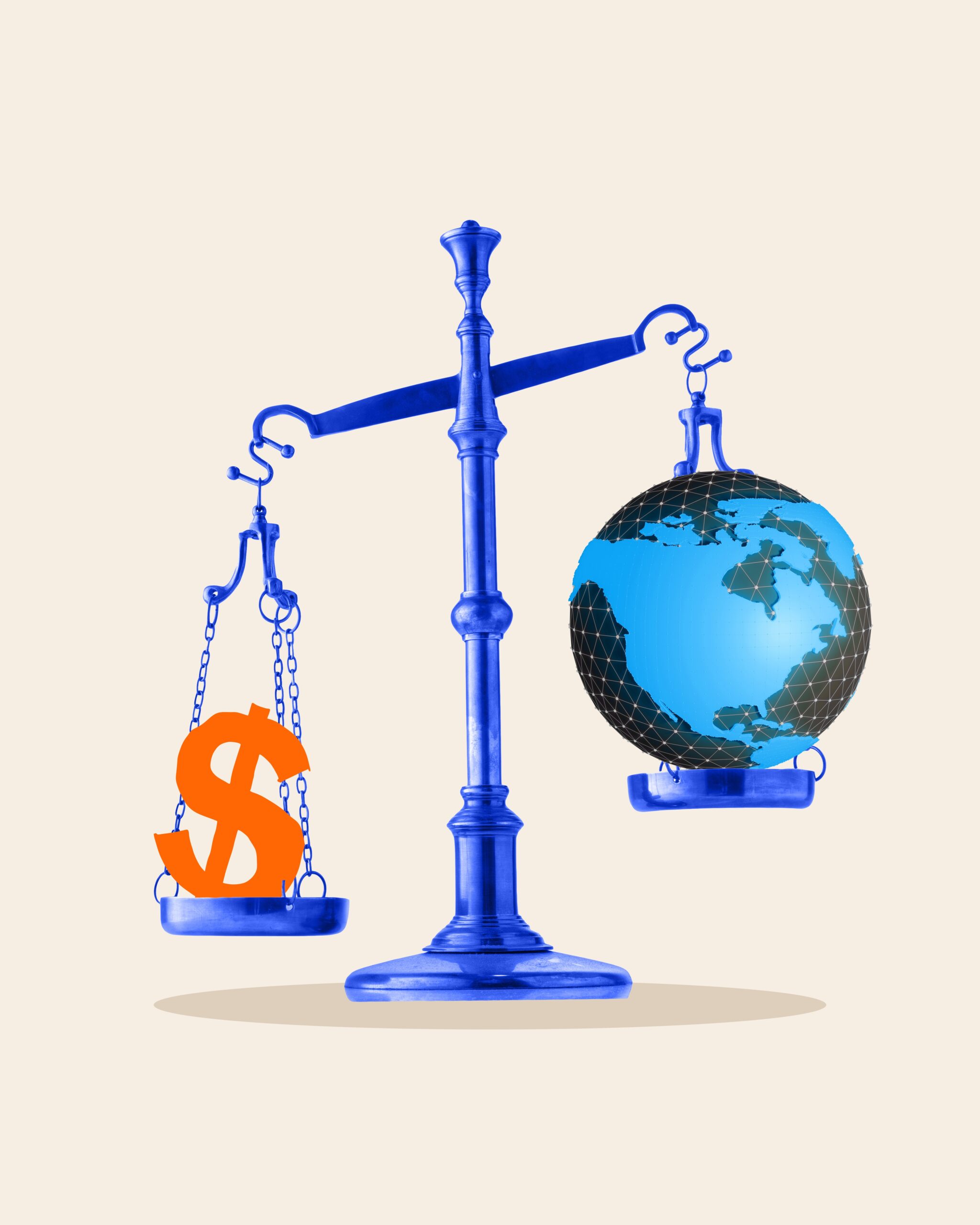
Inequality and disasters feed off each other. Inequality increases human and economic vulnerability to natural hazards, amplifying the impacts of disasters. Disasters disproportionately harm the most vulnerable, entrenching poverty and widening inequalities.
The scale of the challenge is growing. According to our Global Assessment Report on Disaster Risk Reduction 2025, the real global cost of disasters is estimated at $1.3 trillion per year – more than 11 times higher than the direct economic costs alone, once indirect and cascading impacts are considered. Left unaddressed, disaster costs can become a powerful driver of social and economic inequality.
A second entry point appears in the G7’s finance track, specifically, under the “regulation of international finance to forestall systemic crises”.
The Fourth International Conference on Financing for Development, held in Sevilla in 2025, recognised that risk-informed financing is essential for ensuring sustainable and resilient development. This was reinforced by the G20 Disaster Risk Reduction Working Group under South Africa’s presidency, for which the United Nations Office for Disaster Risk Reduction served as the secretariat. The group endorsed a set of groundbreaking Voluntary High-Level Principles for Investing in Disaster Risk Reduction. Most recently, the UN report on Implementing the Sevilla Commitment called for “integrating climate and disaster risk considerations into financial instruments” to strengthen resilience in a more shock-prone world. I believe the G7 is ideally placed to build on this momentum and integrate disaster risk reduction into the very architecture of international finance.
The finance track also highlights the need to shift “from support to partnerships”, particularly as public resources become more constrained.
Embedding risk reduction in finance and partnerships
This mirrors a transformation already underway in disaster risk reduction cooperation. The Santiago Network – whose secretariat UNDRR hosts jointly with the UN Office for Project Services – exemplifies this kind of partnership. It connects developing countries with expertise and organisations that can help them build the technical capacity they need to avert, minimise and address climate-related loss and damage. A similar partnership logic underpins the UN’s Early Warnings for All initiative, which brings together national and international actors to strengthen early warning systems in the most vulnerable countries. Strengthening these partnership mechanisms would help developing countries reduce disaster losses, protect development gains and lessen future humanitarian needs.
The G7 trade track’s focus on supply chain resilience is an argument for infrastructure and business resilience.
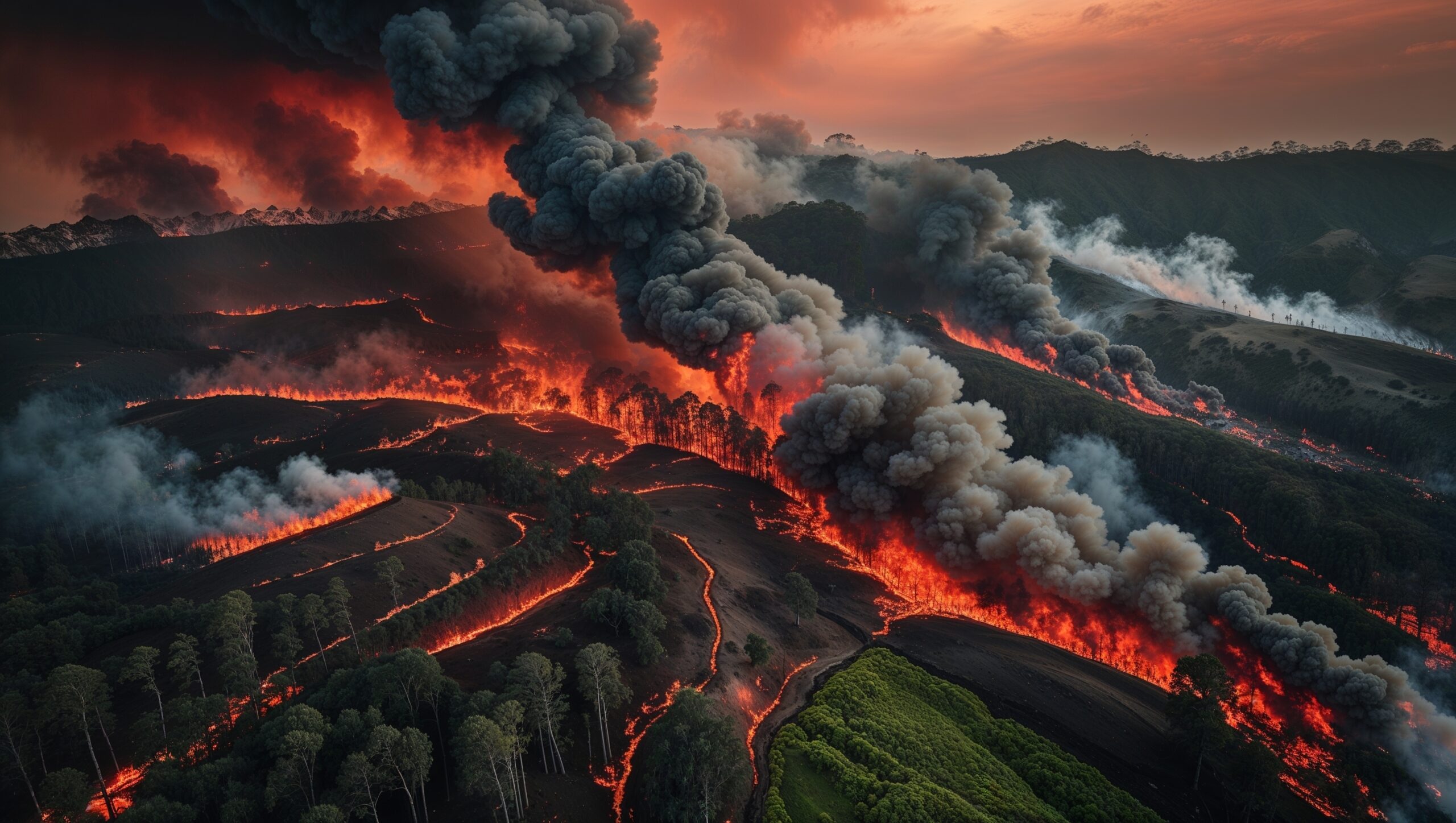
In today’s interconnected world, a single disaster can have far-reaching effects across borders and sectors. Wildfire smoke from Canada in 2023 shut down some airports, and affected operations at others, because of low visibility. Drought at the Panama Canal slowed major global shipping channels. And a sandstorm in March 2021 led to the grounding of a container ship in the Suez Canal, blocking nearly a third of global container traffic.
That is why we advocate for integrating climate and disaster resilience into all infrastructure systems, in line with our Principles of Resilient Infrastructure, and to conduct stress testing to find vulnerabilities. We also call for supporting businesses, small and large, to better understand and plan against the risks they face. Tools such as UNDRR’s Resilience Maturity Assessment and business continuity planning guides can help here. Together, these actions can reduce disaster-related disruptions to supply chains, protect livelihoods and investments, and strengthen economic security.
France has long been a global leader in climate action and disaster risk reduction. Under its presidency, the G7 can emerge as an engine for multilateralism around disaster prevention and reducing the growing cost of disasters – a challenge affecting economies large and small. With less than five years until the expiration of the Sendai Framework for Disaster Risk Reduction, now is the time to mobilise action around its globally agreed targets, which align with the G7 agenda. Let us use this moment to build resilience that translates into economic stability and prosperity for all.