

G7 leaders met in Kananaskis in Canada from 15 to 17 June 2025, where they made 150 commitments in response to ongoing geopolitical instability, advances in artificial intelligence and quantum technologies, and environmental pressures, among other issues on their agenda.
Those commitments at Kananaskis marked a shift from the traditional structure of G7 commitments, with 68% fewer commitments than the 2024 Apulia Summit’s 469 and 77% fewer than the 2023 Hiroshima Summit’s 653. The Kananaskis commitments were concentrated in six key documents covering key topics such as critical minerals, wildfires, AI and quantum technologies, and transnational challenges.
Nearly half (47%) of the Kananaskis commitments focused on the digital economy, with a particular emphasis on AI and quantum technologies. Leaders prioritised AI adoption in both public and private sectors, especially for small and medium-sized enterprises, and addressed workforce transitions and infrastructure needs. Leaders also addressed environmental pressures through commitments on wildfire mitigation, while placing increased emphasis on critical minerals and transnational repression as emerging areas of concern. However, much less attention and agreement came on traditional G7 issues, including macroeconomics, trade, health, education, nuclear non-proliferation and clean energy.
Kananaskis Interim Compliance
The G7 Research Group selected 20 priority commitments from the Kananaskis Summit to monitor for members’ compliance during the following year. This selection reflected the distribution of commitment
subjects and the core priorities of Canada’s presidency, with greater focus given to subjects with the highest concentration of commitments. The selection included six commitments on the digital economy. Four environment-related commitments focused on wildfires, biodiversity and deforestation. Two commitments each were on regional security, development, migration and transnational repression, and one each on critical minerals trade and infrastructure.
Compliance with these 20 commitments was assessed from 18 June to 28 December 2025, halfway through the period between the Kananaskis and Évian summits. Final assessment of the full year between the two summits is ongoing and will be published on the eve of the Évian Summit in June.
By 28 December, average compliance with these 20 Kananaskis commitments was 75%, which is 13% lower than the comparable interim score for the 2024 Apulia Summit. This is also below the 90% interim score for Hiroshima in 2023 and the 85% scores for Elmau in 2022 and Cornwall in 2021.
By subject, quantum investment and commercialisation already reached full compliance of 100% by December. Commitments on biodiversity, the digital divide, infrastructure, border management and regional security in the Middle East each scored 94%. Workforce development for women and underrepresented groups in the digital economy and AI energy supply chains both scored 88%, and critical minerals development scored 81%. Commitments on AI for SMEs, transnational crime and regional security from Russia each scored 75%. Deforestation, transnational repression and wildfire impacts on health scored 69%. Data and communications security scored 63%, development and understanding of transnational repression 56%, and wildfire mitigation 50%. The lowest score was for trade, at 25%.
By member, Canada and the European Union achieved the highest score with 93% compliance, followed by the United Kingdom at 88% and the United States at 75%. These members were followed by Germany and Italy, both scoring 65%, followed closely by Japan at 63% and the 2026 host, France, at 60%.
Prospects for compliance
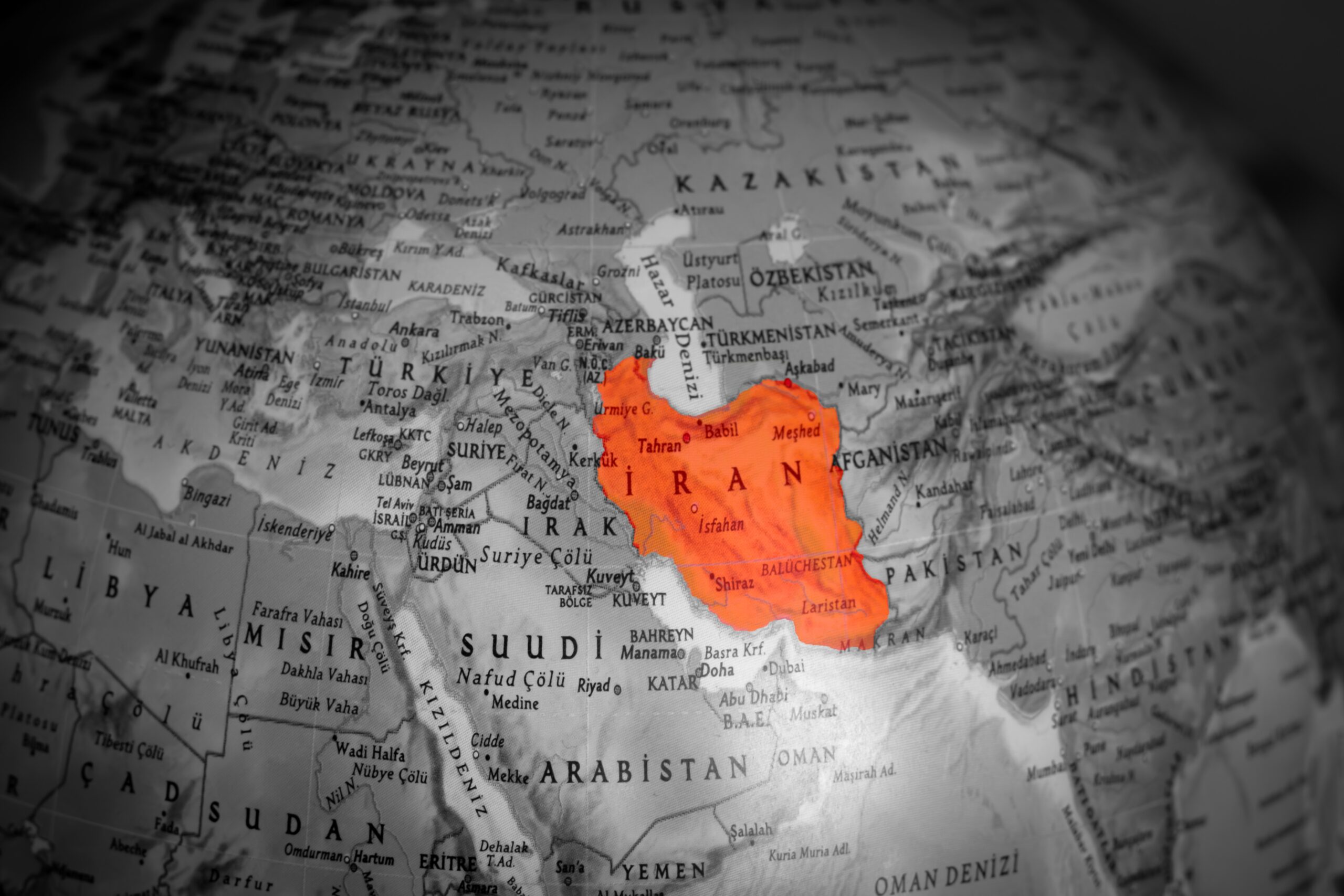
Final compliance usually exceeds interim levels. However, by the time the Évian Summit begins, compliance will likely vary even more across countries and commitments, due to both domestic pressures and broader global conditions. This year’s summit is also set against a backdrop of significant geopolitical challenges, including the US-led war against Iran and its impact on global energy and supply chains, as well as Russia’s ongoing war in Ukraine.
France, the host of the Évian Summit, has emphasised a return to the G7’s core function as a forum for dialogue on pressing global issues. In this context, the French presidency has prioritised reducing global inequalities and fostering mutually beneficial partnerships between G7 members and developing countries. Évian can be expected to focus on AI and quantum technologies, although attention on those issues will likely be shaped and potentially constrained by more immediate geopolitical and economic priorities. The G7 is also expected to build on progress made at Kananaskis and the energy and environmental ministers’ meeting in Toronto in October 2025, particularly regarding critical mineral commitments.
Nevertheless, these ambitions may be overshadowed by the oil crisis stemming from the US–Iran conflict. With little change in leadership at the G7 table – the only newcomer being Japan’s Prime Minister Takaichi Sanae – it remains to be seen if a consensus can be reached and if new developments do not overshadow the summit’s agenda.