


Since it created the Financial Action Task Force, the G7 has played an important role in elevating the fight against illicit finance on the international agenda, helping to mobilise political attention at key moments.
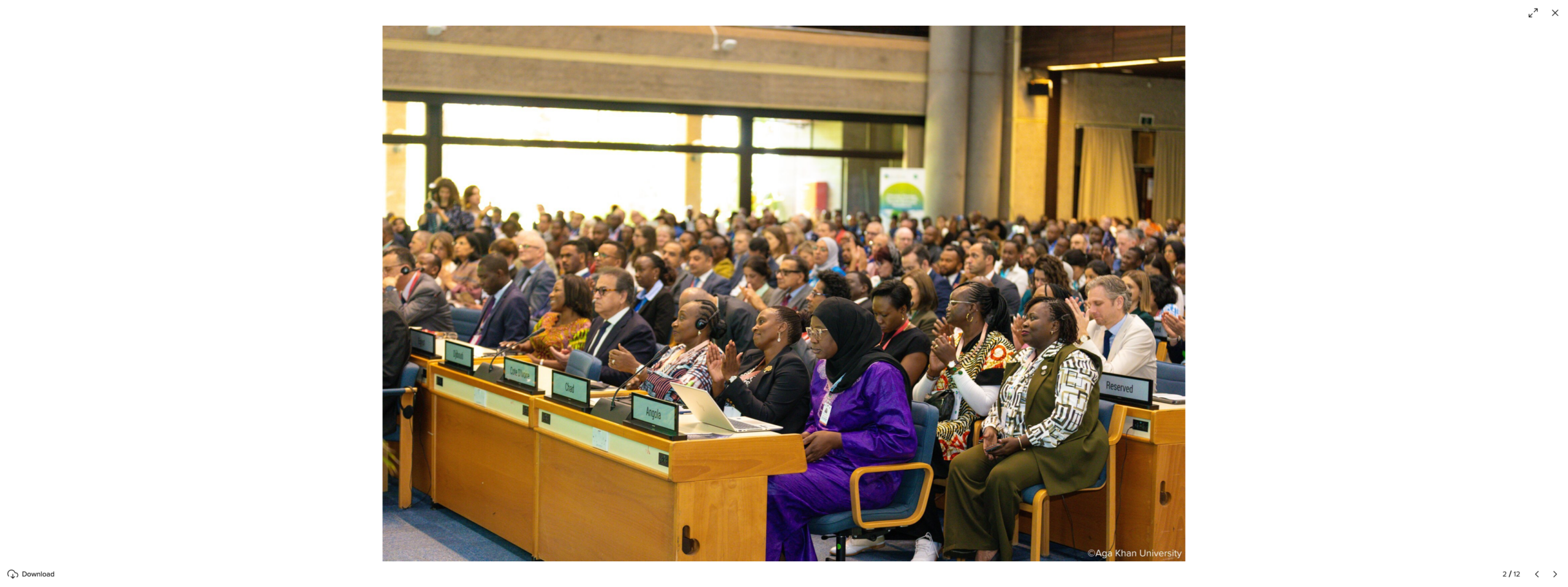
At the same time, the strength of the FATF lies in its Global Network, which drives the implementation of the FATF Standards, mutual accountability and assessment of risks across more than 200 jurisdictions.
By keeping the fight against financial crime high on the agenda during its G7 presidency, France is reinforcing the importance of sustained, collective action against evolving financial crime risks.
And the urgency of the challenge has become even more acute, with financial crime threats intensifying, evolving and becoming increasingly interconnected. Criminals and terrorist groups are rapidly adapting, blending traditional methods with advanced digital tools and exploiting emerging technologies to fuel illicit activity.
A devastating example of this is the number of citizens around the world who are falling victim to scams at an escalating rate, creating a true fraud epidemic, including cyber-enabled fraud. This has been identified as a major money laundering risk by 90% of the jurisdictions assessed by the FATF Global Network.
That is why FATF ministers recently declared fraud, terrorist financing and transnational organised crime as priority risks that demand urgent attention.
From standard setting to
effective enforcement
In recent years, the FATF has strengthened its toolkit, which is anchored in the FATF Standards, by reinforcing the global asset recovery framework, improving the safety and security of cross-border
payments, and deepening the understanding of emerging and evolving risks. It has done so by working in close partnership with the nine FATF-Style Regional Bodies to leverage risk insights from across its Global Network.
Yet despite this progress, significant gaps in implementation continue to leave the global financial system exposed. Through our peer review assessments, we consistently identify weaknesses in countries’ ability to translate the standards into
effective action. For instance, a comprehensive assessment issued last year found that 69% of jurisdictions assessed by the FATF and the Global Network have major structural deficiencies in investigating, prosecuting and securing convictions for terrorist financing cases.
Closing these gaps is central to the FATF’s work, which aims to ensure that countries address loopholes through effective implementation of the FATF Standards worldwide.
The risk‑based approach is the backbone of the FATF Standards, ensuring that global efforts are targeted and proportionate, with resources and responses focused on where risks are highest.
The need for coordinated action
A clear global picture of risks is essential. Recent reports by the FATF drew on almost 100 submissions from across the Global Network to highlight emerging risks relating to virtual assets – such as how stablecoins can be misused by money launderers or terrorist financiers, or how offshore virtual asset service providers (or oVASPs) can be exploited to conceal
proceeds from scam compounds.
The work sets out global best practices for countries and also the private sector. Such work includes the responsible use of technological innovation to freeze assets through smart-contract functions in stablecoins, or how public-private collaboration can support early detection of oVASP operations.
With financial crime being inherently borderless, everyone needs to stay ahead of the curve of criminals. Our mutual evaluation and follow-up processes mobilise resources to support countries to strengthen their defences and put in place measures that boost security and sustainable economic development.
With near global commitment to implement the FATF Standards, all countries must step up their efforts. France’s continued leadership in keeping the fight against financial crime high on the agenda under its G7 presidency is therefore welcome.
Paris also provides a powerful reminder of why our work matters: thousands
gathered at memorial events last year to remember the family, friends and neighbours taken in the fatal attacks in 2015 that gave France cause to establish the ‘No Money For Terror’ conference. The most recent NMFT conference in Paris under France’s G7 presidency, underlined the importance of coordinated and collective action to stay ahead of terrorist financiers.
As FATF ministers committed to do earlier this year, we must use the sharpened tools we have developed through the FATF Standards to cooperate across borders, share intelligence, and seize and freeze assets in order to address the global surge in terrorist financing, fraud and trans-
national organised crime.
Our ministers also stressed the importance of international cooperation, as no one country is immune from the threats posed by illicit finance – and no one country can win this fight alone. By harnessing the FATF toolkit, we can step up our defences, prevent abuse of the financial system and keep our citizens safe.