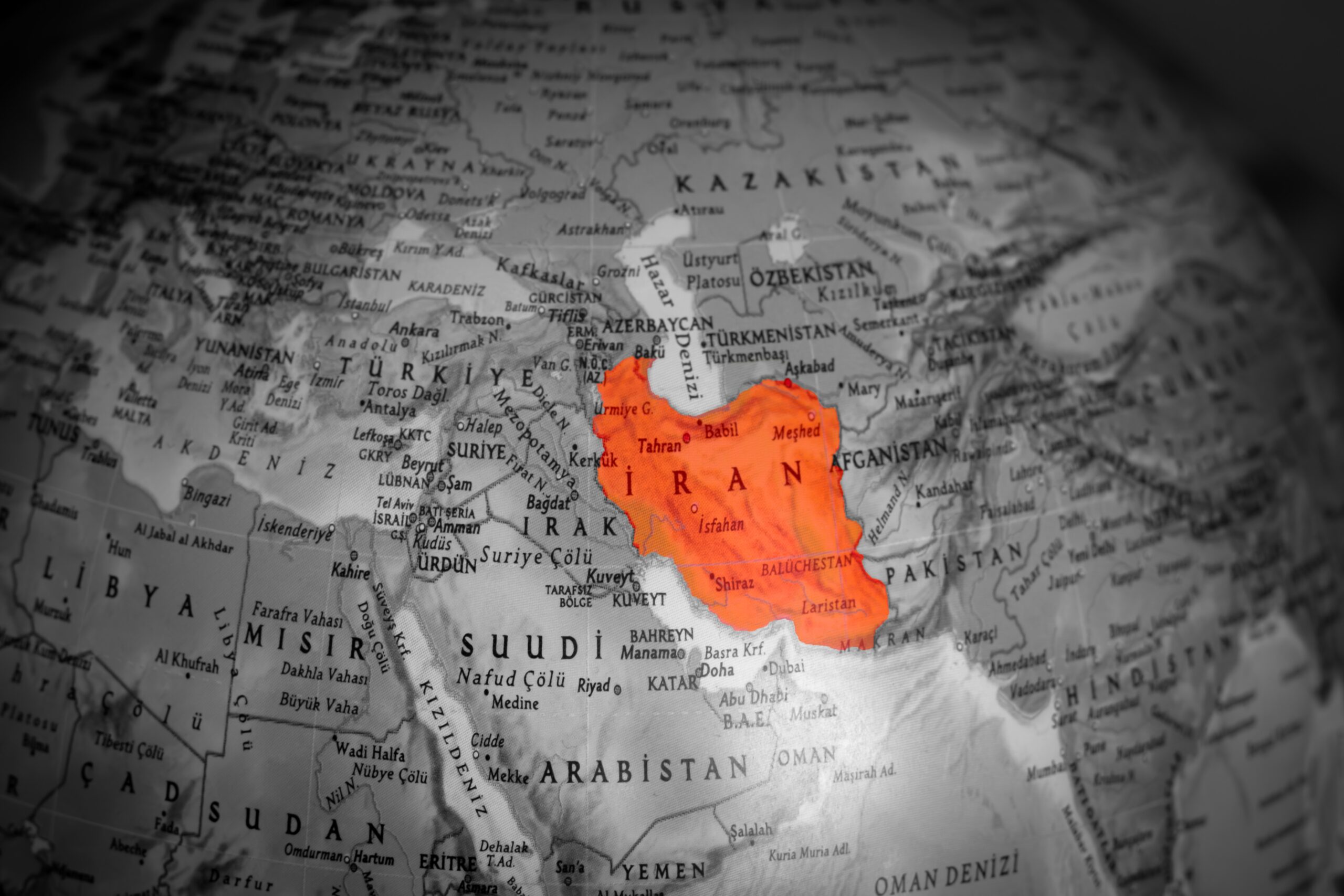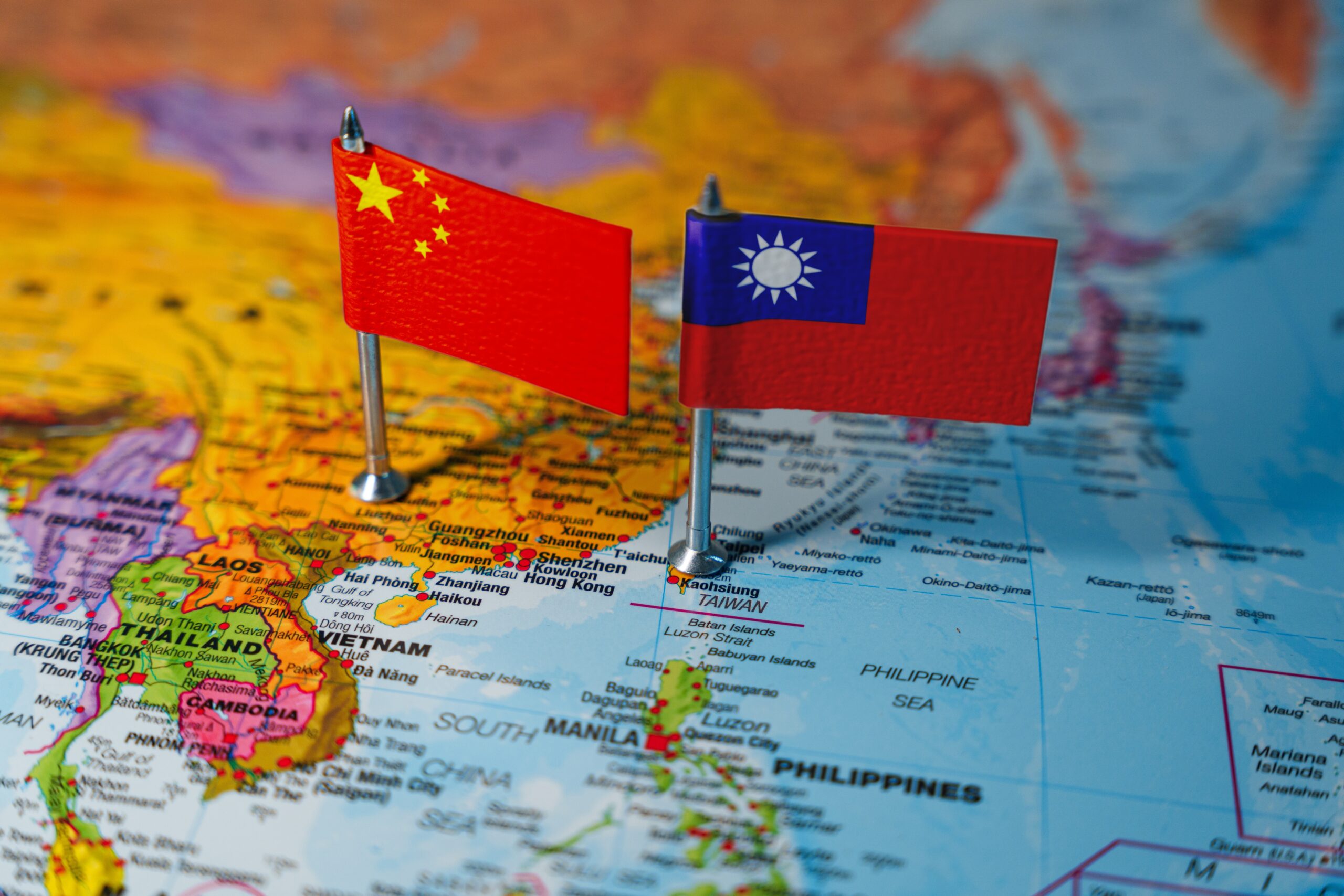


Soon after I became secretary general of the North Atlantic Treaty Organization in October 2024, I shared my belief that the security situation was undoubtedly the worst in my lifetime. I wish I could say otherwise today, but the world continues to experience extreme insecurity. We face a revanchist Russia waging a war of aggression against Ukraine, an assertive China, a threatening North Korea and a dangerous Iran that has pursued a nuclear and ballistic missile programme for years. Our southern neighbourhood is volatile and terrorism remains a persistent threat.
In turbulent times, collective defence lies at the core of our security, and NATO is needed more than ever. History has taught us that transatlantic defence, which is at the heart of NATO, is the greatest shield against aggression, and the only way to preserve our freedom and security. Now, faced with real and lasting dangers, NATO allies are redoubling efforts to strengthen this shield.
At the NATO summit in The Hague last year, we agreed to significantly step up investments in defence – to reach 5% of gross domestic product annually by 2035. Clearly, more money is flowing in. European Allies and Canada have more than doubled their defence spending since 2014; they have invested close to $600 billion in defence in 2025 alone and I expect the upward trend to continue. But cash alone will not keep us safe. Only hard military power will – from tanks and jets to drones and air defence systems. We need more capabilities, faster and at scale, matching the demands of modern warfare.
Scaling capability in a more dangerous world
I have seen for myself the extraordinary work defence companies are already doing, from those I met this year at the Brussels European Defence Exhibition to ASELSAN in Türkiye. Our defence industries, in Europe and North America, are opening new production lines, strengthening and securing their supply chains, and accelerating innovation. From Alaska to Ankara, our industries are also leveraging industrial cooperation, putting the vast pool of people, assets and know-how together to maximise benefits for our collective security. American companies, such as RTX, invest heavily in Europe; while multiple European companies, including Thales, MSM, Kongsberg and Fincantieri have launched manufacturing initiatives in the United States. This is transatlantic defence cooperation in action, and we need more of it.
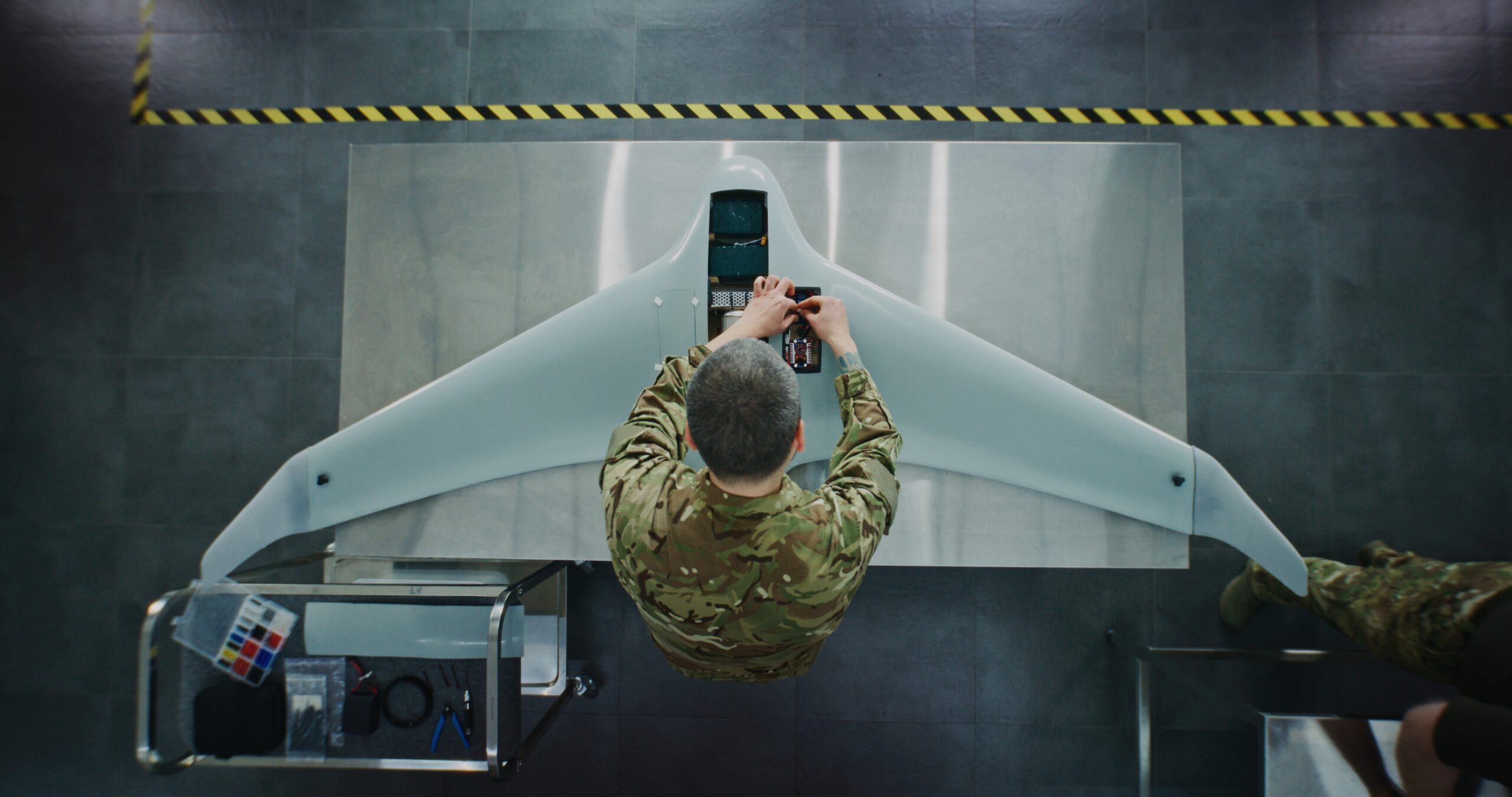
As a result, there is more firepower, new technologies and heavy metal coming out of our industries, but not nearly enough – and not fast enough either. Materiel expenditures tied to our support to Ukraine and the conflict in the Middle East have put pressure on military supplies, including interceptors and anti-drone capabilities. Meanwhile, Russia, China and Iran have been enhancing cooperation and expanding their defence industrial capacity. Moscow is investing 40% of its state budget in defence to churn out military equipment round the clock – and there is no reason to believe that it will slow down the day after the war in Ukraine ends. Russia’s economy is geared to wage war. China’s defence industrial ramp-up is also ongoing, with seven of the world’s 15 largest defence companies now in China. Beijing’s nuclear arsenal also keeps growing. Iran’s continued ammunition and drone manufacturing support has provided at least 3,000 Shahedtype drones to Russia since 2022, and its missile and nuclear programme has long posed a grave threat – to Europe too. To stay safe and outproduce our competitors, we must replenish our stockpiles, scale up production and innovate more with maximum industrial flexibility. There is no time to waste.
Towards a transatlantic defence industrial revolution
We need an industrial revolution, not just in defence, but across NATO economies, so that we transform and re-energise the entire transatlantic defence industrial base. It is not just about what needs to come out of our industries – the ammunition, tanks and drones. It is also about how we produce the capabilities required – with steel, fuel, electricity and people. We need more factories, skilled workers with the engineering know-how, robust energy supplies, access to critical minerals, and more. This means we must train and attract today the young engineers and innovators who will be ready to work in the defence sector tomorrow. And we must mobilise our energy resources, as well as the innovation and technology to produce next generation fuels. We still have some way to go.
A defence industrial revolution is a large-scale endeavour and not one that NATO and our defence sector can power alone. We see this in Ukraine. Entire economies and societies have a part to play – including across NATO Allies, European Union members and G7 members. Banks, pension funds and insurance companies must invest more in the defence industry and in dual-use technologies that are key for our security. This will simultaneously stimulate our economies for the long term. Civilian companies must produce more to meet military needs, following the examples of car manufacturers such as Volkswagen, Renault and General Motors, respectively producing components for air defence, long-range drones and lightweight infantry vehicles. That is precisely what needs to happen.
We are on the cusp of a defence industrial revolution. The train is already in motion. It just needs to go further and faster. That’s what we will do at the NATO summit in Ankara this July – our collective security depends on it.