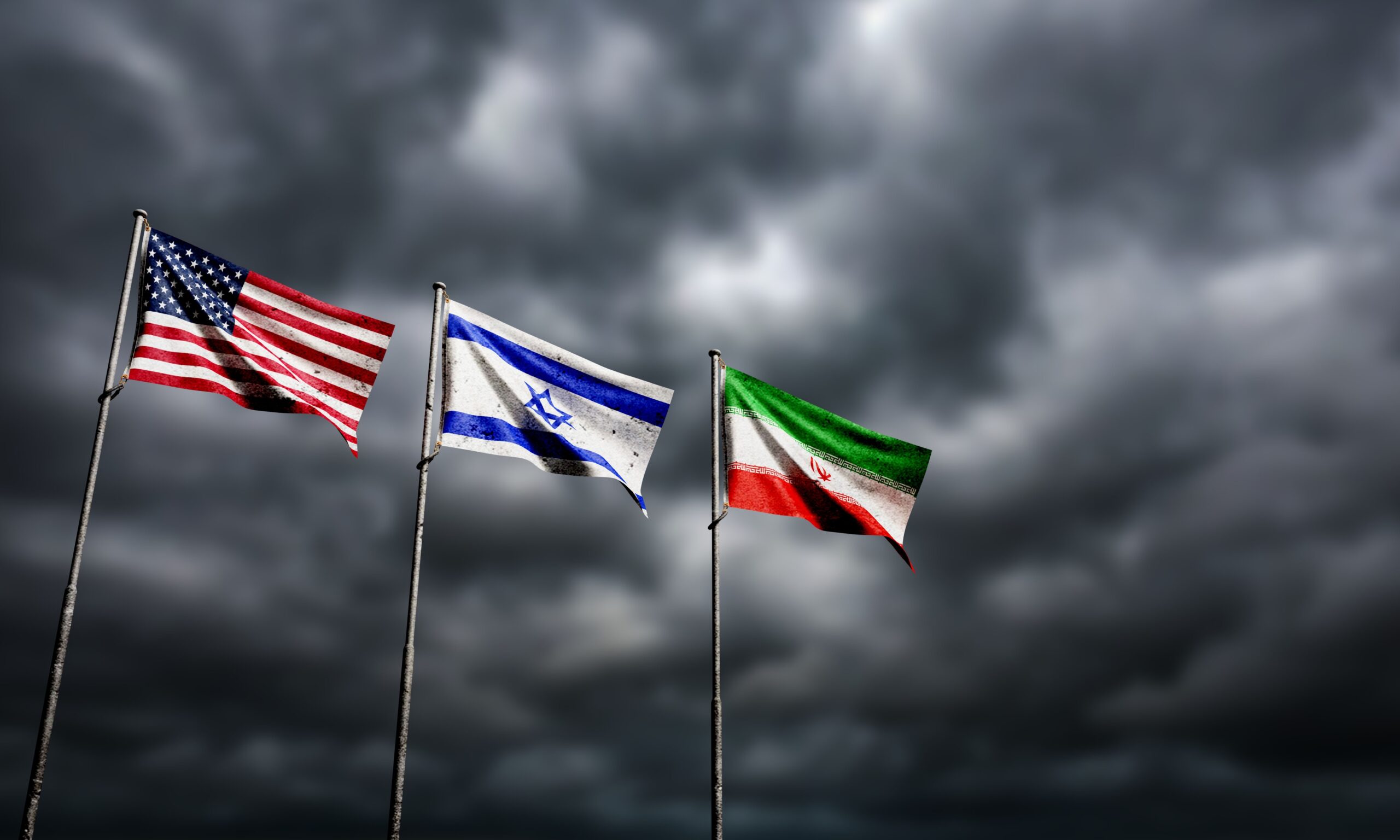


Deepening fractures define the world in 2026, as France prepares to chair the G7 summit in Évian in June. The US-Israeli war against Iran has exposed the severest fissures in the western alliance since the 2003 Iraq war. Simultaneously, it has reinforced the importance of deepening efforts to explore new partnerships outside of traditional blocs.
Increased cooperation between the G7 and the BRICS at such a moment is both sensible and more difficult than in the past. At the start of the year, there was great hope that French president Emmanuel Macron and Indian prime minister Narendra Modi, who is chairing the BRICS this year, could create a bridge between the two.
A dialogue between the G7 and major emerging economies is one of the French presidency’s G7 2026 priorities. Earlier this year, Macron framed India as the essential bridge between the G7 and BRICS, suggesting formal coordination between the two blocs to prevent global fragmentation. He noted that the G7 should not be an “anti-China club” and the BRICS should not be an “anti-G7 group”.
However, this dialogue was always going to be difficult, given the current US administration’s hostile stance on the BRICS. The February 2026 attack on Iran by a G7 member has made the strategic landscape around the Évian Summit even more complex.
War, division and the limits of bloc politics
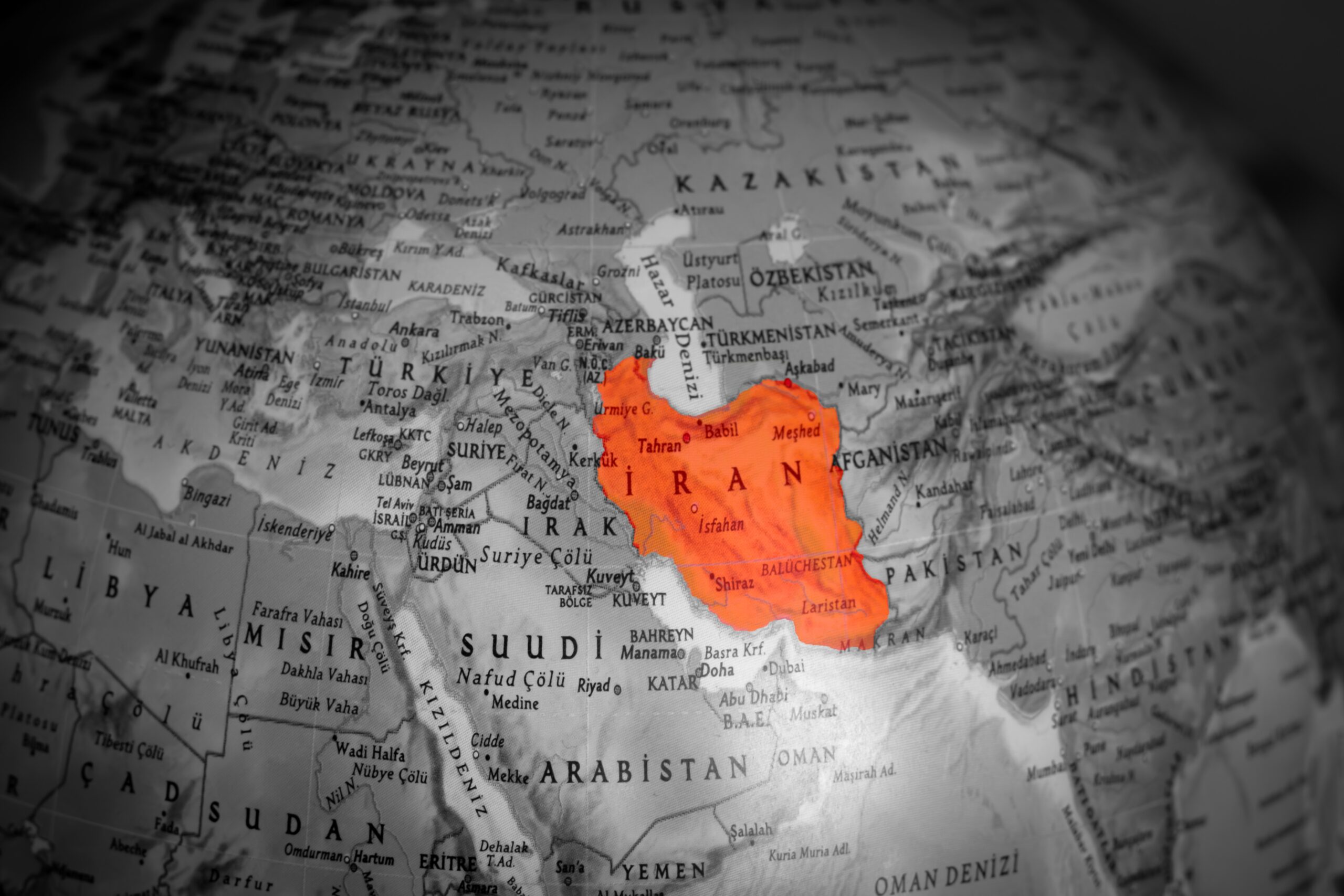
The Iran war has deepened the G7’s internal divisions. The US did not consult any of its G7 allies before launching its attack, and the G7 foreign ministers’ meeting in Paris in late March showed clear divisions – agreeing only to call for an immediate halt to attacks on civilians and the reopening of the Strait of Hormuz. Macron has been vocal, saying France “cannot approve of” strikes conducted “outside of international law”, simultaneously condemning Iranian retaliatory attacks on the Gulf states.
At the same time, the war in the Middle East has opened up fractures within the BRICS. When Iran launched missiles and drones at the United Arab Emirates, it was the first time a BRICS member fired missiles at another. The BRICS has been conspicuously absent as a collective, failing to articulate a coherent position.
However, the BRICS was never designed to be a monolithic security bloc. As with its response to the invasion of Ukraine, the group serves as a platform where emerging powers coordinate selectively to hedge against western dominance. Despite not acting collectively, individual members remain influential: China and Russia’s United Nations Security Council vetoes have constrained escalation, and India has secured safe passage for its commercial fleet through direct talks with Tehran.
This is precisely where G7-BRICS engagement becomes critical. BRICS members sit at the geopolitical heart of this conflict (Iran, China and Russia), while the military attack was launched by the G7’s most powerful member.
Macron’s framing – that global fragmentation serves no one – should be the Évian Summit’s animating logic. But a US that is actively hostile to the BRICS and willing to use its leverage within the G7 to prevent an invitation to South Africa to attend the summit, for example, is unlikely to accept a formalised dialogue channel with a bloc that it has repeatedly characterised as anti-American and considers its geopolitical rival.
Macron cannot push too hard on G7-BRICS dialogue without risking US participation at Évian.
Backchannels and pragmatism in a constrained diplomatic space
However, a path for informal engagement with the BRICS is possible. France has confirmed that India’s Modi will attend Évian. Any G7-BRICS backchannel does not need US blessing if it is framed as bilateral Macron-Modi diplomacy rather than an institutional mechanism.
The Iran war will dominate the G7 summit, but the G7 members should avoid an outcome that is reflexively anti-BRICS. Although the war is unavoidably geopolitical, a focus on the economic fallout, specifically an energy stabilisation mechanism or a framework for shipping in the Strait of Hormuz, may make the US more amenable to dialogue.
Recognising the limitations posed by the world as it is, Évian’s success in engaging with the BRICS may not be in formal communiqués, but rather in backchannels and bilateral meetings on the margins of the summit itself.
The reality is that the US-Israel war against Iran has changed the strategic landscape in which the summit will take place. It has accentuated the geopolitical tensions and brought a potential global economic crisis. The formal bridge Macron hoped to forge may have to be satisfied with something less official, yet one that keeps the channels of communication open, especially on how to achieve economic and energy stabilisation, which also touches on another of France’s priorities for the summit – reducing global imbalances that threaten the stability of the global economy.