

The current US administration has never hidden its dislike of rules and international forums, including the G7. One might even say that President Donald Trump treats US allies harsher than more distant or even hostile countries. One case is trade policy: the trade barriers inflicted upon the other G7 members have been much more distortive and aggressive than those that, for example, Russia or even China faces. These trade barriers were meant not only to protect domestic industries or to raise public revenues (which they both constantly fail to achieve), but also to force foreign governments to pursue or stop certain policies, such as taxing US tech firms in Europe.
The trade war waged by the US goes well beyond the other G7 members, targeting countries in South(east) Asia, Africa and Latin America. Within this pattern US measures have been the most impactful through trade (exports), foreign direct investment (reduced incentives to invest into Southeast Asia’s export-oriented economies) and finance (‘investment packages’ and ‘purchase’ – from the US – commitments).
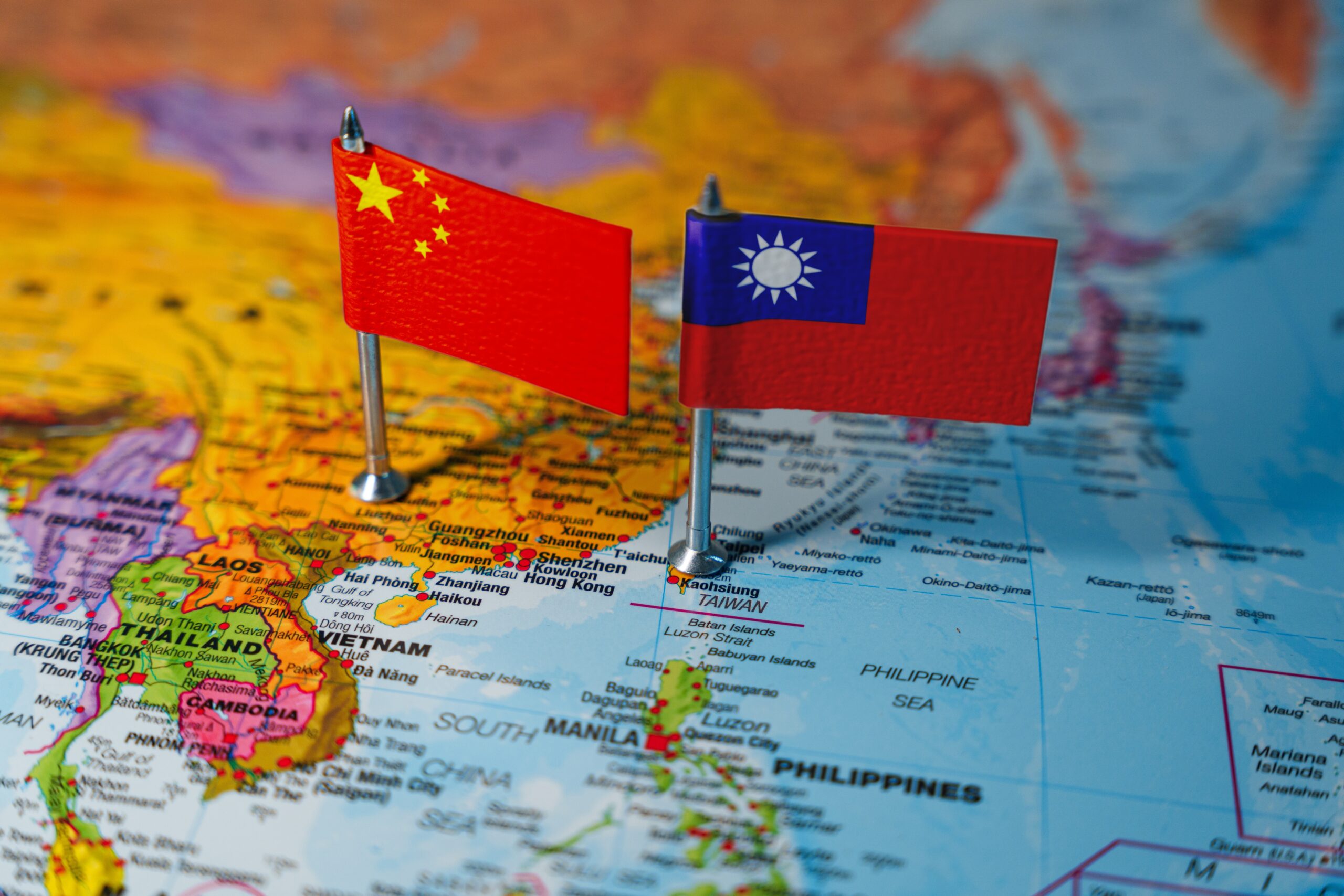
This discriminatory policy has led China to respond by targeting the US, and also the European Union and Japan. China is a relatively new entrant in the global trade arena but has learned much from the US about economic coercion and is now upping its game. China now presents itself as a multilateral champion and source of stability, whereas the US government flouts World Trade Organization rules.
The strategic dilemma for middle powers
Regardless of whether the affected countries, often so-called middle powers, are industrialised, emerging or developing, they are caught between the majors: the US and China. This bilateral interaction will increasingly force countries to pick a side.
Canadian prime minister Mark Carney has called for such middle powers to work together towards a rules-based order they could sustain. It is also necessary for these countries to diversify both sourcing and export markets across various regions and thereby try to keep markets open and undistorted as much as possible. Middle powers, including EU members, are reacting to ‘weaponised trade’ by forming coalitions of the willing in free trade agreements or other forms of cooperation.
Since April 2025 the EU has concluded three free trade agreements (with Mercosur, India and Australia). African countries are doubling down on their African continental FTA. Asian countries are intensifying their various integration efforts, notably through reviews of the Regional Comprehensive Economic Partnership and of the Comprehensive and Progressive Trans-Pacific Partnerships. The EU and members of the Association of Southeast Asian Nations are exploring closer partnerships with CPTPP members.
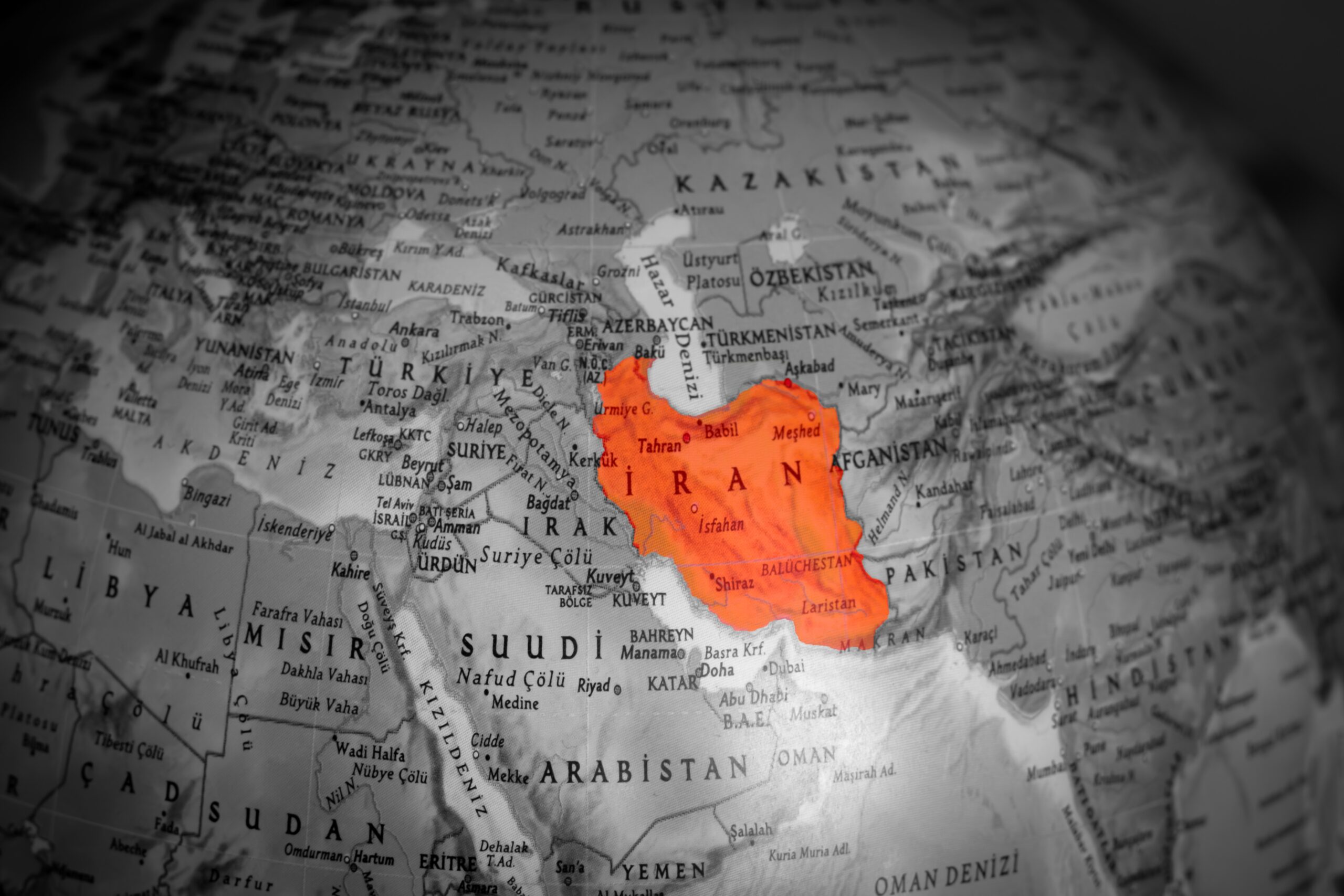
This need has become more urgent since the US and Israel attacked Iran in February 2026, immediately involving the whole Gulf region. The conflict has added new dimensions concerning energy and derivative commodities (fertiliser, helium, aluminium, naphtha and now semiconductors). Asian economies, with their pronounced dependencies on Gulf-sourced energy imports, are particularly exposed.
In the short run, the world economy is trapped in this conflict. In the long run, more trade agreements between these middle powers and among developing countries in Asia and Africa are necessary.
Coalitions of the willing: rebuilding trade through partnerships
Saying this is one thing, but the issue remains implementation. The plain fact is that the US and Chinese economies, both as export markets but also as import and capital sources, are crucial to the development trajectories of many developing countries and so very difficult to replace. That is the background against which the discussion might unfold in Évian.
One G7 member is clearly identified as the source of the problem. It is beyond doubt that US trade policy is decreasing welfare for both the US and other countries, a fact that obviously does not impress the US president who follows what Richard Baldwin calls the ‘grievance doctrine’.
The other six members and the EU need to walk a thin line. They must keep their diplomatic ties to the US president and, at the same time, show leadership in their respective regions, using the lens of mobilising (like-minded) middle powers to buttress the rules-based trading system.
There is much to be gained for the G6 by collaborating among themselves, notably through the EU-CPTPP dialogue process, and bringing ASEAN economies into the mix. Through this process, and others, they could work up ways to collectively respond to US depredations, and nudge China towards implementing meaningful reforms to its statist economy with which the US, at least would likely agree.